
Nigeria Mourns Military Plane Crash as National Security Priorities Face Scrutiny
Nigeria enters a period of national mourning following a military plane crash that claimed thirty-two lives, prompting high-level security reviews under President Bola Tinubu.
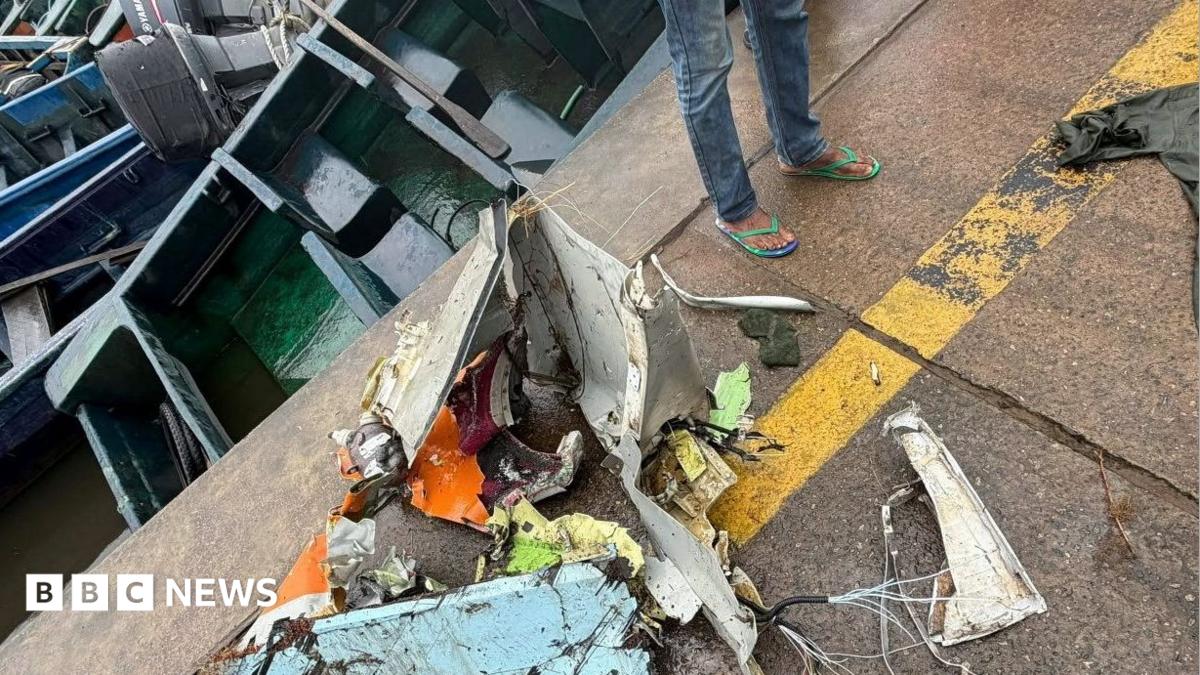
Geopolitical & Core Developments
Nigeria has been plunged into a state of deep national mourning following a devastating military plane crash that resulted in the deaths of thirty-two service personnel. The incident, which occurred during a routine transport operation, represents one of the most severe peacetime losses for the Nigerian Armed Forces in recent history. State actors and defense officials have mobilized emergency response units to secure the crash site and retrieve flight data recorders to determine the precise cause of the disaster.
President Bola Tinubu addressed the nation, describing the tragedy as a deeply painful moment for both the military establishment and the wider citizenry. The geopolitical and domestic stakes are exceptionally high, as Nigeria remains locked in complex counter-insurgency and counter-terrorism campaigns across its northern and central regions. The loss of thirty-two experienced military personnel introduces immediate operational strains on defense commands already stretched thin across multiple internal security theatres. Strategic analysts note that the incident underscores the persistent challenges facing African militaries regarding equipment aging, maintenance bottlenecks, and logistical constraints in maintaining operational readiness across vast territories.
Global Trade & Economic Ripples
While the military plane crash is fundamentally a national security and humanitarian tragedy, it carries nuanced implications for regional stability and foreign direct investment within West Africa's largest economy. Nigeria plays a pivotal role in global energy markets as a major crude oil exporter and a linchpin of economic stability within the Economic Community of West African States. Any perceived destabilization of Nigeria's internal security apparatus invariably registers on international risk assessment radars, influencing investor sentiment toward West African commodity corridors.
Global supply chain participants and commodity traders closely monitor domestic stability in Nigeria, particularly concerning infrastructure security in oil-producing regions and transport routes. While direct impacts on immediate crude oil production and shipping lanes remain contained, heightened focus on domestic governance, defense expenditures, and budgetary allocations for military modernization could shift fiscal priorities. International defense contractors, aerospace maintenance providers, and logistics firms are also evaluating how this incident might accelerate procurement reviews or fleet upgrades within the Nigerian military supply chain.
Related Intelligence: Security Forces Neutralize Five India-Backed Militants in North Waziristan
International Reactions & Diplomatic Stances
Global leaders and multilateral organizations swiftly extended their condolences to the Nigerian government and the families of the fallen soldiers. Representatives from the African Union, the United Nations, and key diplomatic missions in Abuja issued statements expressing solidarity with Nigeria during this period of profound grief. Bilateral partners, including traditional defense allies such as the United States, the United Kingdom, and various European Union member states, offered technical assistance for the ongoing investigation into the crash mechanics.
Market analysts and international geopolitical risk firms have emphasized that foreign diplomatic engagement with Nigeria will likely pivot toward enhanced defense cooperation and technical support. Discussions in diplomatic circles are expected to center on improving military aviation safety standards, sharing intelligence, and providing advanced maintenance training to prevent future operational accidents within regional security forces.
Strategic Outlook & Future Scenarios
Looking ahead, the trajectory of Nigeria's defense strategy will heavily depend on the findings of the official board of inquiry established to investigate the crash. The incident is anticipated to serve as a catalyst for a comprehensive overhaul of defense procurement policies, maintenance protocols, and safety standards within the Nigerian Air Force. President Tinubu's administration faces the dual imperative of honoring the fallen personnel while reassuring international partners and domestic stakeholders of the armed forces' enduring operational capability.
Upcoming regional security summits and defense ministerial meetings will likely feature renewed discussions on fleet modernization, regional security cooperation, and the urgent need for enhanced logistical resilience across African peacekeeping and counter-terrorism operations. As Nigeria navigates this critical juncture, the country's strategic resolve will be tested, shaping the broader security architecture of the West African subregion for years to come.
Join Our Official WhatsApp Channel
Receive live commodity alerts, policy changes, and commercial intelligence directly on WhatsApp.