
New York Declares Measles Disaster Amid Rising Public Health Threats
New York state declared a measles disaster in response to growing infection clusters, threatening domestic public health stability and highlighting wider immunization vulnerabilities.
Geopolitical & Core Developments
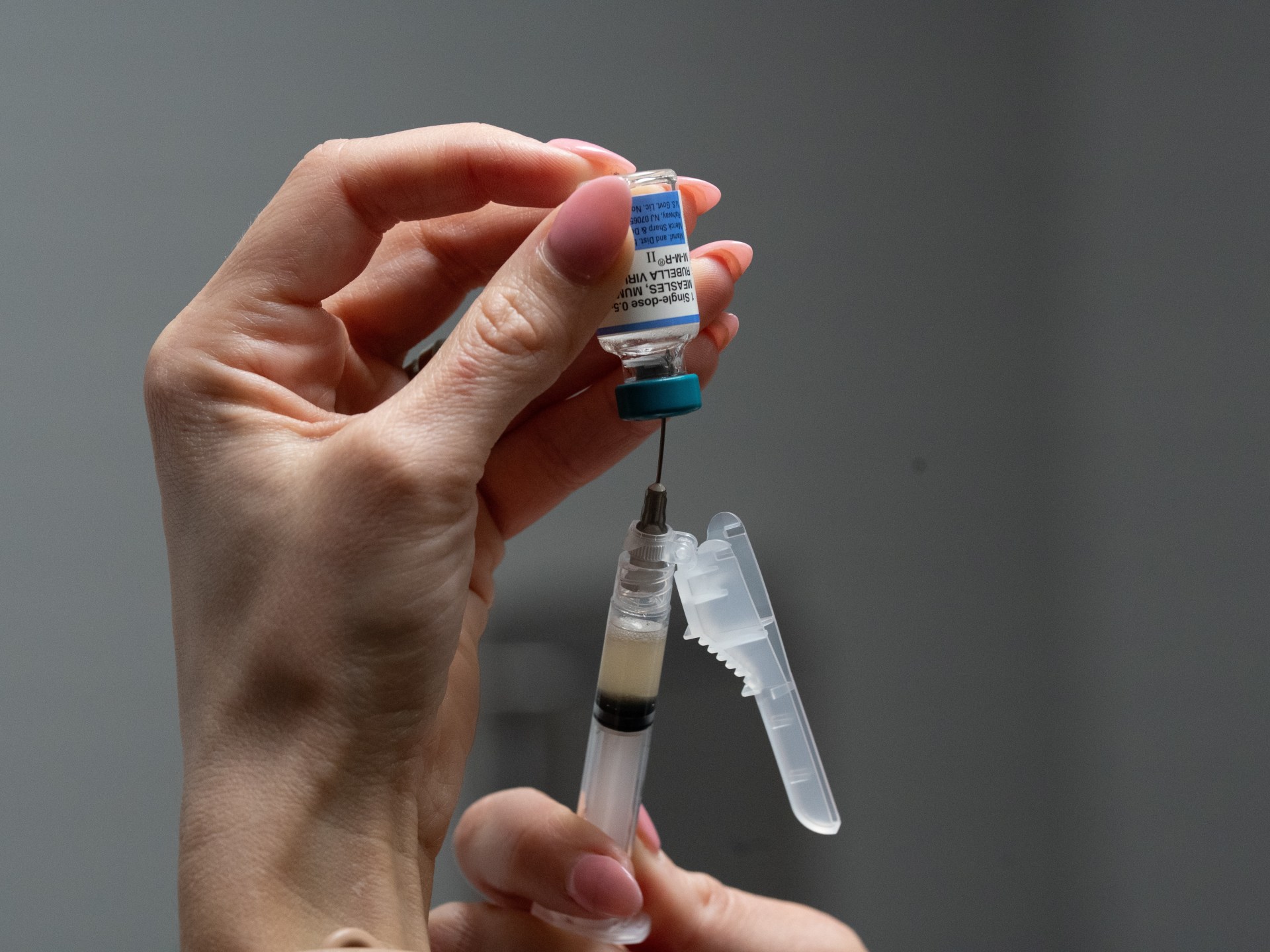
New York state authorities have officially declared a measles disaster following a worrying resurgence of the highly contagious virus within domestic borders. The United States had historically achieved the elimination of measles by the year 2000, a landmark public health triumph anchored by robust, widespread childhood vaccination programs. However, declining immunization rates over recent years, exacerbated by misinformation, pandemic-related disruptions in healthcare access, and shifting public sentiment regarding routine inoculations, have created vulnerable pockets within local populations. State health officials and emergency management agencies are currently deploying containment strategies, including targeted vaccination mandates, emergency resource allocation, and rigorous contact tracing to arrest transmission vectors. The resurgence underscores the fragility of domestic health security infrastructure, forcing state and federal authorities to re-evaluate enforcement mechanisms for school and community vaccination requirements.
[Global Trade](/news/black-sea-grain-strike-escalates-maritime-risks-global-trade) & Economic Ripples
While public health emergencies are primarily humanitarian concerns, widespread outbreaks of vaccine-preventable diseases carry tangible macroeconomic consequences. Workforce absenteeism resulting from illness or mandated quarantines can temporarily disrupt regional productivity, supply chain logistics, and local commercial activity. Furthermore, heightened public health expenditures strain municipal and state budgets, diverting capital from critical infrastructure projects and technological investments. In sectors heavily reliant on continuous labor output, such as manufacturing, logistics, and retail, localized health crises introduce operational friction and increase labor management costs. Multinational corporations operating within affected regions must also account for employee health risks, potentially incurring higher health insurance premiums and implementing stringent workplace safety protocols to insulate operations from biological disruptions.
Related Intelligence: West Bank Escalation Threatens Wider Middle East Stability and Trade
International Reactions & Diplomatic Stances
Global health bodies, including the World Health Organization (WHO) and the Pan American Health Organization (PAHO), have monitored the United States' domestic measles outbreaks with growing apprehension. International health authorities have repeatedly warned that declining vaccination coverage in developed nations emboldens global anti-vaccine movements and threatens global health security frameworks. Foreign governments have noted the domestic policy challenges faced by US officials, with several European and Asian nations reviewing their own inbound traveler screening protocols and reinforcing domestic vaccination campaigns to prevent imported transmission. Trade partners and multilateral economic forums emphasize that robust public health is a foundational pillar of sustainable economic growth, urging aggressive governmental intervention to restore herd immunity thresholds.
Strategic Outlook & Future Scenarios
As New York and other affected jurisdictions navigate the immediate crisis, the long-term trajectory depends heavily on legislative resolve and public outreach efficacy. Policymakers face difficult choices regarding the tightening of religious and philosophical vaccine exemptions, measures that are likely to provoke intense legal and political pushback. Upcoming legislative sessions and health summits will likely focus on modernizing immunization registries, combating digital health misinformation, and securing supply chains for MMR vaccines. Failure to re-establish high vaccination coverage risks transforming a localized disaster into a chronic systemic vulnerability, threatening both domestic stability and international confidence in the United States' public health infrastructure.
Join Our Official WhatsApp Channel
Receive live commodity alerts, policy changes, and commercial intelligence directly on WhatsApp.