
Military Might Fails to Deliver Strategic Resolution in Gaza Conflict
Israel's extensive military campaign in Gaza has fallen short of achieving its primary political objectives, raising concerns across international markets and diplomatic channels about prolonged regional instability.
Geopolitical & Core Developments
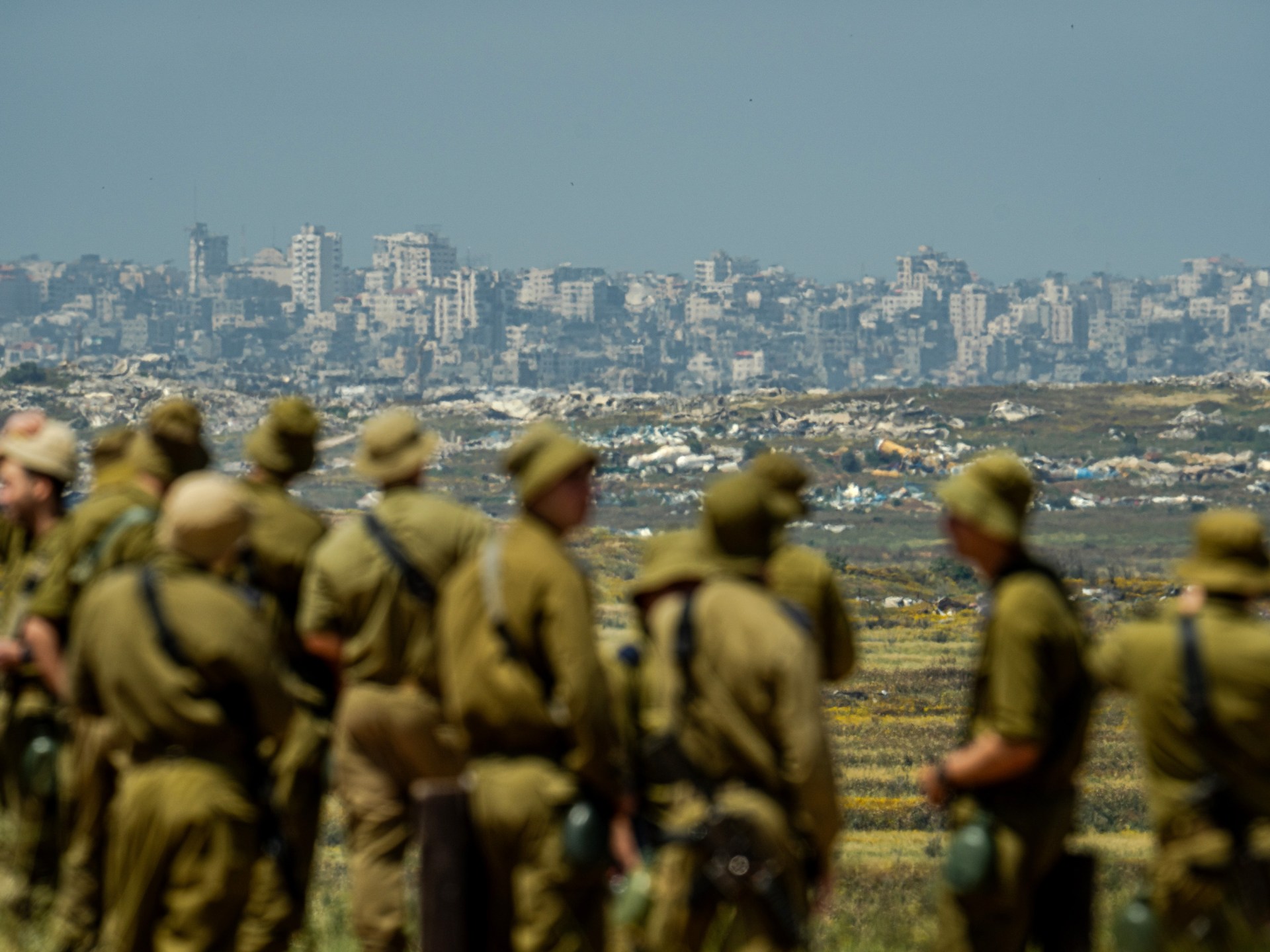
The protracted military campaign in Gaza has highlighted a profound disconnect between tactical military dominance and long-term strategic outcomes. Despite overwhelming force and significant territorial incursions, state actors and military analysts note that Israel has not secured the foundational political goals set out at the onset of hostilities. The asymmetry of the conflict has resulted in devastating humanitarian consequences while failing to dismantle the underlying political and security challenges facing the state. Diplomatic initiatives led by regional mediators have repeatedly stalled, caught between intransigent political positions in Jerusalem and the persistent resilience of militant leadership. As the conflict grinds on, the absence of a viable governance framework for a post-conflict Gaza deepens the strategic vacuum, leaving international observers questioning the ultimate efficacy of conventional military solutions in asymmetric modern warfare.
Global Trade & Economic Ripples
The persistent friction in the Middle East continues to cast a long shadow over global supply chains, international shipping, and commodity pricing. Disruptions across vital maritime chokepoints, particularly in the Red Sea and surrounding waterways, have forced international shipping lines to reroute vessels around the Cape of Good Hope. This mandatory detour has significantly inflated transit times and pushed maritime freight rates higher, injecting persistent inflationary pressures into global trade networks. Energy markets remain acutely sensitive to any potential escalation that could threaten regional hydrocarbon production or transit corridors. While immediate supply shocks have been partially mitigated by sluggish global demand and alternative production quotas, crude oil and liquefied natural gas markets continue to price in a permanent risk premium. Furthermore, currency valuations in emerging markets tied to energy imports are experiencing heightened volatility, complicating monetary policy for central banks worldwide.
Related Intelligence: Hijacked Tanker Crew Members Return to Karachi Amid Supply Chain Concerns
International Reactions & Diplomatic Stances
The international community remains deeply fractured over the trajectory of the conflict. The United Nations Security Council has faced repeated gridlock, hampered by competing vetoes and shifting diplomatic alliances among permanent members. Western capitals have struggled to balance traditional security alliances with mounting domestic and international pressure over humanitarian law violations and civilian casualties. Meanwhile, nations across the Global South have seized upon the impasse to critique perceived double standards in international diplomacy, accelerating a broader realignment in multilateral forums. Economic analysts and risk advisory bodies have updated their geopolitical risk matrices, warning corporate clients that baseline assumptions of regional stability can no longer be relied upon. Multilateral financial institutions are closely monitoring sovereign debt profiles in neighboring states, such as Egypt and Jordan, which are bearing the severe economic brunt of reduced tourism, trade disruptions, and refugee management costs.
Strategic Outlook & Future Scenarios
Looking ahead, the trajectory of the conflict points toward a protracted state of low-intensity insurgency and perpetual regional friction rather than a decisive political resolution. Upcoming international summits and diplomatic conferences will likely focus on emergency humanitarian aid delivery and tentative ceasefire frameworks, yet substantive pathways to a durable two-state solution or a credible regional security architecture remain absent. The primary escalation points to watch include potential northern border expansions involving external state actors, further retaliatory strikes across regional proxy networks, and tightening Western sanctions targeting illicit financial flows supporting militant operations. For multinational corporations and global commodity traders, the operative strategy must be risk diversification, enhanced supply chain resilience, and continuous monitoring of geopolitical flashpoints that threaten international commercial stability.
Join Our Official WhatsApp Channel
Receive live commodity alerts, policy changes, and commercial intelligence directly on WhatsApp.