
Israel Faces Internal Reckoning as Netanyahu Rejects Inquiry into October 7 Failures
Three years after the October 7 attacks, Israeli citizens demand accountability as Prime Minister Benjamin Netanyahu resists calls for a formal state inquiry and evades personal responsibility.
Geopolitical & Core Developments
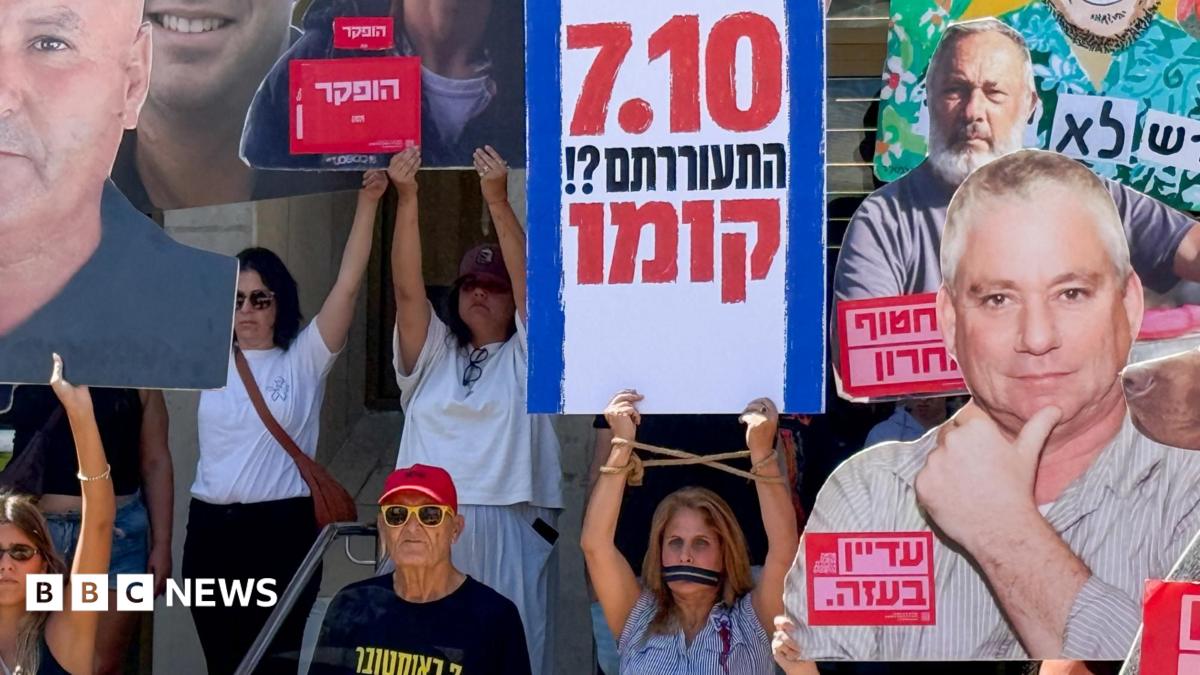
Three years after the unprecedented security failures of October 7, Israel remains politically fractured as citizens and opposition leaders intensify demands for high-level accountability. Prime Minister Benjamin Netanyahu has steadfastly refused to take personal responsibility for the intelligence and operational lapses that enabled the assault, while simultaneously resisting mounting domestic and international pressure to establish an independent state commission of inquiry. The anniversary has reignited fierce public debate within Israeli society, where families of victims and hostages argue that systemic governmental failure demands a transparent accounting at the highest levels of leadership.
Domestically, the refusal to initiate a formal state inquiry has deepened polarization between the ruling coalition and an increasingly vocal public. Protesters have massed in major urban centers, contending that accountability is a prerequisite for national healing and structural defense reform. Meanwhile, the military and intelligence establishments continue internal reviews, but public trust in executive leadership remains severely eroded. This domestic paralysis occurs against the backdrop of a multi-front regional conflict involving ongoing hostilities in Gaza, clashes along the northern border with Lebanon, and strategic tensions with Iran, creating a complex web of overlapping crises that strain Israel's governance apparatus to its limits.
Global Trade & Economic Ripples
The protracted political instability and security uncertainty in Israel carry significant implications for broader Middle Eastern commerce and international market sentiment. While Israel's advanced technology and defense sectors have demonstrated resilience, prolonged domestic unrest and the ongoing state of war impose substantial fiscal burdens on the national economy, leading to defense budget expansions, credit rating downgrades, and capital allocation shifts.
On a regional scale, the persistent geopolitical friction continues to disrupt critical trade corridors and maritime routes across the Levant and the Red Sea basin. Shipping lines navigating through the broader Middle Eastern theater face elevated operational risks, higher insurance premiums, and diverted routes, which collectively exert upward pressure on global energy logistics and supply chain costs. International commodity markets, particularly petroleum and natural gas benchmarks, remain acutely sensitive to any escalation involving major regional producers, rendering Middle Eastern stability a vital variable for global macroeconomic equilibrium and inflation control.
Related Intelligence: Tennessee Execution Failure Triggers Global Legal and Human Rights Scrutiny
International Reactions & Diplomatic Stances
International bodies and foreign governments have monitored the internal political dynamics in Israel with growing concern. Western allies have repeatedly emphasized the importance of democratic resilience, institutional transparency, and adherence to the rule of law, subtly signaling that a comprehensive, independent inquiry into the October 7 intelligence failures is essential for long-term security. Human rights organizations and multilateral agencies have also reiterated calls for accountability regarding military conduct and humanitarian protocols, placing additional diplomatic pressure on the Israeli administration.
Market analysts and geopolitical risk consultancies note that foreign direct investment into Israel and its neighboring trade partners is increasingly being calibrated against the timeline of domestic political resolution. International creditors and sovereign debt rating agencies are closely watching how the Netanyahu government manages internal dissent and addresses structural governance deficits, warning that prolonged uncertainty could deter long-term foreign capital inflows and stall regional economic integration projects.
Strategic Outlook & Future Scenarios
Looking ahead, the trajectory of Israeli domestic politics will likely hinge on the longevity of the current ruling coalition and the mounting pressure from street protests and opposition parties. Should public agitation force the establishment of a state inquiry, the ensuing findings could precipitate major political realignments, potentially triggering early elections or shifting the nation's strategic posture regarding regional diplomacy and defense policy.
Globally, diplomats are preparing for upcoming international summits where the Middle East crisis will dominate agendas. The potential for further escalation involving regional proxies remains a primary risk factor for international security. Sanctions enforcement, diplomatic deterrence efforts, and multilateral mediation attempts will dictate whether the region descends into deeper confrontation or gradually pivots toward a fragile diplomatic stabilization framework.
Join Our Official WhatsApp Channel
Receive live commodity alerts, policy changes, and commercial intelligence directly on WhatsApp.