
Mass Protests Erupt Across Brazil as Political Dynasties Clash
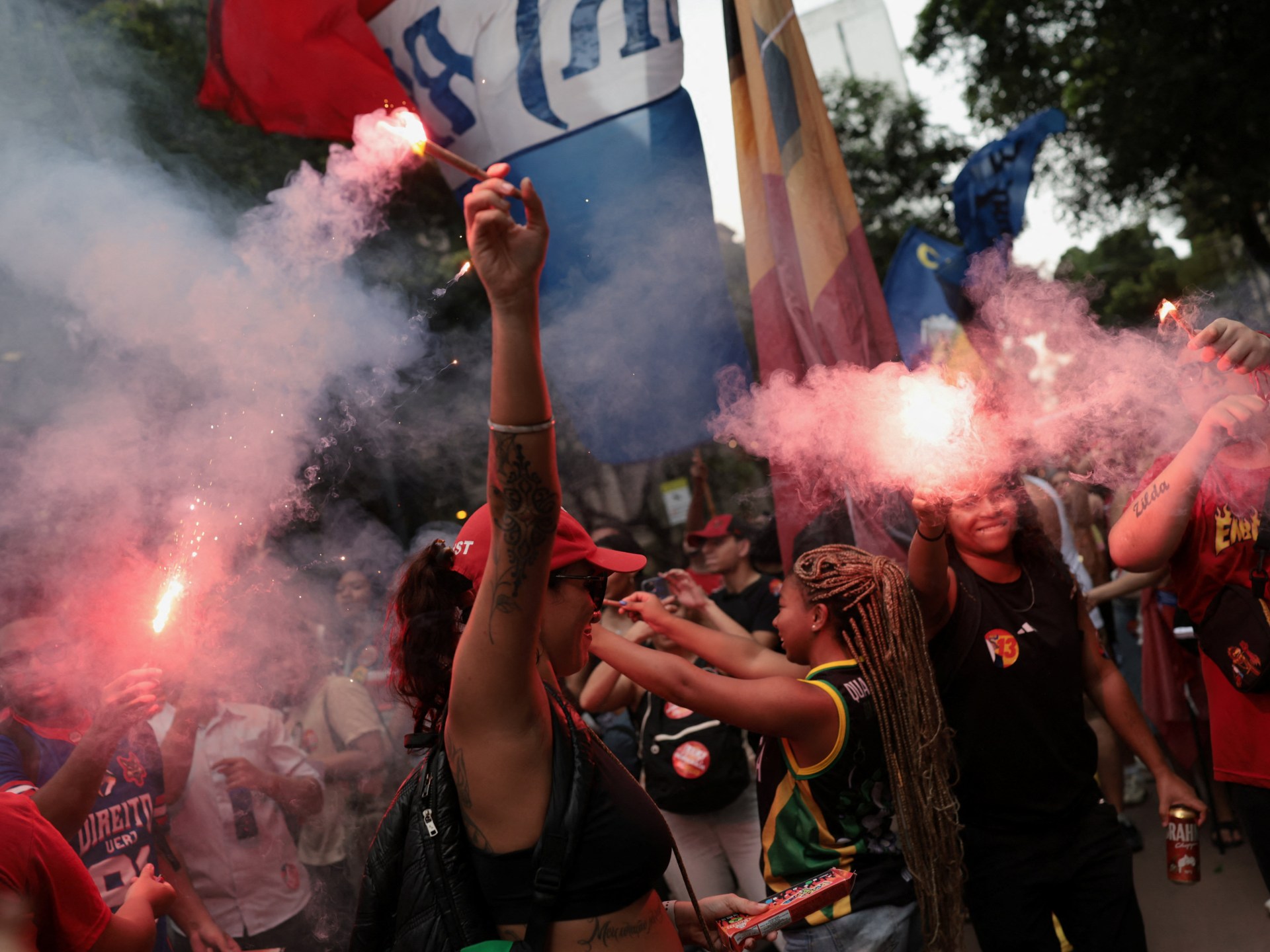
Thousands of demonstrators marched in Rio de Janeiro against Flavio Bolsonaro following his advancement to Brazil's presidential run-off, sparking fresh economic and political uncertainty across Latin America.
Geopolitical & Core Developments
Tens of thousands of demonstrators converged on the streets of Rio de Janeiro, chanting slogans rejecting the political legacy of the Bolsonaro family as the nation braces for a high-stakes presidential run-off. The mobilization, spearheaded by student unions, labor organizations, and civil society groups, directly targets Flavio Bolsonaro following his successful advancement in the preliminary electoral rounds. Chants of 'no to the father, no to the son' reverberated through the metropolitan center, underscoring deep societal fractures regarding authoritarian nostalgia and democratic institution-building in Latin America's largest republic. This resurgence of mass street protests signals a turbulent electoral cycle, where ideological polarization threatens to overshadow traditional policy debates and institutional stability.
The political landscape in Brazil remains profoundly fractured, pitting conservative populist factions against a coalition of centrist and leftist reformists. State actors and international observers are monitoring the mobilization closely, as the country serves as a vital democratic anchor within the Southern Cone. The trajectory of the campaign directly influences legislative alignment, judicial independence, and the enforcement of environmental and economic frameworks that have historically governed the region. As the runoff approaches, political maneuvering intensifies, raising the stakes for domestic governance and regional diplomacy alike.
Global Trade & Economic Ripples
Brazil's position as an agricultural and energy powerhouse means that domestic political instability carries immediate ramifications for global commodity markets. Investors and multinational corporations are re-evaluating exposure to Brazilian sovereign debt, currency stability, and equity markets as the electoral contest narrows. The Brazilian Real has experienced heightened volatility, reflecting foreign exchange market anxiety over potential shifts in fiscal discipline, privatization agendas, and state intervention in key sectors such as energy and mining.
International trade networks, particularly concerning agricultural exports like soybeans, iron ore, and crude oil, remain sensitive to executive leadership transitions. Any prospective shift in trade policy, environmental compliance standards, or infrastructure investment could disrupt established supply chains linking South American producers to Asian and European markets. Commodity traders are pricing in potential regulatory shifts, particularly regarding deforestation penalties and carbon credit mechanisms, which could alter production costs and export volumes over the medium term.
Related Intelligence: FCC Warning Highlights AI Robocall Risks for Global Markets
International Reactions & Diplomatic Stances
Regional neighbors and multilateral institutions have expressed cautious interest in the unfolding electoral dynamics in Brasilia. While official diplomatic channels emphasize respect for Brazilian democratic processes, international financial institutions have issued advisory notes highlighting the necessity of fiscal prudence and regulatory transparency regardless of the electoral outcome. Market analysts from major global investment banks point out that foreign direct investment inflows depend heavily on policy continuity and the independence of central banking and regulatory bodies.
Global trade partners, particularly within the Mercosur bloc and the European Union, are evaluating the potential impact of the election on ongoing trade negotiations and environmental protocols. Diplomatic missions in Brasilia have ramped up monitoring efforts, assessing risks to foreign personnel and corporate assets amid the escalating street-level demonstrations and counter-protests.
Strategic Outlook & Future Scenarios
Looking ahead, the run-off election represents a critical juncture for Brazil's geopolitical alignment and domestic economic trajectory. Two primary scenarios emerge for international stakeholders: either a continuation of market-friendly reforms coupled with populist rhetoric, or a pivot toward state-led economic nationalism accompanied by expanded social spending. Both outcomes carry distinct implications for foreign investors, sovereign credit ratings, and international commodity pricing.
Upcoming ministerial appointments and legislative alignments following the vote will serve as immediate indicators of the incoming administration's policy priorities. As global supply chains navigate ongoing macroeconomic pressures, stability in Brazil remains indispensable for regional economic integration and international commodity security.
Join Our Official WhatsApp Channel
Receive live commodity alerts, policy changes, and commercial intelligence directly on WhatsApp.