
Lt Gen Nauman Mahmood Appointed First Secretary General of Makkah Defence Alliance
Retired Lieutenant General Nauman Mahmood has assumed office as the inaugural secretary general of the tripartite Makkah Defence Alliance, tasked with shaping its formative institutional architecture from Riyadh.
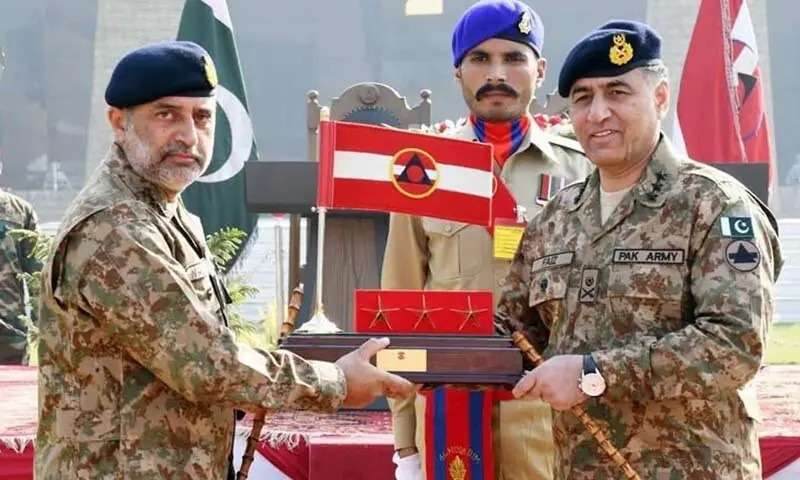
The Core Development
Retired Lieutenant General Nauman Mahmood has officially assumed office as the inaugural secretary general of the tripartite Makkah Defence Alliance, marking a significant milestone in regional strategic cooperation. The appointment follows a decisive consensus reached last month among the three participating member states, which stipulated that a high-ranking Pakistani nominee would helm the alliance secretariat during its critical formative years.
Lt Gen Mahmood brings to Riyadh an extensive, decades-long career within the Pakistan Army, encompassing critical operational domains such as field command, high-level intelligence assessment, strategic policy analysis, and professional military education. His immediate mandate in the Saudi capital involves establishing the foundational institutional machinery, drafting operational frameworks, and coordinating strategic doctrine for an alliance that remains in its infancy. As the inaugural secretary general, his tenure will serve as a defining period for setting structural precedents, operational transparency, and collaborative protocols among member nations.
Commercial & Economic Implications
While conceived primarily as a strategic and security pact, the Makkah Defence Alliance carries profound commercial and economic implications for Pakistan and the broader region. Enhanced bilateral and multilateral security frameworks directly bolster investor confidence by mitigating geopolitical risks across key trade corridors. For Pakistan, deeper institutional integration with Gulf economies helps stabilize foreign direct investment inflows and secures long-term financial partnerships.
Furthermore, streamlined regional security architecture safeguards critical supply chains, maritime trade routes, and energy corridors connecting South Asia with the Middle East. Stable energy pricing and predictable logistics networks are vital for Pakistan's domestic manufacturing, wholesale distribution, and retail trade sectors, offering indirect relief against inflationary pressures driven by external supply shocks. By cementing strong defense-industrial ties, Pakistan positions itself for potential joint ventures in defense production, technology transfer, and aerospace engineering, generating high-value employment and export revenues.
Related Intelligence: Retired General Nauman Mahmood Appointed Head of Makkah Defence Alliance
Stakeholder Perspectives & Market Reactions
Financial analysts, trade bodies, and policy experts in Pakistan have welcomed the appointment, viewing it as a testament to the country's enduring professional military competence and diplomatic stature. Industry associations note that robust geopolitical alignments often lay the groundwork for expanded economic diplomacy, paving the way for preferential trade agreements and enhanced market access in Gulf Cooperation Council economies.
Legal and strategic scholars emphasize that Lt Gen Mahmood's background in strategic analysis uniquely equips him to navigate complex multilateral treaties and sovereign compliance frameworks. Official statements from Islamabad underline the state's commitment to regional stability and mutual defense, reassuring domestic markets that foreign policy initiatives remain anchored in economic pragmatism and national security.
Forward Outlook & Key Watchpoints
Over the coming months, market watchers and policy analysts will closely monitor the operationalization of the Makkah Defence Alliance secretariat in Riyadh. Key milestones to watch include the finalization of the alliance charter, the establishment of joint command-and-control protocols, and the announcement of cooperative defense-industrial initiatives.
For Pakistan, the success of Lt Gen Mahmood's tenure will be measured by his ability to institutionalize transparent governance structures and translate strategic goodwill into tangible economic and security dividends. Policy enforcement mechanisms, budgetary allocations for joint initiatives, and subsequent high-level diplomatic engagements will serve as primary indicators of the alliance's long-term trajectory and regional efficacy.
Join Our Official WhatsApp Channel
Receive live commodity alerts, policy changes, and commercial intelligence directly on WhatsApp.