
ECP Proposes December 14 for Punjab Local Government Elections
The Election Commission of Pakistan has proposed December 14 for Punjab local government polls, sending a draft schedule to the chief secretary for urgent administrative consultation.
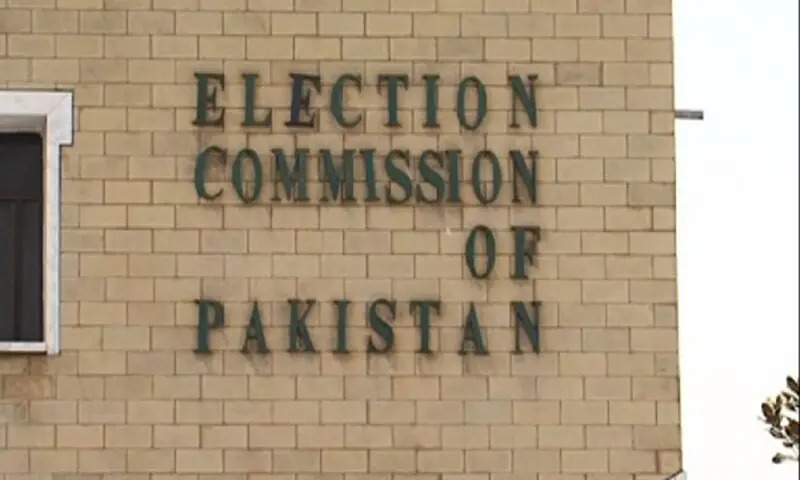
The Core Development
The Election Commission of Pakistan (ECP) has formally proposed holding long-delayed local government elections across Punjab on December 14, marking a crucial step toward restoring grassroots democratic representation in the country's most populous province. In an official communication reviewed by media outlets, Chaudhry Nadeem Qasim, additional director general for local government elections, forwarded a comprehensive draft schedule to the Punjab chief secretary on behalf of the electoral watchdog.
The commission has explicitly sought the provincial government's administrative input and formal opinion regarding the suggested timelines. This consultation enables the ECP to finalize and officially notify the election schedule pursuant to statutory requirements. According to the draft framework, the candidate nomination process is slated to run from October 27 to October 30. Following submissions, mandatory scrutiny of nomination papers will take place between November 2 and November 5.
The electoral roadmap outlines subsequent phases for dispute resolution and candidate adjustments. Appeals concerning the acceptance or rejection of nomination papers can be filed from November 7 to November 11. Designated appellate tribunals are mandated to adjudicate and decide these appeals between November 12 and November 16, ensuring adequate legal recourse before the final candidate lists are published.
Commercial & Economic Implications
At Kalyar Traders, our financial analysis underscores that grassroots political stability and functional municipal governance directly influence commercial activity, wholesale distribution networks, and urban retail supply chains. Prolonged delays in local government elections often result in administrative paralysis at the municipal level, leading to deferred infrastructure spending, irregular waste management, and uncoordinated commercial zoning.
Reviving local government structures is anticipated to streamline local taxation, municipal licensing, and market regulation, which are critical for small and medium enterprises (SMEs) operating across Punjab's major commercial hubs. Predictable local administration minimizes bureaucratic bottlenecks that inflate operational costs for traders and wholesalers. Furthermore, competitive local campaigning historically drives short-term liquidity in localized service sectors, printing, advertising, and hospitality industries, injecting vital capital into regional markets ahead of the winter commercial season.
Related Intelligence: Ethiopian Conflict Escalation Threatens Horn of Africa Stability and Regional Trade
Stakeholder Perspectives & Market Reactions
Business councils, trade associations, and legal experts have closely monitored the ECP's proactive stance. Representatives from major mercantile bodies across Lahore, Faisalabad, and Rawalpindi have consistently argued that empowered local representatives are essential for resolving localized market grievances, traffic congestion, and sanitation issues that directly impede retail turnover.
Legal analysts note that while the provincial administration and the ECP must coordinate closely on security logistics and administrative financing, protracted legal or bureaucratic delays could face judicial scrutiny from higher courts. Public response remains cautiously optimistic, with citizens and commercial stakeholders emphasizing the urgent need for accountable municipal authorities to manage civic amenities and public infrastructure effectively.
Forward Outlook & Key Watchpoints
As the ECP awaits formal feedback from the Punjab chief secretary, market observers and political analysts will monitor several critical milestones. The immediate watchpoint is the official response of the Punjab government regarding logistical preparedness, security deployment, and budgetary allocations required to execute a province-wide ballot.
Should the provisional timeline hold, the formal notification of the election schedule is expected by late October, triggering the nationwide code of conduct and campaign finance monitoring. Stakeholders must prepare for potential adjustments contingent upon administrative realities, judicial interventions, or evolving security assessments across sensitive districts in Punjab.
Join Our Official WhatsApp Channel
Receive live commodity alerts, policy changes, and commercial intelligence directly on WhatsApp.