
Kenya Confirms Second Ebola Case Stoking Regional Cross-Border Transmission Fears
Kenya has reported a second confirmed case of Ebola, escalating concerns regarding cross-border viral transmission and threatening trade logistics across the East African Community.
Geopolitical & Core Developments
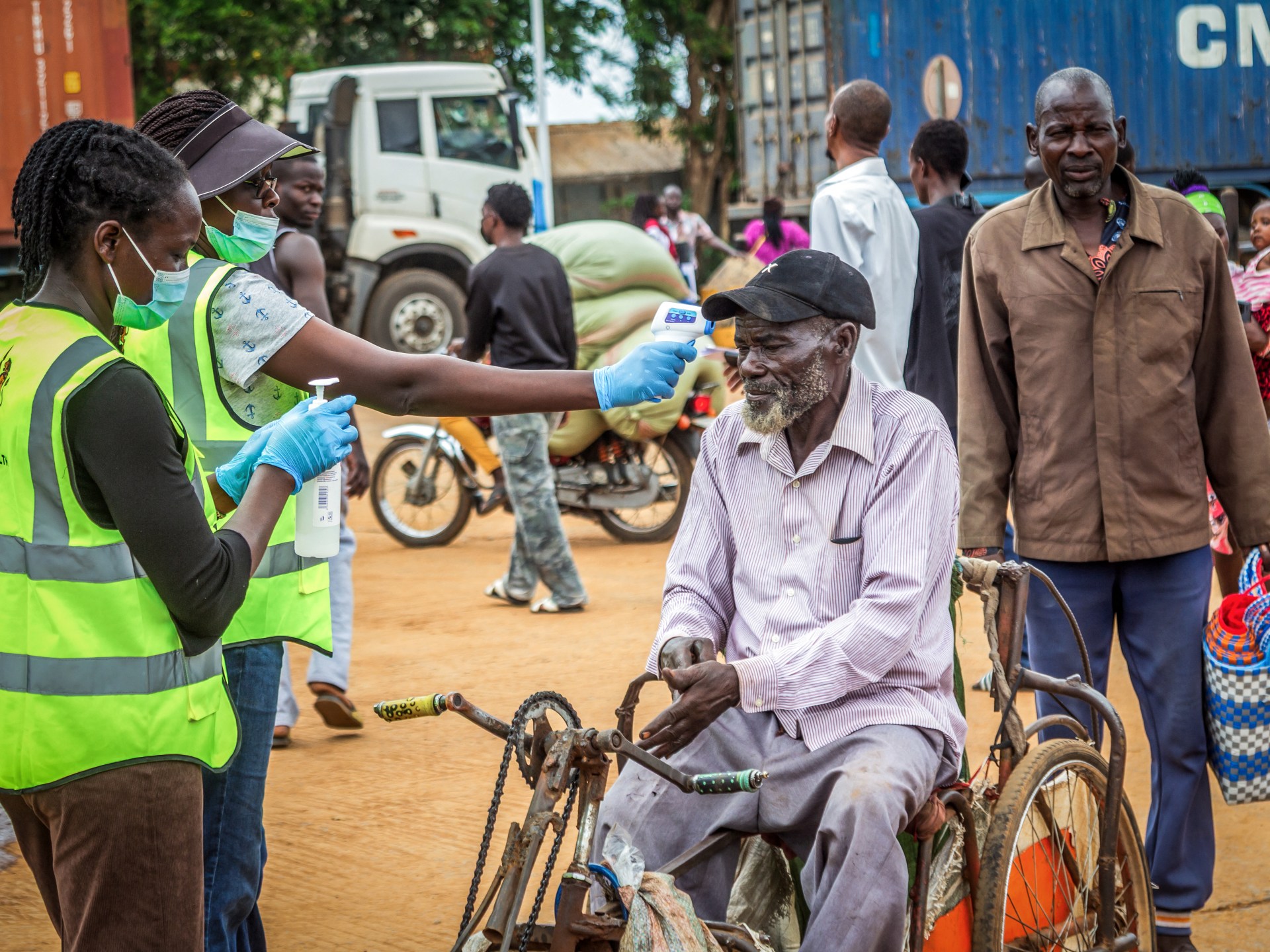
Kenya's Ministry of Health has officially confirmed a second case of the Ebola virus, sparking intensified public health protocols and renewed concern over regional containment capabilities. The patient, a 39-year-old male relative of the first registered case, tested positive following contact-tracing operations initiated in the wake of the initial outbreak confirmation. Public health authorities, backed by rapid-response teams, have deployed to key surveillance zones to trace potential secondary contacts and contain potential localized community clusters before broader transmission takes hold.
The development marks an inflection point for East African biosecurity. Kenya serves as the central transport and logistics nexus for the broader East African Community (EAC), linking landlocked neighbors including Uganda, Rwanda, South Sudan, and eastern regions of the Democratic Republic of the Congo. Past outbreaks across the Great Lakes region have demonstrated that mobility across fluid borders represents the primary vector for transmission. The confirmation of a secondary intra-familial case raises critical questions regarding the timeline of primary exposure and whether silent transmission chains may have evaded preliminary border screening points.
[Global Trade](/news/yemen-war-scenarios-houthi-red-sea-trade-impact) & Economic Ripples
While the direct human toll remains concentrated, the commercial ramifications of an Ebola cluster in Kenya are immediate and consequential. As home to the Port of Mombasa and Jomo Kenyatta International Airport, Kenya handles vast volumes of international cargo and air transit. Any unilateral imposition of enhanced cross-border movement restrictions, mandatory quarantine protocols, or transportation slowdowns risks constricting the Northern Corridor logistics route, disrupting transit freight moving into landlocked East African markets.
Agricultural commodity markets are monitoring developments with caution. Kenya is among the world's leading exporters of black tea, fresh cut flowers, and horticultural produce destined for European and Middle Eastern markets. Air-freight capacity and port efficiencies are essential to these perishable value chains. While cargo trade faces no formal embargoes, heightened biosecurity checks, crew screening measures, and potential localized labor quarantines could introduce supply friction, increase shipping insurance premia, and exert downward pressure on the Kenyan shilling against major trading currencies.
Related Intelligence: Pakistan and Oman Deepen Strategic Ties Amid Rising Middle East Tensions
International Reactions & Diplomatic Stances
The World Health Organization (WHO) and the Africa Centres for Disease Control and Prevention (Africa CDC) have acknowledged the confirmation, dispatching epidemiological support and genomic sequencing resources to determine the precise strain and origin of the infection. Multilateral agencies have urged regional cooperation, emphasizing that blanket border closures frequently generate unintended economic devastation without significantly improving public health outcomes compared to targeted screening.
Neighboring governments across the EAC have initiated heightened border alerts, tightening monitoring protocols along shared frontier crossings. Diplomats from regional partners have called for harmonized data-sharing mechanisms to prevent disjointed border policies that could paralyze interstate commerce. Western trade partners and bilateral health agencies have reaffirmed technical support, prioritizing personal protective equipment allocations and ring-vaccination readiness should further community-level transmission be verified.
Strategic Outlook & Future Scenarios
The trajectory of the situation depends heavily on the efficacy of contact tracing and clinical isolation during the critical 21-day incubation window following this second confirmed case. Should transmission remain contained within immediate domestic contacts, regional trade corridors will likely maintain regular operational throughput with nominal delay adjustments. Health authorities will prioritize decentralized isolation facilities and public awareness campaigns to prevent panic.
Conversely, the detection of unlinked community cases or urban transmission in major commercial centers such as Nairobi or Mombasa would trigger severe economic containment measures. Such a scenario would prompt commercial flight curtailments, maritime freight slowdowns, and aggressive trade restrictions from international counterparts. In the coming weeks, the primary indicators for global observers will be genomic sequencing results confirming the transmission vector and the velocity of secondary contact tracking across Kenya's transit hubs.
Join Our Official WhatsApp Channel
Receive live commodity alerts, policy changes, and commercial intelligence directly on WhatsApp.