
Jamaat-e-Islami Unveils Escalated Fuel Levy Protest Strategy Post-October 7
Jamaat-e-Islami is set to intensify its nationwide protests against heavy petroleum levies and inflated utility bills following October 7, posing fresh challenges for economic policymakers.
The Core Development
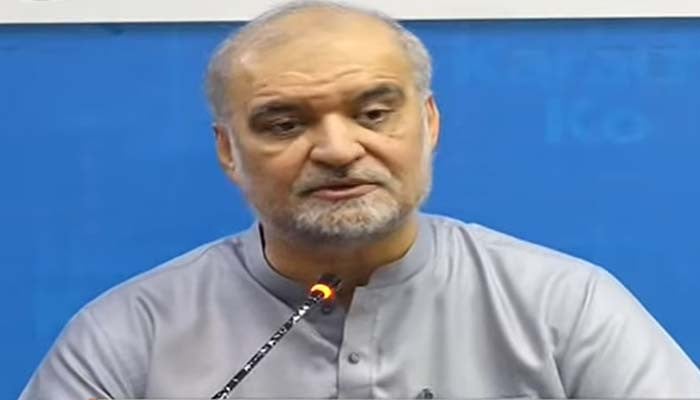
Jamaat-e-Islami (JI) Emir Hafiz Naeemur Rehman has formally announced that the political party will unveil the next phase of its aggressive anti-inflation and anti-tax protest campaign immediately following October 7. The upcoming mobilization strategy directly targets the federal government's steep petroleum development levies (PDL), exorbitant electricity tariffs, and overarching fiscal measures mandated under international lending agreements. Speaking to party workers and media representatives, Hafiz Naeem emphasized that the ongoing economic squeeze on ordinary citizens and salaried classes has reached an unsustainable threshold. The protest blueprint includes potential nationwide shutter-down strikes, targeted sit-ins outside key regulatory institutions, and expanded public rallies across major industrial hubs in Punjab, Sindh, and Khyber Pakhtunkhwa. This concerted push follows weeks of mounting grassroots discontent over compounding utility bills and recurrent fuel price adjustments that have severely eroded purchasing power.
Commercial & Economic Implications
For Pakistan's fragile retail, wholesale, and manufacturing sectors, the escalation of political agitation introduces severe operational risks and heightened uncertainty. High petroleum levies act as a foundational cost-driver, cascading directly into transport tariffs, agricultural input costs, and fast-moving consumer goods (FMCG) pricing. Wholesale distributors in major commercial centers such as Karachi, Lahore, and Faisalabad report a sharp contraction in consumer demand as household budgets are increasingly diverted toward non-negotiable utility commitments. Furthermore, potential strike actions and transport blockades threaten to disrupt intricate supply chains, leading to localized stock shortages and inventory bottlenecks. Economists warn that prolonged political friction complicates corporate planning, dampens private sector investment sentiment, and directly undermines retail trade velocity during the crucial post-monsoon trading season.
Related Intelligence: Federal Government Warns Over Security Risks Amid KP Political Crisis
Stakeholder Perspectives & Market Reactions
Business associations, Chambers of Commerce, and market committees have expressed grave concern over the compounding pressure of indirect taxation and energy pricing. While trade bodies have historically maintained caution regarding full-scale economic shutdowns, representatives from various urban merchant associations indicate growing sympathy for demands to rationalize the petroleum development levy and audit independent power producer (IPP) contracts. Conversely, government economic managers maintain that aggressive fiscal consolidation and petroleum taxation are indispensable prerequisites to fulfill structural benchmarks set by the International Monetary Fund (IMF). Federal officials argue that compromising on revenue collection targets would jeopardize macroeconomic stabilization, derail foreign exchange reserves, and reignite inflationary spirals.
Forward Outlook & Key Watchpoints
As Jamaat-e-Islami prepares to roll out its post-October 7 campaign, key domestic and financial watchpoints will dictate the trajectory of the standoff. Market analysts are closely monitoring the government's willingness to engage in substantive dialogue with political agitators and business councils regarding tariff rationalization. Key indicators to watch include potential adjustments in bi-weekly fuel price revisions, the enforcement timeline for industrial power tariff subsidies, and the overall breadth of merchant participation in announced strike actions. Failure to mitigate public and commercial grievances could trigger widespread civil disobedience, forcing policymakers into delicate compromises that test the limits of current fiscal stabilization programs.
Join Our Official WhatsApp Channel
Receive live commodity alerts, policy changes, and commercial intelligence directly on WhatsApp.