
Israeli Leadership Scenarios Signal Structural Continuity Over Policy Shift
Analyses of potential post-Netanyahu governance models indicate deep political consensus on Palestinian security architecture, pointing to sustained geopolitical friction and prolonged supply-chain volatility.
Geopolitical & Core Developments
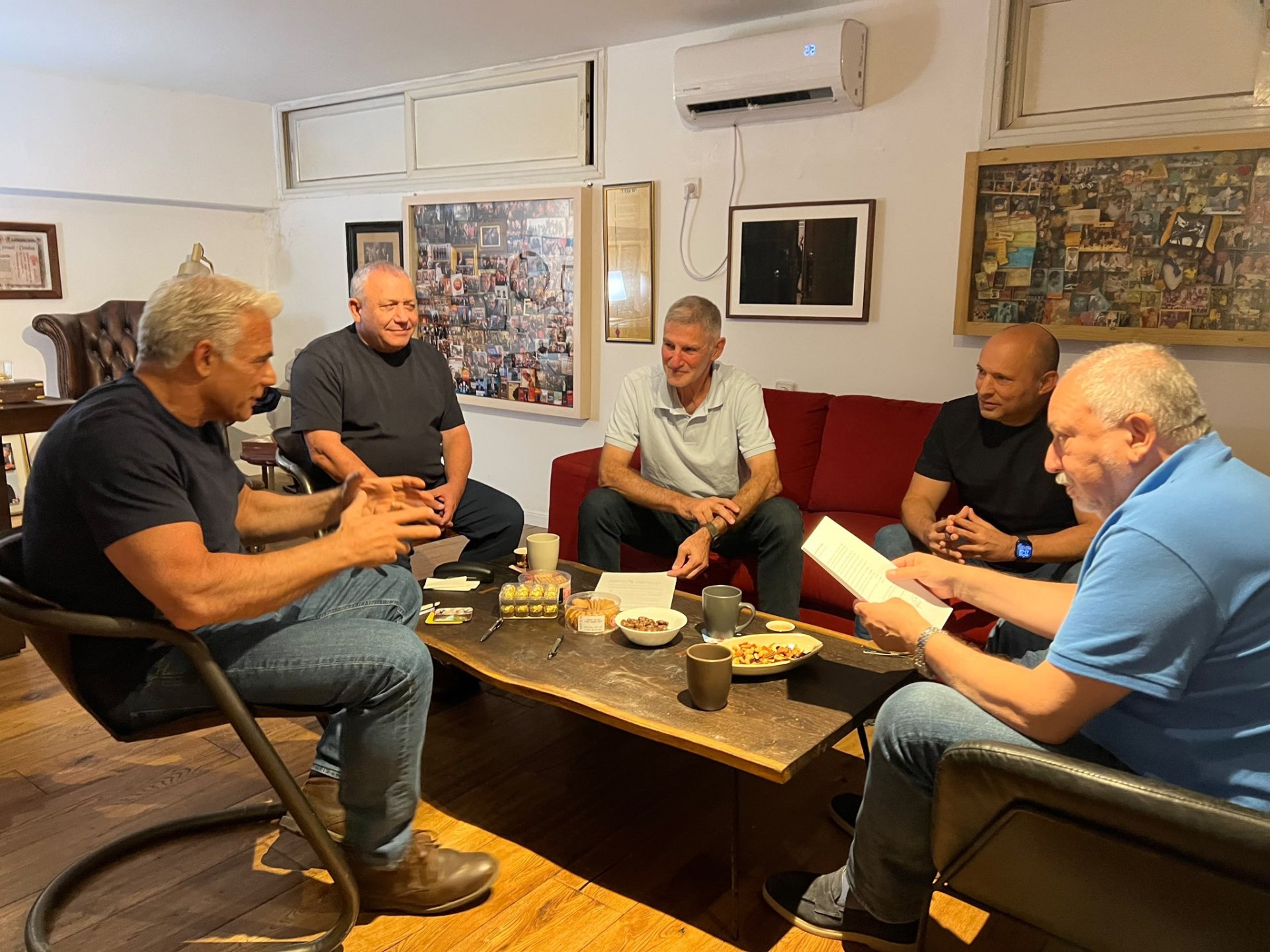
Speculation regarding the political longevity of Prime Minister Benjamin Netanyahu has intensified amid prolonged domestic mobilization and heightened international scrutiny. However, diplomatic observers and regional analysts indicate that any transition toward an alternative governing coalition—led by centrist or traditional opposition figures such as Benny Gantz or Yair Lapid—would represent an alteration of diplomatic tone rather than a fundamental pivot in operational posture toward the occupied Palestinian territories.
The structural drivers governing Israeli security policy remain entrenched across the domestic political spectrum. Cross-party consensus largely favors maintaining overarching security control over the West Bank and perimeter dominance around the Gaza Strip, rendering substantive progress toward a two-state framework improbable under current political balances. Centrist alternatives may demonstrate greater alignment with multilateral institutions and Washington on humanitarian protocol, yet core doctrines regarding the non-viability of Palestinian statehood and settlement retention remain firmly embedded within majority parliamentary alignments.
Global Trade & Economic Ripples
While domestic political permutations dominate headlines, market participants are pricing in chronic operational friction across the broader Middle Eastern commercial theater. The geopolitical architecture of the Levant directly interacts with maritime corridors, hydrocarbon transit routes, and regional infrastructure integration. Prolonged deadlock perpetuates heightened war-risk insurance premiums for commercial carriers traversing the Red Sea and Eastern Mediterranean choke points.
Energy markets continue to incorporate a baseline volatility premium, driven by the lingering threat of regional escalation encompassing crude producers and natural gas extraction facilities offshore Israel and Egypt. Disruptions to planned Eastern Mediterranean gas export initiatives, coupled with rerouted dry bulk and fertilizer cargoes around the Cape of Good Hope, impose compounding freight costs on international agricultural input markets. For commodity-dependent economies, prolonged geopolitical paralysis in the Levant translates to elevated input pricing and ongoing supply chain reconfiguration.
Related Intelligence: Saudi Arabia Proceeds with Riyadh Boxing Showcase Amid Regional Security Crises
International Reactions & Diplomatic Stances
Western diplomatic bodies, including the United States Department of State and the European External Action Service, have quietly explored prospective interlocutors among Israeli opposition blocs in hopes of de-escalating diplomatic friction. Western capitals anticipate that a centrist leadership group would yield more predictable channels for crisis de-escalation, post-conflict governance coordination in Gaza, and the phased resumption of normalization diplomacy under the Abraham Accords framework.
Conversely, United Nations agencies and humanitarian missions maintain that procedural shifts without land-tenure reforms or the cessation of settlement expansion will fail to stabilize the humanitarian index. Arab League member states and regional powers, including Saudi Arabia, continue to reiterate that comprehensive diplomatic integration and long-term economic corridors—such as the India-Middle East-Europe Economic Corridor (IMEC)—remain contingent upon tangible, irreversible pathways toward an independent Palestinian state, an outcome largely excluded from the platforms of viable Israeli governing alternatives.
Strategic Outlook & Future Scenarios
In the medium term, three core trajectories dominate institutional scenarios. The first involves the preservation of an emergency or broad-based unity framework, prioritizing localized tactical operations while resisting bilateral diplomatic concessions. The second scenario envisions a centrist coalition that normalizes ties with international bodies, thereby blunting international legal actions and targeted trade boycotts, while maintaining underlying demographic and land policies.
The third and most disruptive trajectory entails prolonged parliamentary fragmentation, leading to repetitive electoral cycles and governance vacuums. Under such circumstances, policy paralysis would likely harden existing field realities, perpetuating security volatility, complicating regional reconstruction financing, and sustaining elevated risk allowances across global logistics, marine insurance, and strategic commodities.
Join Our Official WhatsApp Channel
Receive live commodity alerts, policy changes, and commercial intelligence directly on WhatsApp.