
Israeli Electoral Disqualification Exposes Deepening Institutional Disparities
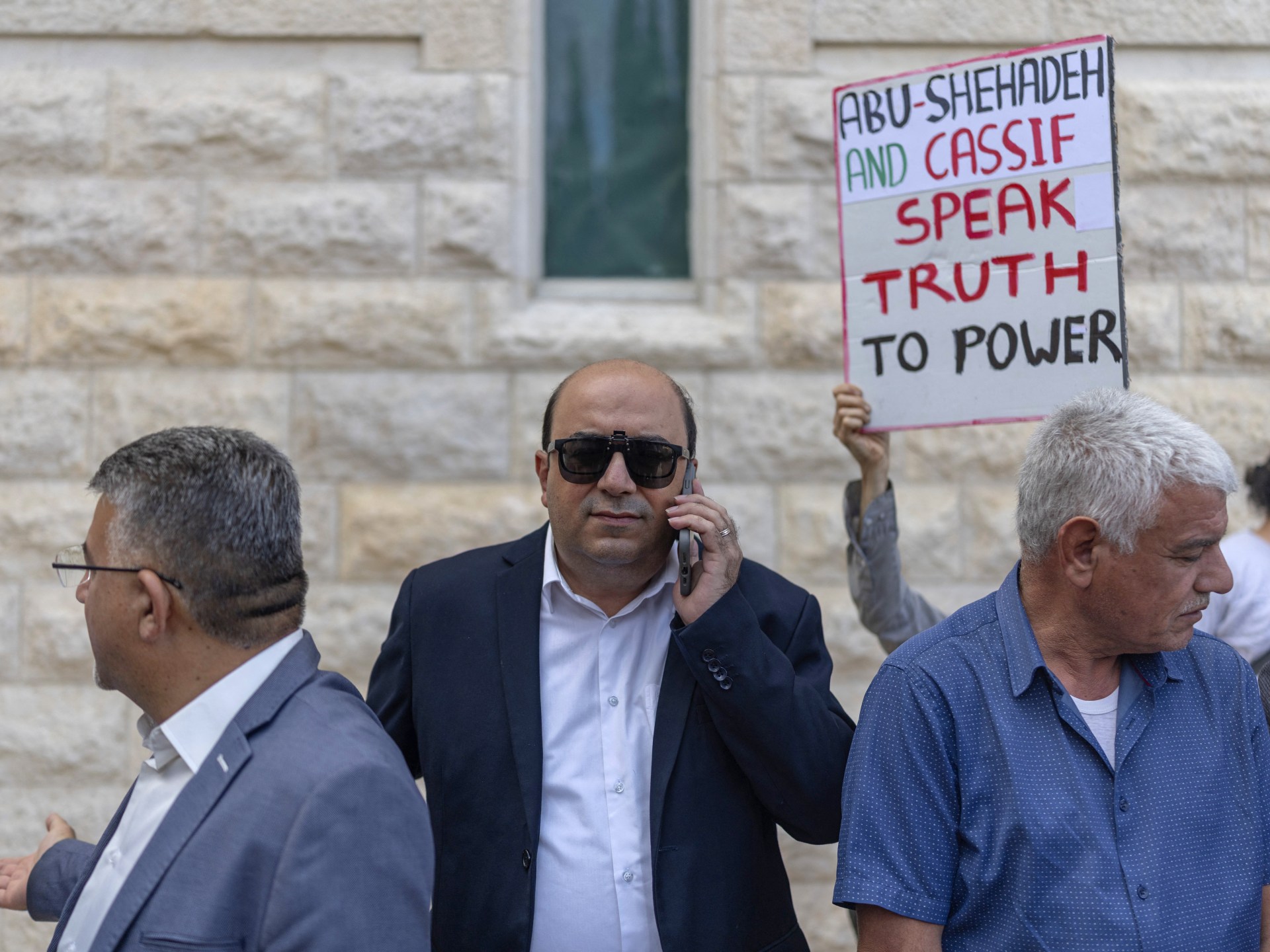
Recent electoral rulings barring Palestinian Israeli leaders while clearing far-right candidates expose deepening institutional disparities, threatening broader regional stability and investor confidence.
Geopolitical & Core Developments
The recent decisions by Israeli electoral authorities to force the withdrawal of a prominent Palestinian Israeli leader while clearing far-right political figures have ignited intense domestic and international debate. This stark contrast in judicial and administrative scrutiny underscores a widening chasm within the nation's democratic framework. Critics and civil rights organizations argue that the selective application of electoral laws creates a tiered system of citizenship, disproportionately marginalizing the Arab minority and undermining the foundational principles of representative democracy. The events trace back through a complex timeline of legislative challenges, security committee hearings, and Supreme Court petitions that have increasingly politicized the country's electoral apparatus. As political alliances shift ahead of upcoming parliamentary votes, the marginalization of nearly twenty percent of the citizenry threatens to fracture social cohesion and alter the trajectory of domestic governance for years to come.
Global Trade & Economic Ripples
While electoral disqualifications primarily manifest as domestic political crises, the ripple effects extend into international commerce, investor sentiment, and global market stability. International corporations and institutional investors closely monitor political stability in the Levant as a barometer for regional risk. Heightened social unrest, potential general strikes, and prolonged legal challenges surrounding the legitimacy of state institutions can depress foreign direct investment and weigh heavily on local currency valuations. Furthermore, disruptions within key technology, agricultural, and manufacturing sectors—where Palestinian Israeli citizens constitute a vital segment of the professional workforce—pose localized supply chain vulnerabilities. Global commodity markets remain sensitive to any escalation of internal friction that might spill over into broader security challenges affecting Eastern Mediterranean trade corridors and energy exploration projects.
Related Intelligence: British Military Immunity in Kenya Faces Landmark Legal Challenge
International Reactions & Diplomatic Stances
The international community has responded to the electoral developments with growing apprehension. Representatives from various multilateral bodies, including human rights offices and diplomatic missions, have expressed concern over the apparent double standard in candidate vetting processes. While traditional allies have historically emphasized mutual democratic values, diplomats are increasingly privately and publicly cautioning that selective disenfranchisement erodes the moral standing of the state on the global stage. Regional neighbors and international observers warn that such judicial maneuvers diminish prospects for renewed peace initiatives and complicate bilateral cooperation frameworks. Financial market analysts note that prolonged diplomatic friction with Western partners could eventually translate into tighter credit conditions or strategic reassessments of trade agreements.
Strategic Outlook & Future Scenarios
Looking ahead, the trajectory of Israeli domestic politics points toward sustained polarization and heightened legal battles over civil rights and electoral reform. Upcoming legislative sessions and potential street mobilizations will serve as critical litmus tests for the resilience of democratic institutions. If the exclusion of minority leadership becomes a codified precedent, analysts project a permanent alienation of the Arab electorate, potentially leading to systemic boycotts of future democratic exercises. For international actors and commodity traders, these developments signal a persistently volatile geopolitical environment in the Eastern Mediterranean, requiring robust risk management strategies and continuous monitoring of diplomatic relations.
Join Our Official WhatsApp Channel
Receive live commodity alerts, policy changes, and commercial intelligence directly on WhatsApp.