
Indus Waters Treaty Abeyance Threatens Pakistan Food Security
India's suspension of the Indus Waters Treaty threatens Pakistan's water security, agricultural output, and economic stability, triggering international alarm at the UN Human Rights Council.
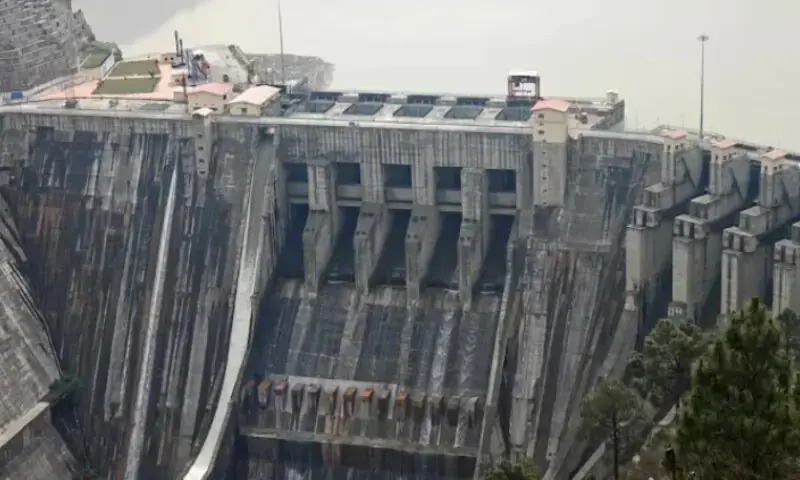
The Core Development
India's decision to place the Indus Waters Treaty (IWT) in abeyance has escalated geopolitical and environmental anxieties across South Asia, placing the six-decade-old water-sharing framework under unprecedented strain. The grave implications of this policy shift took center stage on Friday, October 2, during a high-level side event in Geneva held on the margins of the 63rd session of the United Nations Human Rights Council (UNHRC), which ran from September 7 to October 7.
The convening, titled "Water Justice and Climate Resilience: Advancing Transboundary Cooperation in South Asia and the Middle East," assembled an international cohort of legal scholars, diplomats, environmental practitioners, and civil society delegates. Discussions centered on the weaponization or unilateral suspension of transboundary water pacts, international water law, and the fundamental intersection of environmental justice and basic human rights. Experts noted that undermining a treaty that has successfully survived multiple wars and diplomatic crises since 1960 establishes a perilous precedent for regional stability and ecological governance in the Indus Basin.
Commercial & Economic Implications
For Pakistan's commercial landscape, particularly the agricultural and retail sectors, any unilateral disruption to the Indus river system poses an existential threat to national supply chains. The Indus Basin is the primary economic lifeline of the country, irrigating over 80 percent of agricultural land and fueling staple crop production, including wheat, rice, and cotton.
Analysts at Kalyar Traders warn that prolonged uncertainty regarding water availability will directly impair domestic crop yields, driving up raw material costs for wholesale distributors and food processors. Reduced agricultural output inevitably translates into severe inflationary spirals for retail food prices, hitting urban and rural consumers alike. Furthermore, constrained irrigation supplies threaten Pakistan's vital textile export sector by curbing domestic cotton production, thereby widening trade deficits and exerting downward pressure on the national currency.
Related Intelligence: US Capital Punishment Scrutiny Reshapes International Trade and Diplomatic Norms
Stakeholder Perspectives & Market Reactions
Agricultural bodies, trade associations, and legal experts in Pakistan have expressed profound alarm over the diplomatic stalemate. Representatives from major farming syndicates emphasize that water scarcity is no longer merely an environmental concern, but an acute economic emergency threatening commercial solvency across the agrarian belt.
Legal practitioners at the Geneva forum underscored that the Indus Waters Treaty contains strict mechanisms governing modification or termination, arguing that unilateral abeyance violates foundational principles of international customary law. Business leaders are calling upon the federal government and international diplomatic channels to actively engage multilateral forums to compel adherence to treaty arbitration protocols, safeguarding commercial predictability for millions of dependents whose livelihoods rely on uninterrupted basin flows.
Forward Outlook & Key Watchpoints
As the diplomatic fallout unfolds, policymakers and market participants are closely monitoring several critical indicators. Key watchpoints include formal diplomatic responses from Islamabad, potential interventions by the World Bank as the designated treaty guarantor, and any concrete infrastructural moves by New Delhi regarding upstream flow management.
For domestic businesses, hedging against agricultural volatility and monitoring seasonal water reservoir levels will be crucial over the coming quarters. Without a prompt resumption of bilateral compliance or successful legal arbitration, Pakistan faces a protracted structural crisis that could permanently alter its macroeconomic trajectory and food security architecture.
Join Our Official WhatsApp Channel
Receive live commodity alerts, policy changes, and commercial intelligence directly on WhatsApp.