
Houthi Strikes on Saudi Energy Infrastructure Threaten Global Markets
Renewed Houthi attacks on Saudi energy facilities trigger fresh anxieties across international crude markets and diplomatic channels.
Geopolitical & Core Developments
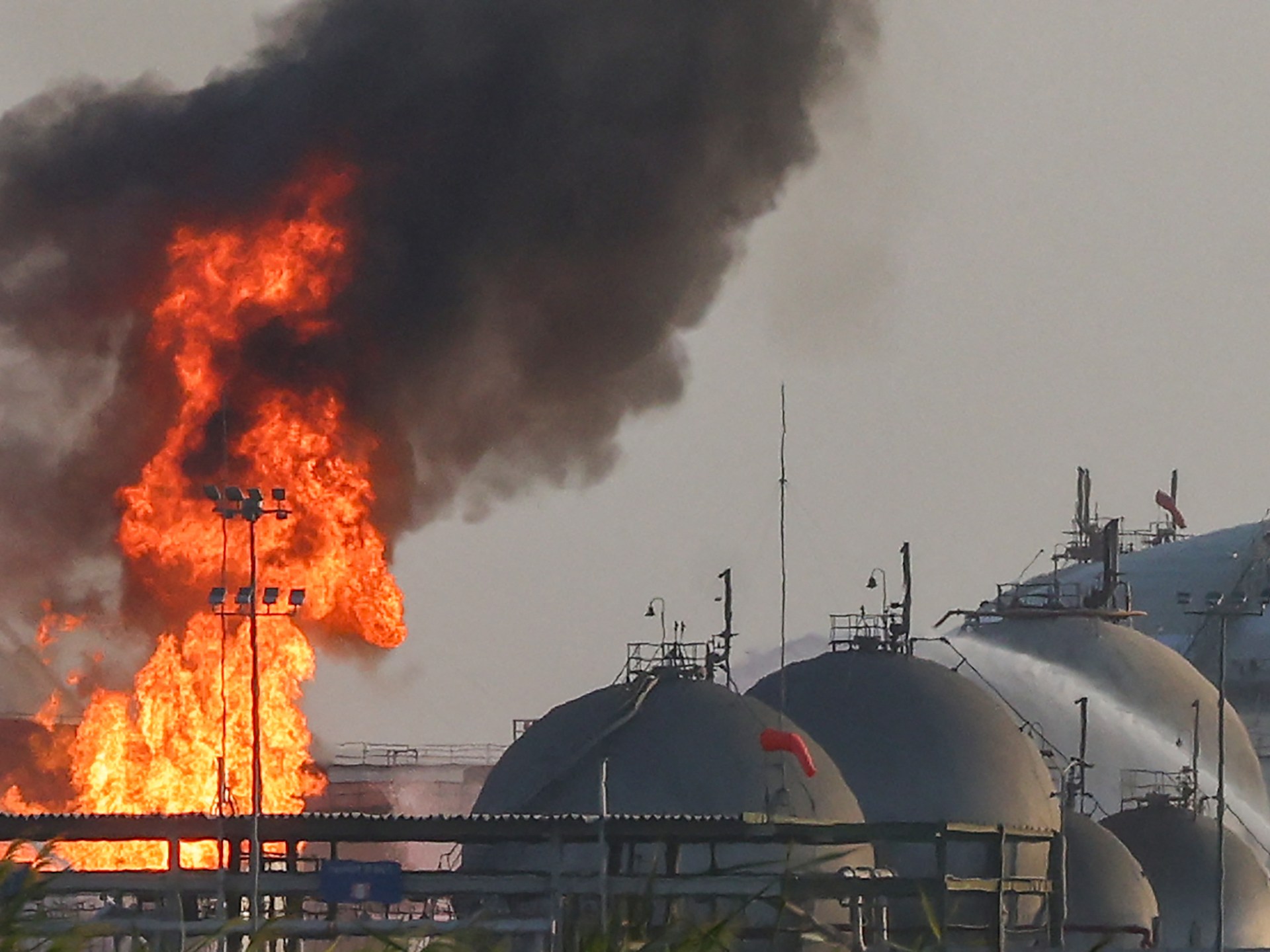
The recent escalation in Yemen-linked hostilities marked a dangerous turn as Houthi forces claimed responsibility for a sophisticated drone and missile barrage targeting strategic energy infrastructure within the Saudi capital of Riyadh. Plumes of thick black smoke and intense fire were reported near a key Saudi Aramco facility, underscoring the persistent vulnerability of critical nodes within the global petroleum supply chain. This latest strike shatters a fragile, de facto lull in cross-border hostilities that had offered a glimmer of hope for a negotiated settlement in Yemen's protracted civil conflict.
The timing of the assault coincides with delicate regional diplomatic maneuvers aimed at solidifying a permanent ceasefire between the Houthi movement and the Saudi-led coalition. State actors across the Middle East have watched with mounting alarm as asymmetric warfare threatens to spill over into broader regional conflagrations. The sophistication of the projectiles utilized in the Riyadh raid suggests a continued refinement of tactical capabilities, posing immense challenges for sophisticated air defense networks and raising profound questions regarding regional deterrence architecture. Strategic analysts note that the resumption of direct attacks on metropolitan and industrial centers inside the Kingdom signals a strategic pivot by the insurgent group to leverage economic pressure in ongoing political stalemates.
[Global Trade](/news/us-midterm-pivot-threatens-global-trade-stability-and-energy-markets) & Economic Ripples
International commodity markets reacted with immediate volatility to the reports from Riyadh, reflecting the extreme sensitivity of global energy corridors to geopolitical shocks in the Arabian Peninsula. Crude oil futures experienced sharp upward ticks during early trading sessions as algorithmic traders and institutional investors factored in the renewed risk premium associated with Middle Eastern crude supplies. Saudi Arabia, operating as the world's premier swing producer and a foundational pillar of the Organization of the Petroleum Exporting Countries, remains indispensable to maintaining global supply equilibrium. Any sustained threat to its processing facilities or export terminals introduces catastrophic tail risks for international shipping lanes, particularly the Bab el-Mandeb strait and the Red Sea corridor.
Beyond immediate pricing pressures at the pump, downstream industrial sectors face renewed cost burdens as shipping insurers reassess risk profiles for vessels operating in the southern Red Sea and adjacent waters. Freight rates and marine war-risk premiums are projected to adjust upward, compounding existing inflationary pressures across global supply chains. Financial markets are closely monitoring whether sustained infrastructural threats could force preemptive production adjustments or storage reallocations, which would reverberate through petrochemical feedstock prices, currency valuations of oil-dependent economies, and broader macroeconomic stability across both developing and industrialized nations.
Related Intelligence: Middle East Escalation Threatens Global Supply Chains as Trump Warns Iran
International Reactions & Diplomatic Stances
Global capitals and multilateral institutions moved swiftly to condemn the targeted assaults on civilian and industrial infrastructure. The United Nations Secretary-General issued a stern admonition, reiterating that attacks on commercial energy facilities violate international humanitarian norms and severely undermine ongoing peace efforts under the auspices of the UN-led Yemeni political transition process. Western governments, including the United States and European Union member states, reaffirmed their unwavering commitment to the territorial defense of the Kingdom while calling for immediate de-escalation from all belligerent parties.
Market analysts and geopolitical risk consultancies have emphasized that diplomatic channels must be reinforced to prevent tit-for-tat retaliatory cycles that could paralyze regional commerce. Major importing nations in Asia, heavily reliant on Middle Eastern hydrocarbon flows, expressed deep concern over the security of energy transit routes. Multilateral bodies are urging renewed engagement between regional stakeholders to establish robust monitoring mechanisms and safeguard critical infrastructure from asymmetric warfare tactics.
Strategic Outlook & Future Scenarios
As the situation develops, the trajectory of the conflict hinges on the immediate military response from the Saudi-led coalition and the diplomatic resolve of international mediators. A heavy-handed military retaliation risks entrenching the parties in a renewed cycle of attrition, potentially derailing nascent bilateral talks between Riyadh and Sanaa. Conversely, exercising strategic restraint while simultaneously upgrading integrated air and missile defense shields may contain the immediate fallout but leaves structural vulnerabilities unaddressed.
Upcoming diplomatic summits and ministerial meetings of energy-producing nations will likely focus heavily on fortifying physical and cyber defenses around critical infrastructure. Investors and trade strategists must prepare for persistent geopolitical volatility, as non-state actors continue to exploit asymmetric capabilities to exert disproportionate influence over global commodity markets and international security frameworks.
Join Our Official WhatsApp Channel
Receive live commodity alerts, policy changes, and commercial intelligence directly on WhatsApp.