
Fuel Subsidy Rollout Stalls as Petrol Dealers Resist Digital App
Pakistan’s landmark Rs100-per-litre fuel subsidy scheme stalled on day one as petrol stations nationwide rejected digital vouchers over cash-flow and reimbursement uncertainties.
The Core Development
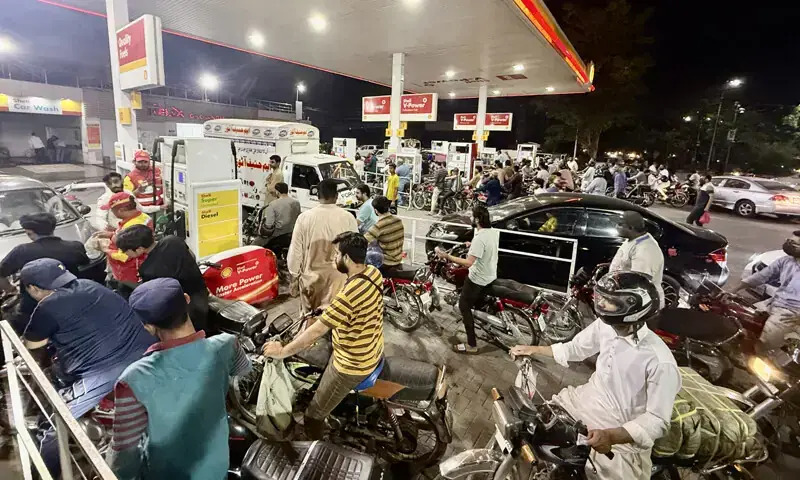
The ambitious rollout of the federal government’s targeted fuel subsidy scheme encountered severe operational friction on its inaugural day across Pakistan. Formulated to provide registered low-income motorists with critical relief of Rs100 per litre on motor spirit (petrol), the initiative suffered immediate disruptions at forecourts nationwide. Retail petroleum stations across Islamabad, Rawalpindi, Lahore, Karachi, and Peshawar turned away thousands of registered motorists attempting to redeem digital vouchers, with operators maintaining that their automated dispensing infrastructure was neither integrated with the government’s application nor calibrated to deliver subsidized rates.
In response to mounting public distress and escalating queues, Minister of State for Information Technology and Telecommunication Shaza Fatima Khawaja carried out emergency site inspections across multiple fuel stations in Rawalpindi. The minister engaged directly with station managers to enforce compliance and ensure subsidized fuel was dispensed to verified beneficiaries. However, front-line dealers cited technical incompatibilities, inadequate operational briefs, and absent point-of-sale verification systems as insurmountable barriers to same-day execution.
Commercial & Economic Implications
The initial collapse in forecourt execution exposes fundamental structural flaws in bridging state-sponsored welfare initiatives with downstream commercial distribution. Petroleum retailers operate on thin, state-regulated margins determined by the Oil and Gas Regulatory Authority (OGRA). Under conventional commercial arrangements, independent dealers purchase fuel stocks upfront from Oil Marketing Companies (OMCs) on cash or highly compressed commercial credit terms.
Forcing retail stations to absorb an unhedged Rs100 per litre discount creates an immediate, catastrophic working capital deficit. A standard urban fuel station dispensing 20,000 litres of subsidized petrol daily faces an uncollateralized cash deficit of Rs2 million every 24 hours. Without an automated, real-time banking settlement protocol, dealers risk rapid cash exhaustion, preventing them from placing replenishment orders with OMCs. This dynamic threatens localized fuel supply crunches, dampens retail inventory turnover, and risks exacerbating domestic transport inflation if logistical operators cannot access intended price relief.
Related Intelligence: Pakistan Hikes High-Speed Diesel by Rs3.47 as Petrol Sees Marginal Cut
Stakeholder Perspectives & Market Reactions
The Pakistan Petroleum Dealers Association (PPDA) had actively warned the Petroleum Division and the Ministry of Energy against an unvetted rollout. A senior PPDA leadership official noted that while dealers endorse targeted consumer relief, converting thousands of independently owned retail stations into unsecured creditors for the federal treasury is unworkable. The association articulated deep concerns that dealers would be trapped in bureaucratic quagmires, forced to pursue protracted reconciliation claims across state audit offices.
Conversely, consumer response across major transport nodes was marked by frustration. Motorcyclists, ride-hailing drivers, and small business operators—the primary target demographic for the welfare intervention—reported hours of lost productivity waiting at non-compliant stations. Legal and regulatory observers have also pointed out that without formal statutory notification empowering OMCs to reconcile margins directly at the refinery gate or port terminal, placing the fiscal burden on retail forecourts violates standard commercial code and retail licensing covenants.
Forward Outlook & Key Watchpoints
The viability of the prime minister’s flagship subsidy program now depends on rapid tripartite alignment between the Ministry of Information Technology, the Petroleum Division, and the PPDA. Financial market analysts emphasize that the government must bypass manual voucher reconciliations by deploying an instant clearing mechanism, potentially through the State Bank of Pakistan’s Raast infrastructure or via direct credit adjustments on OMC supply invoices.
In the near term, market participants should watch for OGRA issuing formal operational guidelines, potential emergency fiscal escrow allocations from the Ministry of Finance, and whether dealer associations initiate collective forecourt closures if liquidity safeguards remain unaddressed. Without systemic technical resolution, the gap between political intent and commercial execution risks undermining national supply chain stability.
Join Our Official WhatsApp Channel
Receive live commodity alerts, policy changes, and commercial intelligence directly on WhatsApp.