
France Closes Hundreds of Schools Amid Escalating Student Unrest
France has suspended operations at up to 500 high schools following violent student protests and clashes with riot police, raising concerns over domestic stability and economic continuity.
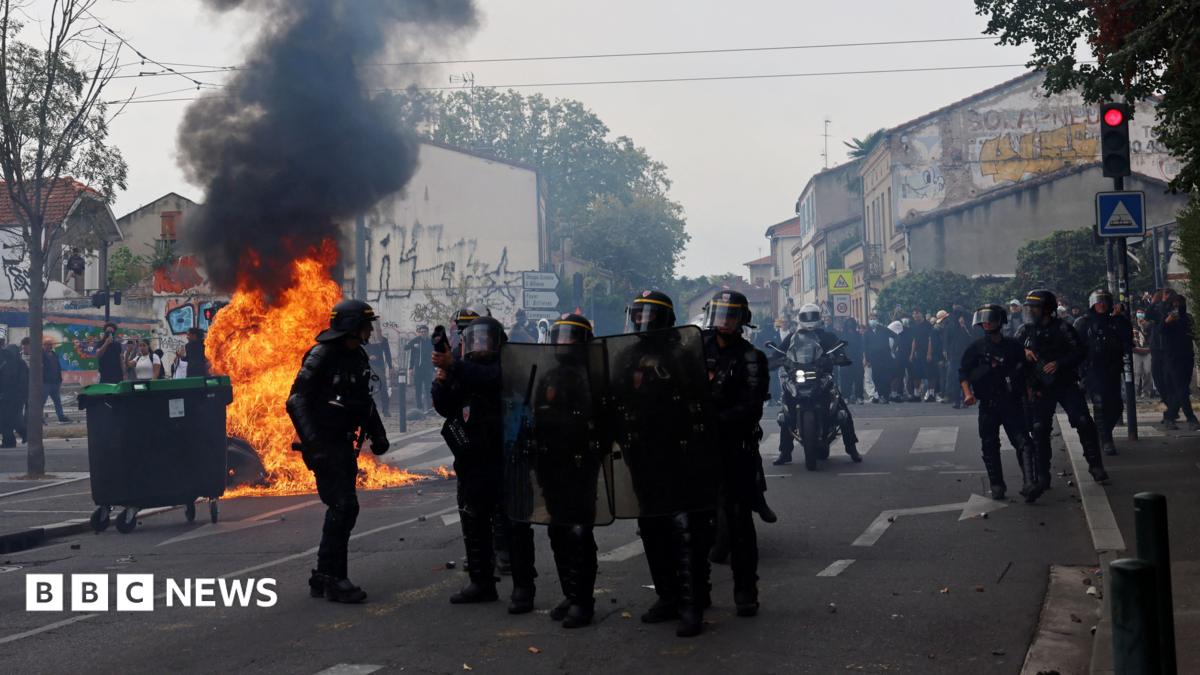
Geopolitical & Core Developments
French educational authorities have announced the total or partial suspension of classes in up to 500 high schools nationwide following a wave of intense student demonstrations that rapidly deteriorated into violent confrontations with riot police. The unrest, sparked by grievances over educational reforms, public funding, and broader socioeconomic anxieties, has placed significant pressure on the administration of President Emmanuel Macron. Security forces deployed tear gas and baton charges in several major urban centers to disperse barricaded students, leading to numerous arrests and localized transport gridlock. The escalation underscores a volatile domestic climate in France, where social friction frequently manifests in widespread civil disobedience capable of paralyzing public infrastructure.
State actors and internal security ministries are currently managing a multi-front crisis, balancing the constitutional right to protest with the imperative to maintain public order. The decentralized nature of the student movement has complicated police intelligence operations, preventing authorities from anticipating flashpoints across disparate academic institutions. As union backing potentially broadens the scope of the protests, the government faces a critical juncture in containing civil dissent before it metastasizes into a broader general strike reminiscent of historical French labor crises.
Global Trade & Economic Ripples
While the protests are primarily domestic in origin, the disruption of commercial hubs, transport corridors, and urban supply chains in key French metropolitan areas introduces friction into broader European logistics. Temporary blockades of thoroughfares and transit networks directly impact regional freight movement, delaying the distribution of goods and raw materials. Although direct impacts on global commodity pricing remain muted, prolonged civil unrest in a core eurozone economy inevitably dampens investor sentiment and exerts downward pressure on the euro.
Global energy markets and industrial supply chains are observing the situation for any escalation that might affect domestic fuel distribution or refinery operations, which have historically been vulnerable to secondary strike action in France. Multinational corporations operating within the region are reviewing contingency plans to safeguard employee mobility and inventory transit. Any sustained paralysis of French commercial centers risks creating bottlenecks that ripple across European trade routes, affecting cross-border manufacturing inputs and retail supply schedules.
Related Intelligence: Brazilian Presidential Election Triggers Global Commodity and Trade Volatility
International Reactions & Diplomatic Stances
International observers, including trade partners and diplomatic missions in Paris, are closely monitoring the security situation, advising travelers and expatriates to exercise caution in major urban zones. Neighboring European Union member states have expressed concern over internal stability in France, emphasizing the necessity of maintaining open communication channels between the state and civic organizations. Multilateral financial institutions are assessing whether persistent domestic friction could undermine France's fiscal consolidation efforts and structural reform agenda.
Market analysts and ratings agencies have indicated that while immediate economic damage remains localized, persistent social unrest poses a structural risk to France's business climate. Foreign direct investment decisions could face temporary delays as institutional investors re-evaluate political risk metrics within the eurozone. Diplomatic counterparts are quietly urging a swift, negotiated resolution to prevent the protests from drawing in broader labor confederations that could compound economic vulnerabilities.
Strategic Outlook & Future Scenarios
Looking ahead, the trajectory of the French student protests will depend heavily on the government's willingness to engage in substantive dialogue versus its enforcement of strict public order measures. Upcoming national legislative debates and potential solidarity strikes by transport and energy unions represent critical escalation points that could transform localized student grievances into a systemic national crisis. Strategic planners are modeling various scenarios, ranging from a rapid de-escalation following policy concessions to prolonged civil disruption that could impair broader European economic recovery metrics in the upcoming quarter.
Join Our Official WhatsApp Channel
Receive live commodity alerts, policy changes, and commercial intelligence directly on WhatsApp.