
Ethiopian Military Reports Repelled Attacks Amid Civil War Fears
Ethiopia's military has confirmed repelling fresh attacks, sparking severe international concerns over the potential collapse of the fragile peace agreement and renewed civil conflict.
Geopolitical & Core Developments
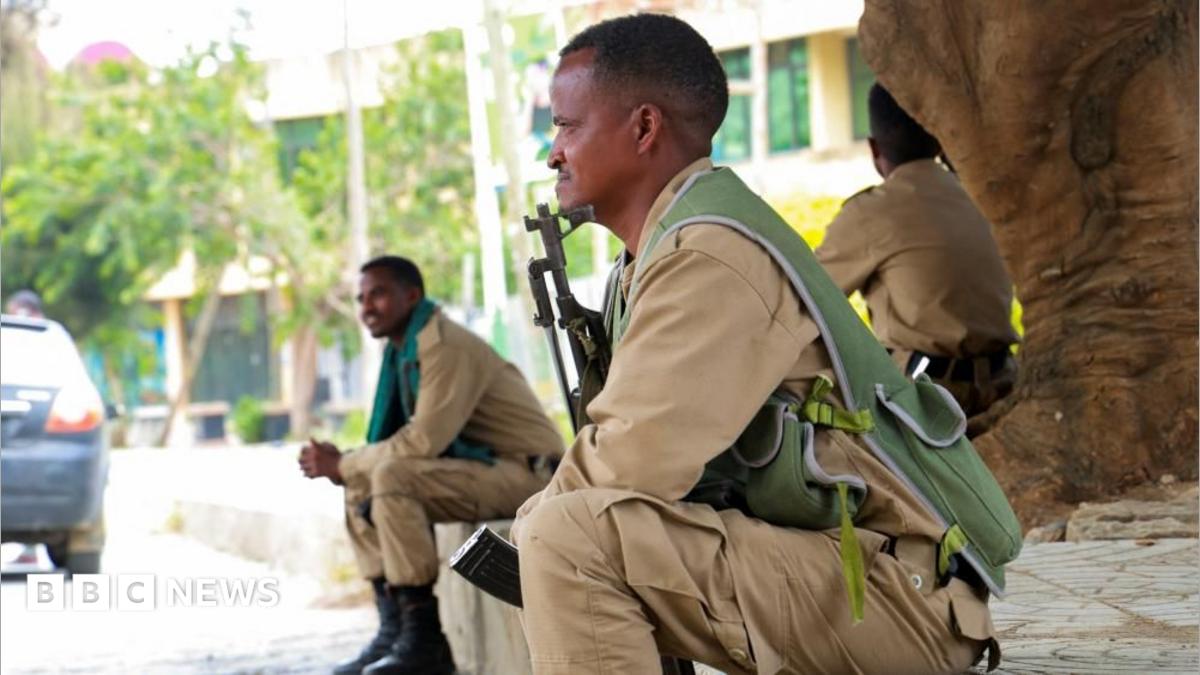
The Ethiopian National Defense Force (ENDF) has issued its first official statement addressing a fresh outbreak of fighting, confirming that its units successfully repelled coordinated military attacks and inflicted significant casualties on opposing forces. This escalation shatters the fragile relative calm that had settled over the country following the Pretoria Agreement, which formally ended two years of devastating conflict in the northern Tigray region. However, simmering territorial disputes, the incomplete disarmament of various factions, and deep-seated political mistrust among regional elites have consistently threatened the peace process. The latest military engagements signal a dangerous regression, raising the specter of renewed multi-front warfare that could destabilize the entire Horn of Africa. State actors and regional commands are currently on high alert as movements of heavy weaponry and troop mobilizations are reported across contested administrative boundaries.
[Global Trade](/news/trump-xi-summit-trade-tech-taiwan-iran) & Economic Ripples
While Ethiopia is not a major exporter of primary fossil fuels, its internal stability is critical to the broader economic architecture of East Africa. Renewed conflict threatens vital agricultural production, particularly coffee and oilseeds, which serve as foundational pillars of the nation's export economy and crucial foreign exchange generators. Furthermore, prolonged instability risks severely disrupting regional transport corridors, including the primary trade artery connecting landlocked Ethiopia to the port of Djibouti. Any sustained disruption to this corridor directly impacts regional logistics, driving up freight insurance premiums, delaying international cargo shipments, and exerting inflationary pressure on imported commodities across the wider East African market. Global commodity traders are closely monitoring the situation for potential spillover effects that could constrain regional supply chains and diminish investor confidence in emerging African markets.
Related Intelligence: Hurricane Polo Threatens Mexican Infrastructure and Key Supply Chains
International Reactions & Diplomatic Stances
International bodies and foreign ministries have responded to the outbreak of fighting with profound alarm, urging immediate de-escalation and strict adherence to previous ceasefire accords. The United Nations and the Intergovernmental Authority on Development (IGAD) have issued joint appeals for restraint, emphasizing that a resumption of full-scale civil war would yield catastrophic humanitarian consequences and compound existing regional refugee crises. Western diplomatic missions in Addis Ababa are currently re-evaluating security protocols and pressing federal authorities and regional leaders to return immediately to the negotiating table. Market analysts note that continued hostilities will likely jeopardize ongoing debt restructuring negotiations and impede foreign direct investment, complicating Ethiopia's broader macroeconomic reform agenda.
Strategic Outlook & Future Scenarios
Looking ahead, the trajectory of the conflict hinges on the willingness of political and military leadership to contain local skirmishes before they transform into systemic warfare. If diplomatic interventions by the African Union and international partners fail to secure an immediate cessation of hostilities, Ethiopia faces a high risk of protracted, fragmented insurgencies that could strain state resources and fracture national unity. Upcoming diplomatic summits will likely focus on emergency stabilization measures, potentially tying future financial assistance and debt relief to verifiable commitments of peace. For global commerce and regional stability, the coming weeks represent a critical juncture that will determine whether East Africa descends back into widespread conflict or navigates a path toward sustainable political dialogue.
Join Our Official WhatsApp Channel
Receive live commodity alerts, policy changes, and commercial intelligence directly on WhatsApp.