
Escalating Yemen Conflict Drives Mass Displacement and Threatens Red Sea Stability
Intensified military clashes in Yemen have forced more than 112,000 people from their homes and prompted cross-border flight to Djibouti, as 22 million civilians require aid amid escalating threats to regional maritime trade.
Geopolitical & Core Developments
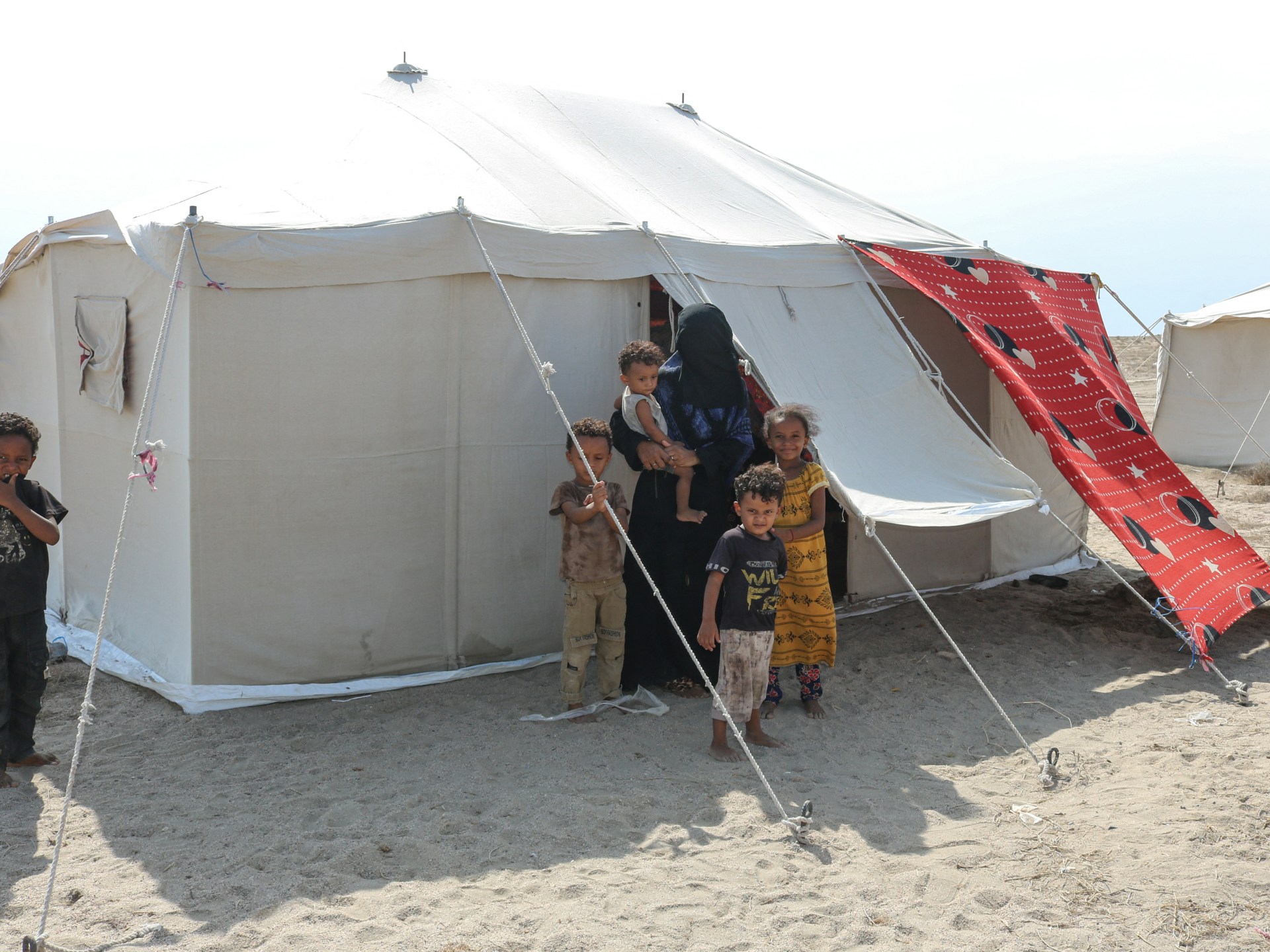
The protracted conflict in Yemen has entered an acute phase of operational escalation, triggering severe population displacements across key contested governorates. International monitoring missions confirm that recent surges in heavy artillery exchanges, airstrikes, and ground skirmishes have displaced more than 112,000 individuals within weeks. A significant portion of this displaced population has been driven toward precarious coastal corridors along the Red Sea, with thousands attempting hazardous maritime crossings toward the Horn of Africa, principally arriving in Djibouti.
The crisis represents an intensification of the structural war pitting the Houthi movement against the internationally recognized Yemeni government, supported by a regional military coalition. Strategic maneuvers around western port cities and logistical choke points have paralyzed primary domestic transit routes. According to assessments by United Nations relief agencies, approximately 22 million citizens—more than two-thirds of the country's population—now require immediate humanitarian assistance or protection. The breakdown of civil infrastructure, acute water shortages, and the collapse of state services have compounded internal migration, turning localized territorial battles into a broader regional demographic emergency.
Global Trade & Economic Ripples
Beyond the immediate humanitarian catastrophe, the geographic locus of the fighting along Yemen's western littoral carries significant implications for global merchant shipping and international commodity flows. The combat perimeter lies in close proximity to the Bab el-Mandeb strait, a crucial maritime transit corridor accommodating roughly 10 percent of global sea-borne crude oil and refined petroleum products, alongside substantial containerized cargo transiting between Asia and Europe via the Suez Canal.
Marine underwriters at Lloyd's and international maritime security firms have observed mounting risks to commercial navigation, driving periodic increases in war-risk premiums for bulk carriers and oil tankers transiting the southern Red Sea. Moreover, Djibouti's commercial infrastructure—already operating as a primary transshipment node for landlocked Ethiopia and international trade—faces operational strain as administrative and security capacities are redirected toward managing refugee arrivals. Concurrently, the regional supply chain for essential food staples has deteriorated; disruptions to maritime offloading at key Yemeni ports risk cascading inflation across agricultural imports, grain shipments, and fertilizer distributions throughout the Arabian Peninsula and East Africa.
Related Intelligence: Canada Deepens Strategic European Union Ties Amid Persisting US Trade Tensions
International Reactions & Diplomatic Stances
The United Nations Office for the Coordination of Humanitarian Affairs (OCHA) and the UN High Commissioner for Refugees (UNHCR) have issued urgent appeals to international donors, cautioning that humanitarian appeal pipelines are critically underfunded. Multilateral bodies have reiterated that international humanitarian law requires the immediate facilitation of unhindered humanitarian access and the protection of essential civil infrastructure.
Western diplomatic missions, alongside the European Union, have called for an immediate cessation of hostilities and urged key regional stakeholders to re-engage with UN-mediated framework talks. However, diplomatic alignment remains constrained by competing strategic interests across regional capitals. While coalition partners emphasize the imperative of maritime defense and regional missile deterrence, humanitarian envoys emphasize that military operations along the western coast risk precipitating irreversible famine conditions and complete institutional breakdown across northern Yemen.
Strategic Outlook & Future Scenarios
The near-term trajectory points toward persistent instability without clear political resolution. Should combat operations continue to advance along western logistics arteries, the rate of displacement is anticipated to surge past 150,000 individuals, overwhelming humanitarian camps in both Yemen and coastal Djibouti. A failure to stabilize commercial access to western sea terminals will likely force sovereign commercial fleets to assess costlier alternate routes or mandate private maritime armed escorts.
Upcoming multilateral deliberations, including scheduled briefings before the United Nations Security Council, are expected to concentrate on imposing targeted economic enforcement mechanisms and re-establishing monitored ceasefire perimeters. Absent concrete diplomatic compromises, the regional environment will remain vulnerable to rapid escalation, with heightened structural vulnerabilities for international energy markets and an entrenched humanitarian emergency spanning both shores of the southern Red Sea.
Join Our Official WhatsApp Channel
Receive live commodity alerts, policy changes, and commercial intelligence directly on WhatsApp.