
Energy Markets Tremble as Infrastructure Attacks Escalate in Arabian Peninsula
Escalating regional hostilities underscored by a reported power station attack in Medina and intense fighting in Taiz threaten critical energy infrastructure and global supply chain stability.
Geopolitical & Core Developments
The security architecture of the Arabian Peninsula faced renewed strain following a reported attack on a major power station located in the Medina region. The incident, immediately attributed to Houthi forces by the Saudi-led coalition, marks a dangerous escalation in a conflict that has continuously tested regional air defense networks and critical civilian infrastructure. While initial reports indicate that the strike caused limited structural damage and was met with active interception measures, the geographical reach of the assault—extending far from the immediate southern border zones—highlights the persistent threat posed by asymmetric warfare to vital state assets.
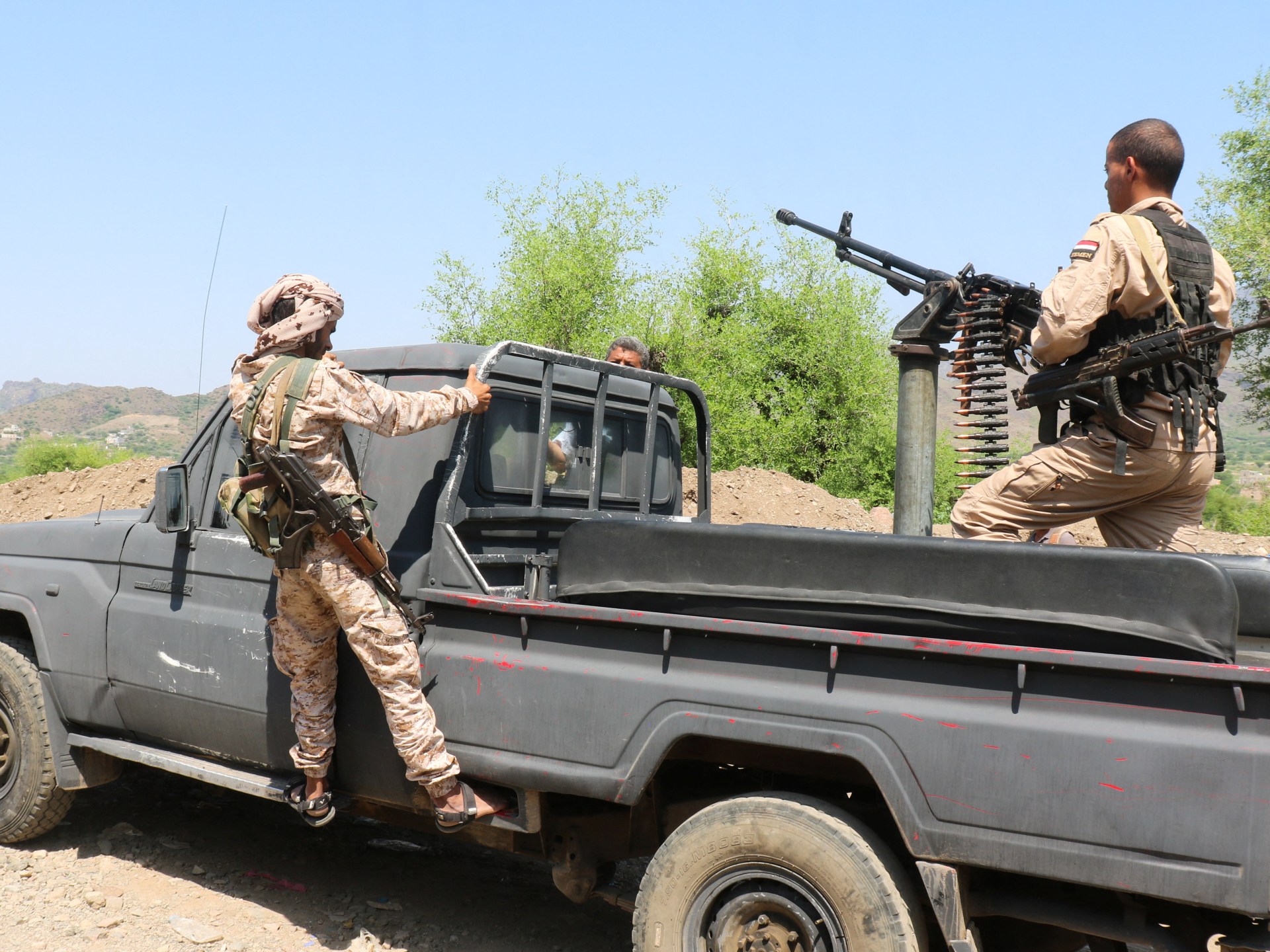
Simultaneously, on the ground within Yemen, the Saudi-backed government army reported inflicting heavy personnel and material losses on Houthi units in the contested southwestern governorate of Taiz. The convergence of domestic military offensives and long-range infrastructural targeting demonstrates a coordinated intensification of hostilities. This dynamic complicates fragile behind-the-scenes diplomatic efforts and shatters localized lulls in combat, returning the broader theater to a state of high alert.
Global Trade & Economic Ripples
International commodity markets reacted swiftly to the unfolding security developments, with energy traders incorporating heightened risk premiums into brent crude benchmarks. Although physical oil supplies have not suffered immediate disruption, the proximity of these kinetic events to key shipping lanes and refining installations along the Red Sea corridor has rattled global logistics firms. Insurers and maritime operators are reassessing transit protocols through the Bab el-Mandeb strait, a crucial bottleneck through which a significant portion of Europe-bound energy and manufactured goods must pass.
Beyond immediate crude pricing, the threat to domestic power generation facilities within the Kingdom introduces investor anxiety regarding regional industrial stability. Supply chains dependent on uninterrupted Middle Eastern energy production and petrochemical output are closely monitoring the situation. Any sustained campaign against electrical grids or desalination plants carries the potential to disrupt broader commercial operations, driving up operational expenditures for multinational corporations reliant on Gulf energy supplies.
Related Intelligence: Houthi Drone Attack on Madina Power Station Sparks Regional Anxiety
International Reactions & Diplomatic Stances
Multilateral institutions and foreign ministries moved quickly to address the deteriorating security climate. United Nations special envoys reiterated urgent calls for an immediate cessation of hostilities, emphasizing that attacks on civilian and energy infrastructure constitute a direct violation of international humanitarian law and undermine ongoing peace negotiations. Western capitals issued coordinated statements condemning the cross-border strikes while reaffirming their commitment to the territorial defense of regional partners.
Market analysts and geopolitical risk consultancies noted that the latest escalation threatens to derail tentative diplomatic openings forged between regional powers over the past year. Economic observers cautioned that prolonged instability would likely compel international financial institutions to downgrade growth forecasts for import-dependent economies in the Horn of Africa and South Asia, which remain vulnerable to sudden spikes in global fuel and fertilizer prices.
Strategic Outlook & Future Scenarios
Looking ahead, the trajectory of the conflict hinges on the immediate military responses of the coalition and the diplomatic leverage exerted by international intermediaries. If Houthi forces continue long-range operations against critical infrastructure, coalition commanders are expected to authorize retaliatory air campaigns targeting military command nodes, potentially freezing any prospects for a negotiated settlement in the near term.
Upcoming diplomatic forums and bilateral security consultations will test the resilience of regional detentes. Policymakers face the complex challenge of deterring further infrastructural assaults without triggering a wider conflagration that could permanently sever vital commercial arteries. For global market participants, the immediate outlook dictates a posture of extreme caution, with automated trading algorithms sensitive to any flash headlines emerging from the southern Arabian theater.
Join Our Official WhatsApp Channel
Receive live commodity alerts, policy changes, and commercial intelligence directly on WhatsApp.