
Eastern Libya Parliament Approves Controversial 2019 Maritime Border Pact With Turkiye
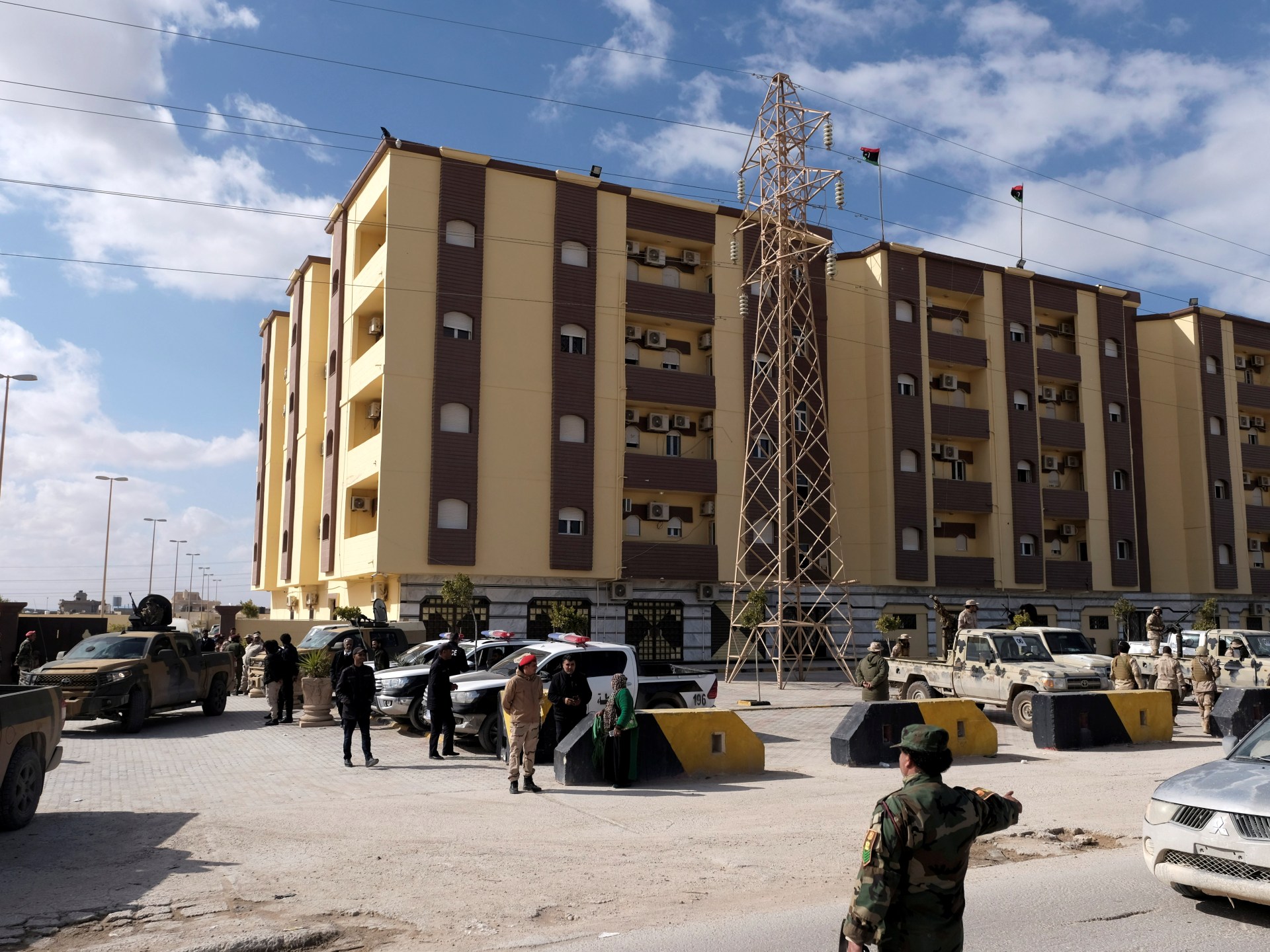
Eastern Libya's parliament has ratified the contested 2019 maritime boundary agreement with Turkiye, reconciling a major rift between rival Libyan factions while escalating regional tensions across the resource-rich Eastern Mediterranean.
Geopolitical & Core Developments
In a landmark geopolitical pivot, eastern Libya's House of Representatives (HoR) has voted to approve the contentious 2019 maritime boundary delimitation agreement signed between Turkiye and the former Tripoli-based Government of National Accord (GNA). The decision formally terminates an entrenched five-year rejection led by parliamentary Speaker Aguila Saleh and military commander Khalifa Haftar, who had previously condemned the accord as an unlawful infringement on Libyan sovereignty and an instrument of Turkish expansionism.
The original memorandum of understanding, signed in November 2019, created an exclusive economic zone (EEZ) corridor spanning from southwest Turkiye to northeast Libya. That framework severed contested maritime claims maintained by Greece and the Republic of Cyprus, effectively asserting Ankara's doctrine of 'Mavi Vatan' (Blue Homeland) across energy-rich Mediterranean shelf areas. By securing parliamentary consent from Benghazi, Turkiye achieves an unprecedented degree of legal and political consensus across Libya's fragmented landscape. The reconciliation follows months of discrete back-channel diplomacy between Turkish intelligence officials and representatives of the Haftar family, signaling an evolving transactional relationship aimed at stabilizing commercial interests and consolidating cross-territorial influence.
Global Trade & Economic Ripples
The ratification carries structural implications for international maritime trade routes, offshore exploration concessions, and regional energy transit infrastructure. With bilateral recognition secured across both western and eastern Libya, Turkish state-owned entity Turkish Petroleum (TPAO) faces fewer domestic legal obstacles to activating deep-sea seismic surveying and exploratory drilling tenders off Libya's northern continental shelf.
This development further complicates the commercial viability of Western-backed alternative energy pathways. The long-debated EastMed natural gas pipeline project, conceived to pipe gas from Israeli, Cypriot, and Egyptian fields to mainland Europe via Crete, cuts directly through the delineated Turkish-Libyan maritime zone. Ankara asserts that any commercial infrastructure passing through these co-ordinates requires sovereign authorization, providing Turkiye significant leverage over southern European energy diversification corridors. For global bulk maritime carriers, container shipping, and tanker routes traversing the central Mediterranean corridor, the overlapping jurisdictions present mounting legal and navigational uncertainties, which may introduce revised risk assessments and elevated maritime insurance premiums for regional transit.
Related Intelligence: Alberta Rejects Separation Referendum Easing Pressure on Canadian Energy Sector
International Reactions & Diplomatic Stances
The parliamentary vote has drawn sharp condemnation from Mediterranean neighbors. In Athens, the Greek Foreign Ministry reiterated that the 2019 memorandum remains fundamentally void, arguing it blatantly infringes upon the continental shelf of Greek islands, including Rhodes and Crete, in direct contravention of the United Nations Convention on the Law of the Sea (UNCLOS). Greek authorities emphasized that political shifts among unelected or transitional bodies in Libya cannot legitimize an inherently invalid pact.
Cairo and Nicosia have expressed similar concerns, viewing the Benghazi pivot as a setback to the trilateral security coordination established to counter regional unilateralism. Egypt, which declared its own unilateral western maritime boundary adjacent to Libya in late 2022, is closely reviewing the legal ramifications on its territorial rights. Meanwhile, Turkish diplomatic channels welcomed the vote, characterizing the decision as a pragmatic alignment of mutual interests that defends sovereign maritime resources against external exclusion.
Strategic Outlook & Future Scenarios
The formal consensus between Benghazi and Tripoli on the Turkish maritime accord establishes a new baseline for Mediterranean statecraft. Moving forward, the immediate point of escalation will center on whether Ankara deploys seismic exploration vessels into disputed blocks near Crete under Libyan authorization, a move that would almost certainly prompt a naval standoff with Greek naval assets.
Moreover, the pact reshapes the internal Libyan political settlement. By ceding ground on the Turkish agreement, eastern authorities likely expect Turkish investments in infrastructure reconstruction, port redevelopment, and potential concessions in the broader energy sector. The European Union faces a delicate diplomatic impasse: balancing its dependence on Libyan hydrocarbon exports and migration containment against its treaty commitments to member states Greece and Cyprus, ensuring the Eastern Mediterranean remains a central theatre of international geopolitical contestation.
Join Our Official WhatsApp Channel
Receive live commodity alerts, policy changes, and commercial intelligence directly on WhatsApp.