
Diplomatic Tensions Flare Following Press Conference Clash In Dublin
An Israeli reporter's contentious questioning at an Ireland football news conference abruptly halted proceedings, underscoring widening geopolitical fault lines impacting international athletics and diplomacy.
Geopolitical & Core Developments
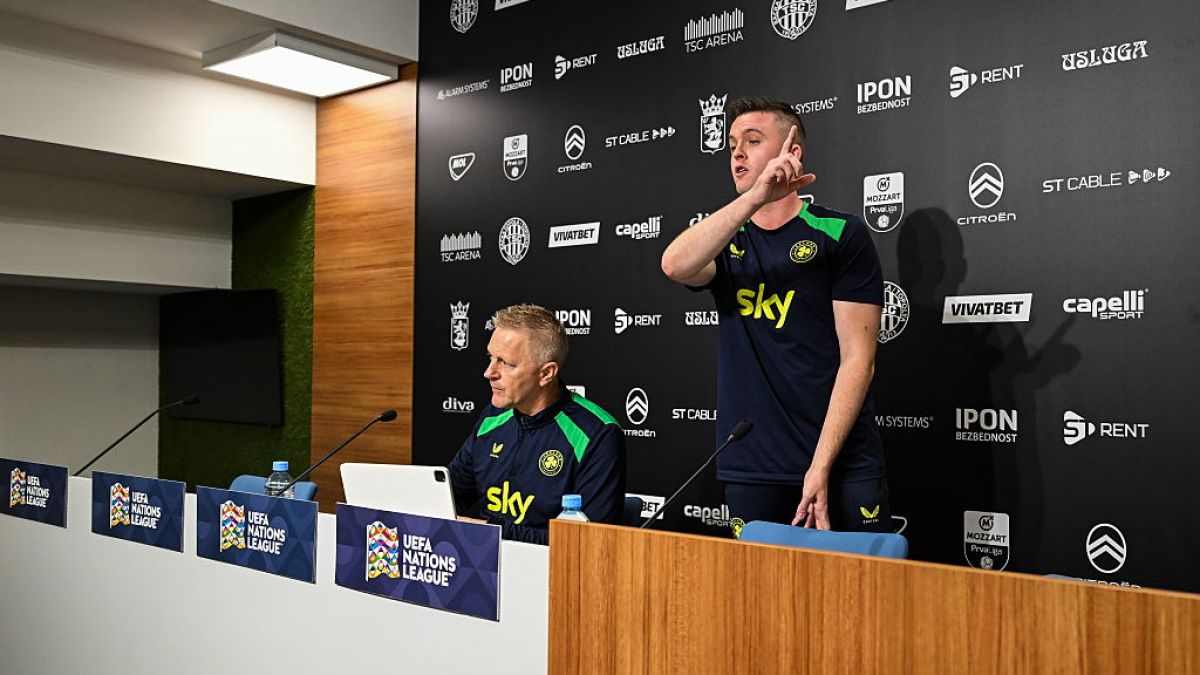
The abrupt termination of the Republic of Ireland national football team's press conference following an aggressive line of questioning by an Israeli journalist underscores how deeply geopolitical frictions have permeated international sports. The incident, which took place ahead of an international fixture, saw the reporter press newly appointed Ireland coach Heimir Hallgrimsson on volatile regional security matters, specifically invoking the Flydubai attack and leveling unverified accusations of racist abuse against Irish players.
This confrontation is not an isolated cultural clash; rather, it reflects a broader pattern where international sports arenas serve as proxies for intense geopolitical grievances. State actors and national delegations increasingly find themselves navigating diplomatic minefields where sports journalism intersects with state-level propaganda and wartime narratives. The immediate suspension of the media briefing highlights the extreme sensitivity surrounding diplomatic discourse involving Middle Eastern conflicts within European public spheres.
Global Trade & Economic Ripples
While sporting events themselves do not directly dictate macroeconomic trends, diplomatic friction of this nature carries tangible repercussions for the broader commercial ecosystem, particularly concerning corporate sponsorship, tourism revenue, and brand equity for multinational partners. Major global brands and airline carriers—such as Flydubai, whose operational security was invoked during the exchange—face heightened reputational scrutiny when entangled in high-profile political controversies.
Furthermore, escalating diplomatic strains between European nations and Middle Eastern states can subtly influence bilateral trade negotiations, aviation corridors, and foreign direct investment. As international commerce relies heavily on stable diplomatic channels, public flare-ups that polarize public opinion contribute to an unpredictable operating environment for firms engaged in cross-border logistics, tourism, and travel sectors.
Related Intelligence: US Midterm Pivot Threatens Global Trade Stability and Energy Markets
International Reactions & Diplomatic Stances
Official responses from sports governing bodies and diplomatic missions have been measured, reflecting an urgent desire to de-escalate tensions before they spill over into official inter-state relations. Football associations across Europe are reassessing media accreditation protocols to prevent press briefings from being hijacked by partisan political agendas. Meanwhile, market analysts and geopolitical risk consultants note that cultural and athletic institutions are increasingly forced to adopt corporate diplomacy frameworks to manage external shocks.
Multilateral organizations and human rights monitors emphasize the necessity of maintaining professional standards within international journalism while safeguarding athletes from politically motivated harassment. The incident has also prompted extensive commentary across global media outlets regarding the boundaries of free speech and professional conduct in high-stakes international media environments.
Strategic Outlook & Future Scenarios
Looking ahead, international sports federations are expected to implement stringent guidelines for press interactions to insulate athletic competitions from external geopolitical turbulence. Upcoming international tournaments and matches involving teams from conflict-affected regions will likely see heightened security measures, restricted press access, and pre-screened questioning protocols.
For global corporations and commercial stakeholders operating in the sports and aviation sectors, the primary strategic imperative remains risk mitigation. As geopolitical polarization deepens, businesses must proactively monitor cross-cultural flashpoints that threaten brand stability and international market access, ensuring robust crisis communication strategies are in place to address sudden reputational shocks.
Join Our Official WhatsApp Channel
Receive live commodity alerts, policy changes, and commercial intelligence directly on WhatsApp.