
Brazil Accuses Washington of Electoral Interference Amid High-Stakes Presidential Clash
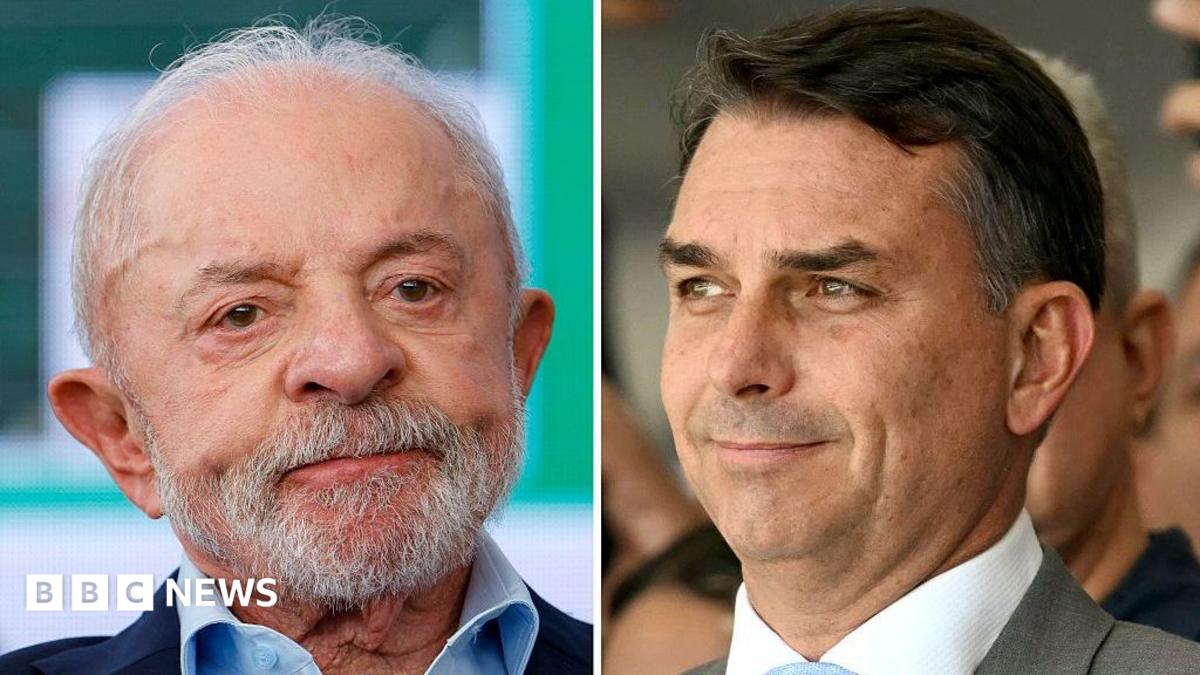
Brazil has leveled accusations of election interference against Washington as fierce political rivals Jair Bolsonaro and Lula da Silva clash over national sovereignty, security, and foreign policy ties.
Geopolitical & Core Developments
The political landscape in Brazil has reached a critical juncture as the nation prepares for a highly polarized presidential election. The campaign has evolved beyond domestic socio-economic issues into a fierce international debate over national sovereignty and foreign alignments. Incumbent President Jair Bolsonaro and former leader Luiz Inacio Lula da Silva are locked in a relentless contest that has drawn intense scrutiny from Western capitals. Recently, tensions escalated significantly when Brazilian officials and political factions raised concerns regarding perceived interventions and commentary from Washington-based diplomats and intelligence officials.
At the heart of the diplomatic friction are concerns over the integrity of Brazil's electronic voting systems and the public questioning of democratic norms by foreign actors. Brasilia has historically maintained a fiercely independent foreign policy doctrine, rooted in non-intervention and multilateral diplomacy. However, the current electoral cycle has seen foreign policy weaponized domestically. Bolsonaro and Lula offer divergent visions for Brazil's place in the world, with the incumbent favoring closer alignment with traditional Western democratic frameworks, while the challenger advocates for strengthened South-South cooperation and a recalibrated relationship with North American powers. This ideological divergence has inadvertently invited external commentary, prompting accusations of improper diplomatic and political meddling from various domestic quarters.
Global Trade & Economic Ripples
As Latin America's largest economy and a powerhouse in global agricultural and energy commodities, the outcome of Brazil's presidential election carries profound implications for international trade and supply chains. Global commodity markets, particularly for soybeans, iron ore, and crude oil, are sensitive to regulatory and environmental policies that may shift depending on the victor of the polls. A transition in leadership could herald significant revisions to Amazon rainforest conservation policies, which directly impact European and North American trade agreements, including the stalled Mercosur-EU trade pact.
Furthermore, currency values and foreign direct investment (FDI) inflows are experiencing heightened volatility as institutional investors assess geopolitical risk premiums. Shipping lanes originating from Brazilian ports, crucial for global food security, remain stable operationally; however, maritime freight insurers and commodity traders are pricing in potential regulatory shifts regarding carbon taxation and environmental compliance. Any sustained friction in bilateral relations between Brasilia and Washington could also complicate bilateral trade negotiations, influencing tariffs, technological cooperation, and strategic mineral supply chains, particularly concerning rare earths and green energy components.
Related Intelligence: British Military Immunity in Kenya Faces Landmark Legal Challenge
International Reactions & Diplomatic Stances
Multilateral organizations and international observers have expressed cautious concern over the escalating rhetoric surrounding Brazil's democratic institutions. The United Nations and the Organization of American States have both emphasized the importance of transparent, peaceful electoral processes free from foreign coercion or domestic subversion. Meanwhile, Western diplomatic corps have maintained a delicate balancing act, publicly affirming support for Brazilian democratic resilience while private financial analysts warn of potential diplomatic fallout depending on post-election outcomes.
Market analysts and geopolitical risk consultancies note that Washington has officially maintained a stance of strict neutrality, denying any coordinated efforts to influence the electoral outcome. Yet, previous statements from United States congressional members and executive branch officials regarding the security of Brazil's electoral infrastructure continue to fuel domestic political narratives. Foreign ministries across Europe and Latin America are monitoring the situation closely, recognizing that Brazil's institutional stability is paramount for regional security and multilateral consensus-building.
Strategic Outlook & Future Scenarios
Looking ahead, the immediate aftermath of the election is expected to test Brazil's institutional framework regardless of which candidate secures victory. A contested result or lingering accusations of foreign interference could trigger prolonged legal challenges and domestic civil unrest, weighing heavily on investor confidence and regional stability. Upcoming international summits, including G20 and regional trade ministerial meetings, will serve as critical early indicators of how the next administration intends to navigate its foreign partnerships.
In the medium term, strategic escalation points will likely center on environmental governance, trade multilateralism, and geopolitical alignment amid intensifying US-China competition. Brazil's ability to maintain strategic autonomy while managing vital commercial relationships with both superpowers will define its economic trajectory through the remainder of the decade. Commodity markets and international stakeholders must prepare for a period of heightened geopolitical recalibration as Brasilia redefines its diplomatic posture on the global stage.
Join Our Official WhatsApp Channel
Receive live commodity alerts, policy changes, and commercial intelligence directly on WhatsApp.