
Brazil 2026 Election Sets Up High-Stakes Clash Over Economic Policy
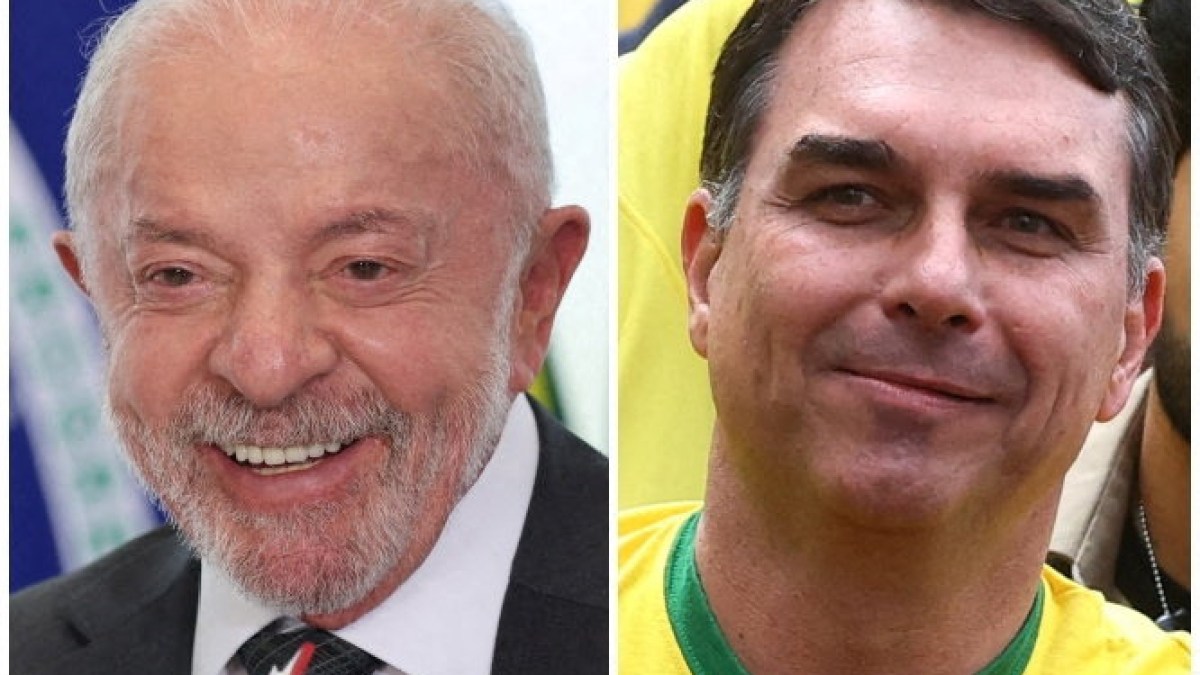
Brazil's looming 2026 presidential election pits incumbent leader Lula da Silva against right-wing challenger Flavio Bolsonaro, triggering intense scrutiny across international commodity and financial markets.
Geopolitical & Core Developments
Brazil is hurtling toward a high-stakes presidential showdown in 2026, as recent polling data indicates an intensely polarized electoral landscape. Incumbent leftist President Luiz Inacio Lula da Silva faces a formidable challenge from right-wing contender Flavio Bolsonaro, carrying the political banner of his father, former President Jair Bolsonaro. The political friction centers on persistent public anxieties regarding escalating urban crime rates, stubborn inflationary pressures, and the broader trajectory of state intervention in Latin America's largest economy.
For Brasilia, the electoral cycle represents a critical referendum on governance models. The incumbent administration continues to champion social welfare expansion and state-led industrial policy, while the conservative opposition rallies its base around fiscal austerity, deregulation, and stringent law-and-order reforms. As campaign machinery mobilizes across the nation's diverse states, state actors and political analysts are closely evaluating how institutional checks and balances will weather the inevitable rhetorical escalation leading up to the ballot box.
Global Trade & Economic Ripples
As a heavyweight exporter of agricultural commodities, critical minerals, and energy resources, Brazil's political trajectory carries immediate consequences for global supply chains. International commodity markets—particularly for soybeans, iron ore, and beef—are pricing in potential regulatory shifts depending on the election outcome. A continuation of leftist governance typically entails stringent environmental oversight and carbon tracking, impacting agricultural expansion in the Amazon basin. Conversely, a right-wing victory could signal a rollback of environmental protections, potentially facilitating higher export volumes while drawing immediate trade penalties or scrutiny from European Union sustainability frameworks.
Furthermore, foreign direct investment (FDI) into Brazilian infrastructure and renewable energy sectors hangs in the balance. Currency markets are experiencing heightened volatility as macroeconomic indicators fluctuate under domestic pressures. International investors are closely examining the Brazilian real, weighing the central bank's monetary policy independence against government spending targets. Any disruption in Brazil's export capacity directly reverberates across international shipping lanes and bilateral trade agreements with key partners, including China and the United States.
Related Intelligence: Brazil Accuses Washington of Electoral Interference Amid High-Stakes Presidential Clash
International Reactions & Diplomatic Stances
Municipal and multilateral observers are maintaining a watchful eye on Brazil's internal political stabilization. Western capitals view the South American powerhouse as an indispensable partner in multilateral diplomacy, climate change mitigation, and regional security frameworks. Financial institutions and credit rating agencies have issued cautious notes, warning that prolonged electoral polarization could weigh on sovereign creditworthiness and slow crucial structural reforms, including tax modernization.
Trading partners in the Mercosur bloc and the European Union are particularly sensitive to shifts in Brasilia's foreign trade posture. While the current administration has sought a balanced, multilateral approach to international relations, conservative factions advocate for bilateral trade alignments that could alter regional integration dynamics. Market analysts emphasize that international capital flows will remain sensitive to political rhetoric surrounding privatization, state-owned enterprises like Petrobras, and sovereign debt sustainability.
Strategic Outlook & Future Scenarios
The trajectory of the 2026 race points toward a protracted, highly contentious campaign characterized by intense ideological polarization. Upcoming international summits will serve as crucial stages for the incumbent administration to project stability and economic competence on the global stage. However, domestic variables—specifically inflation figures, employment data, and public security metrics—will ultimately dictate voter sentiment.
Geopolitical escalation points will likely involve trade disputes tied to environmental compliance, particularly concerning European deforestation regulations and agricultural exports. As the election draws nearer, multinational corporations and foreign governments must prepare for potential policy pivots that could redefine South America's geopolitical alignment and commodity landscape for the remainder of the decade.
Join Our Official WhatsApp Channel
Receive live commodity alerts, policy changes, and commercial intelligence directly on WhatsApp.