
Barcelona Defeats Galatasaray in Istanbul Amid Expanding Sports Diplomacy and Commerce
FC Barcelona secured a 4-1 victory over Galatasaray in Istanbul, highlighting the growing economic integration and diplomatic reach of elite European cross-border sporting fixtures.
Geopolitical & Core Developments
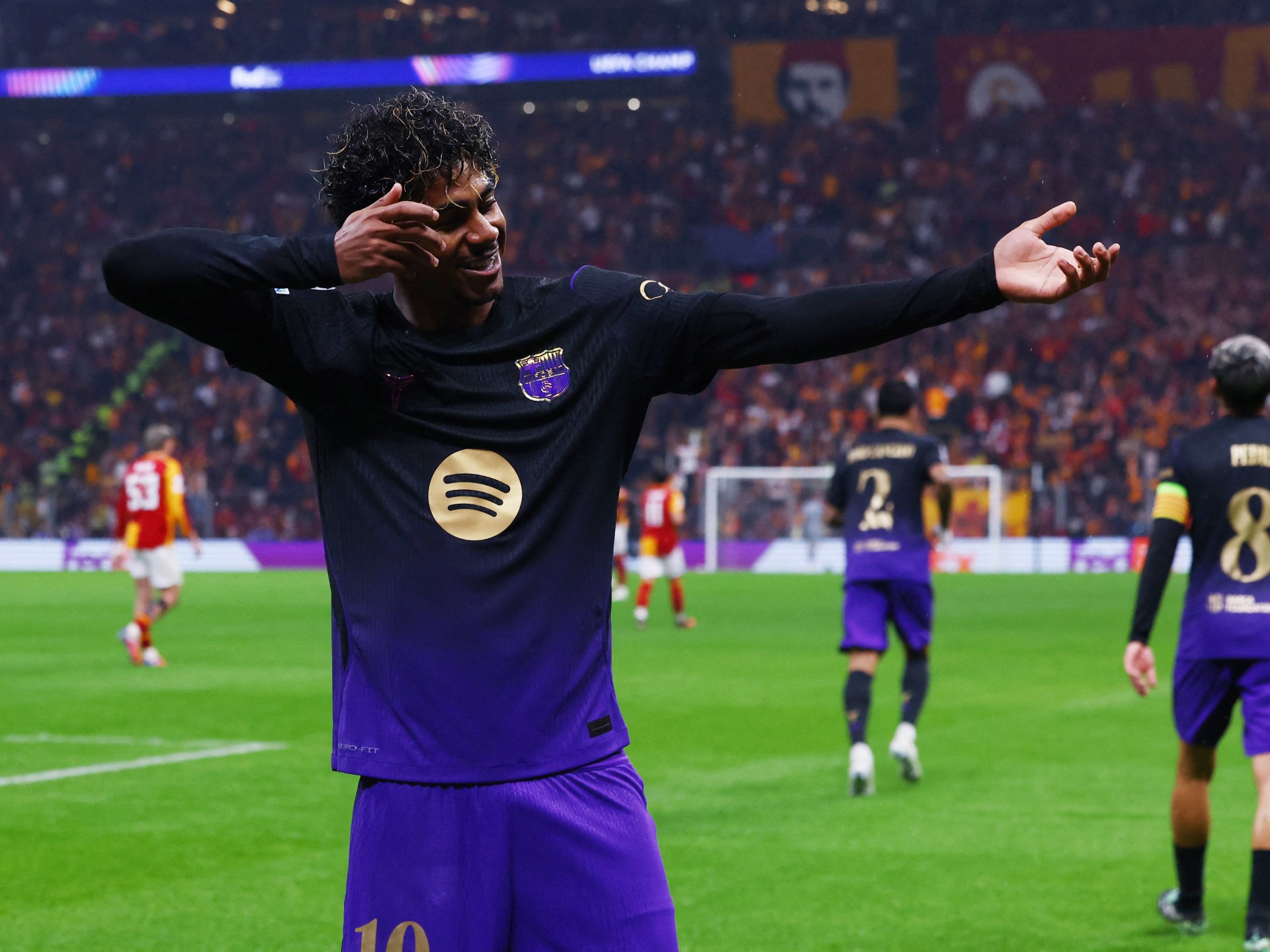
FC Barcelona registered a decisive 4-1 victory over Turkish Super Lig champions Galatasaray at RAMS Park in Istanbul, led by an exceptional performance from Spanish international prodigy Lamine Yamal. The high-profile UEFA Champions League encounter underscored the intersection of elite European athletics, state-level soft power, and the broader integration of cross-Mediterranean cultural diplomacy.
Galatasaray initially established competitive parity before Yamal altered the momentum in the second half, supplying two pivotal assists that dismantled the Turkish defense. The strategic contest in Istanbul brought together thousands of travelling European supporters and local spectators, staging an event of considerable municipal and cross-border visibility. The fixture demonstrated how marquee sporting events serve as crucial platforms for bilateral engagement between Southern European and Mediterranean basin nations, offering visibility that extends far beyond the pitch.
Global Trade & Economic Ripples
While ostensibly an athletic event, fixtures of this caliber generate measurable economic momentum across regional aviation, hospitality, and metropolitan retail ecosystems. Istanbul, functioning as a primary transit hub bridging Europe and Asia, experienced heightened air traffic through Turkish Airlines and regional European carriers catering to incoming delegations, media conglomerates, and international supporters.
Furthermore, the monetization of elite sports content represents a pivotal component of European trade in digital services. The commercial broadcast distribution rights managed by UEFA feed directly into international television syndication and digital streaming contracts, impacting foreign direct investment flows into Mediterranean entertainment and telecommunications infrastructure. For Turkey, hosting premier international franchises provides a showcase for its expanding municipal infrastructure, luxury hospitality portfolios, and consumer retail sectors, providing temporary support to the services trade balance.
Related Intelligence: Arsenal Defeat Lille 3-0 as European Sports Economy Accelerates
International Reactions & Diplomatic Stances
Municipal authorities in Istanbul and representatives from the Turkish Football Federation praised the successful hosting and operational management of the fixture, citing the high security standards and smooth logistics around the venue. The Spanish sports delegation acknowledged the warmth and competitiveness of the Istanbul environment, reflecting broader collaborative initiatives under the Mediterranean sports and culture frameworks.
Market analysts focusing on the sports economy observed that Yamal's performance further solidifies the commercial valuation of young European athletic talent, with significant downstream effects on global brand endorsements, sponsorship spending, and sovereign wealth investment into European sporting assets. Multi-national apparel conglomerates and sports investment funds closely monitor these developments, noting how individual talent drives engagement in emerging consumer markets across Eurasia.
Strategic Outlook & Future Scenarios
Looking forward, the integration of Turkish clubs into elite European competitions remains central to Ankara's cultural diplomacy and tourism revenue generation. Future scenarios indicate increased capital deployment by international sponsors targeting the Turkish consumer demographic, particularly as cross-border sports events continue to attract elevated global television viewership.
As European football governance approaches upcoming structural revisions and commercial rights negotiations, the strategic relevance of bridge markets like Turkey will continue to grow. Bilateral sporting fixtures between Spanish and Turkish institutions will likely serve as templates for future cultural and economic cooperation, reinforcing institutional links between the Iberian Peninsula and the Bosporus.
Join Our Official WhatsApp Channel
Receive live commodity alerts, policy changes, and commercial intelligence directly on WhatsApp.