
Anduril Secures Massive Defense Contract Amid Growing Tech-Military Convergence
Defense tech firm Anduril has announced a multi-billion-dollar manufacturing investment following strategic leadership alignments, highlighting the deepening convergence of private technology and sovereign naval defense.
Geopolitical & Core Developments
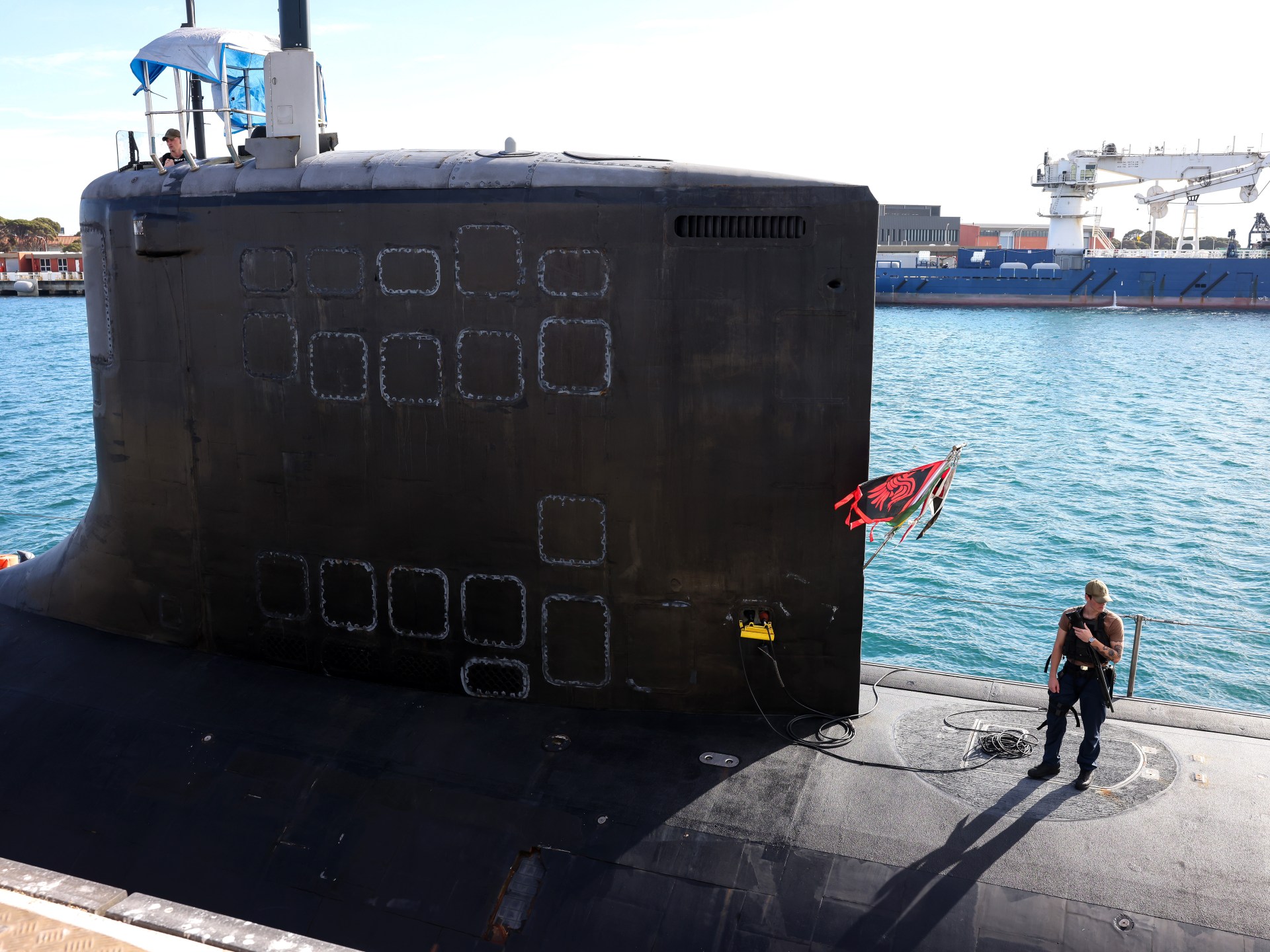
The landscape of modern defense procurement is undergoing a profound structural evolution, highlighted by defense technology firm Anduril Industries securing a landmark $2.9 billion subcontract tied to advanced submarine manufacturing. Simultaneously, the company unveiled an ambitious $3.7 billion capital expenditure plan to develop a state-of-the-art shipyard dedicated to producing critical submarine components. This strategic expansion occurs against the backdrop of intensifying great power competition in the Indo-Pacific, where maritime deterrence, undersea warfare capabilities, and industrial capacity have emerged as paramount national security priorities for Western nations. The timing of the contract award has drawn intense scrutiny from defense analysts, coinciding closely with high-level advisory engagements between defense tech leadership and key figures in the broader technological ecosystem, including Elon Musk. This convergence of Silicon Valley innovation and traditional defense-industrial base manufacturing reflects a concerted push by Washington to bypass legacy bureaucratic procurement hurdles and accelerate the deployment of autonomous systems and advanced hardware.
Global Trade & Economic Ripples
The massive infusion of capital into advanced maritime manufacturing carries profound implications for global supply chains, specialized commodity markets, and industrial logistics. Building modern submarines and autonomous underwater vehicles requires vast quantities of specialized aerospace-grade titanium, high-strength alloys, rare earth elements, and advanced composite materials. Consequently, demand spikes in these critical mineral and metal sectors are expected to exert upward pressure on global commodity pricing. Furthermore, the expansion of domestic shipyard infrastructure necessitates a highly specialized labor force, straining existing technical talent pools and driving up engineering wages across the advanced manufacturing sector. As governments allocate unprecedented budgets toward naval modernization, international trade dynamics in dual-use technologies are experiencing tighter regulatory scrutiny. Export controls, stringent compliance frameworks, and technological protectionism are increasingly fragmenting global supply chains, compelling defense primes to nearshore or friendshore critical component production to mitigate geopolitical vulnerability.
Related Intelligence: Yemeni Offensive Fails to Shift Strategic Balance Amid Global Supply Chain Risks
International Reactions & Diplomatic Stances
The consolidation of the defense-tech industrial complex has elicited mixed reactions from international observers, allied governments, and market analysts. In Washington, defense hawks and procurement reformers have largely lauded the move as a long-overdue modernization of an industrial base that has struggled to meet fleet expansion targets. Conversely, traditional defense contractors have expressed private unease over the rapid ascent of venture-backed technology firms disrupting legacy subcontracting monopolies. Internationally, strategic competitors, particularly Beijing and Moscow, are closely monitoring the integration of commercial artificial intelligence and autonomous systems into Western naval platforms. Multilateral bodies and arms control advocates have voiced growing concern regarding the acceleration of naval arms races in international waters, warning that rapid technological scaling without robust international governance frameworks increases the risk of inadvertent escalation in contested maritime domains such as the South China Sea and the Taiwan Strait.
Strategic Outlook & Future Scenarios
Looking ahead, the trajectory of defense tech investments points toward an increasingly automated, software-defined maritime battlefield. The success of Anduril's shipyard initiative will serve as a bellwether for whether private-capital-backed defense firms can successfully deliver complex hardware on schedule and within budget—a domain where traditional primes have faced persistent challenges. Upcoming defense budgetary sessions in Western capitals will likely prioritize unmanned underwater vessels, distributed lethality concepts, and resilient supply chains over legacy capital-intensive surface ships. However, potential bottlenecks in raw material sourcing, regulatory hurdles regarding foreign technology dependencies, and shifting political landscapes introduce significant execution risks. As geopolitical tensions continue to simmer across strategic chokepoints, the intersection of venture capital, advanced manufacturing, and sovereign defense will remain a defining theme of twenty-first-century global commerce and international relations.
Join Our Official WhatsApp Channel
Receive live commodity alerts, policy changes, and commercial intelligence directly on WhatsApp.