
Afghan Cyclist Wins Asian Games Silver Amid Taliban Repression
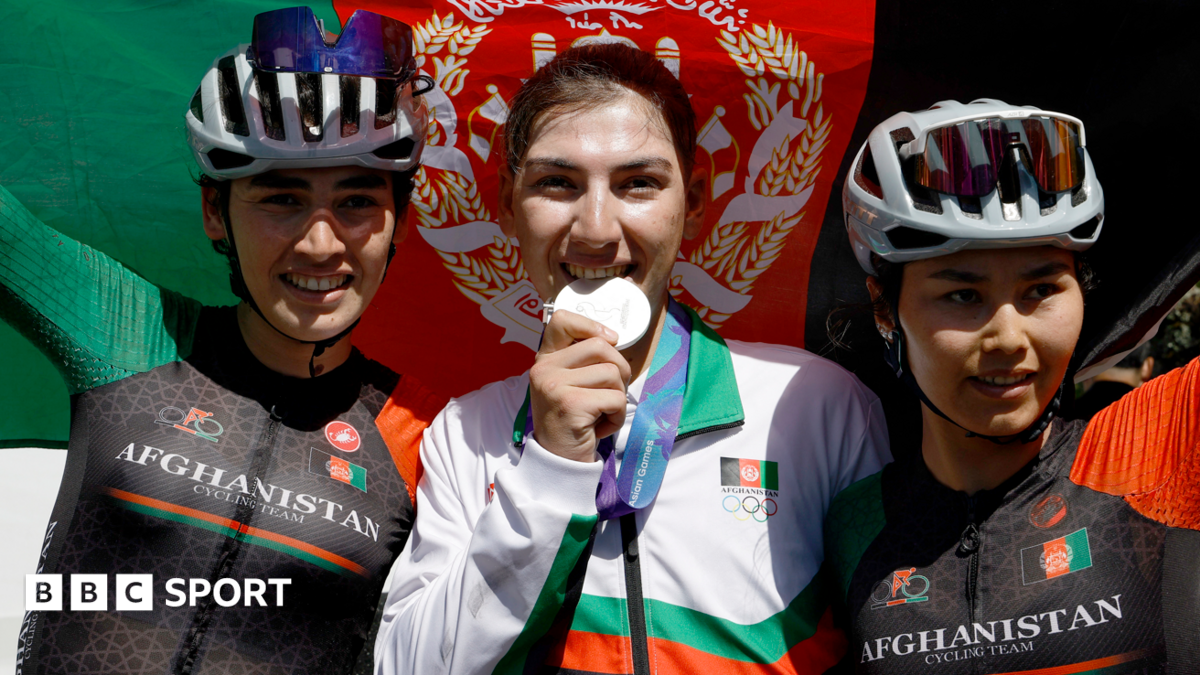
Afghan athlete Fariba Hashimi secured a remarkable silver medal at the Asian Games after fleeing Taliban oppression, symbolizing resilience in the face of severe gender restrictions.
Geopolitical & Core Developments
The silver medal victory of Afghan cyclist Fariba Hashimi at the Asian Games represents far more than a conventional athletic triumph; it stands as a profound testament to human resilience against systemic state-sponsored oppression. Following the resurgence of the Taliban in August 2021, the geopolitical landscape for Afghan women underwent an immediate and catastrophic contraction. Fundamental human rights, including the freedom of movement, education, and employment, were systematically dismantled by the de facto authorities. Within this hostile environment, female athletes faced targeted persecution, forcing many to abandon their disciplines or risk severe retribution.
Hashimi's journey to the podium involved defying extreme state mandates. Prior to escaping her homeland, she routinely disguised herself as a man to navigate public spaces and continue training on her bicycle without attracting violent intervention from Taliban patrols. Her eventual exodus from Afghanistan, facilitated by international sporting coalitions and human rights advocates, mirrored the plight of thousands of displaced citizens seeking sanctuary across borders. Competing under the banner of survival and defiance, Hashimi's performance at the international competition thrust the ongoing humanitarian crisis in Central Asia back into the global consciousness, illustrating how sports can serve as a vital platform for political visibility and resistance against authoritarian regimes.
Global Trade & Economic Ripples
While sporting achievements operate outside direct commercial commodity markets, the broader isolation of Afghanistan under Taliban rule continues to exert significant psychological and logistical pressures on regional stability and cross-border trade corridors. The systemic exclusion of women from the formal economy has cost the Afghan domestic market billions in lost productivity, drastically reducing purchasing power and exacerbating a severe humanitarian emergency characterized by acute food insecurity and currency depreciation.
International sanctions and the freezing of central bank foreign reserves have effectively severed Afghanistan from mainstream global financial networks, disrupting traditional trade routes connecting South Asia to Central Asia. Although regional actors continue pragmatic commercial engagements—particularly concerning energy transit, such as the Turkmenistan-Afghanistan-Pakistan-India natural gas pipeline project, and mineral resource extraction—investor confidence remains severely depressed. The marginalization of the workforce, exemplified by the suppression of female talent across all sectors, guarantees that the nation's economic potential remains stifled, reinforcing a cycle of poverty that dampens broader regional integration and foreign direct investment.
Related Intelligence: South Africa Police Scandal Shakes Security Apparatus and Investor Confidence
International Reactions & Diplomatic Stances
The international community has responded to Hashimi's victory with widespread acclaim, juxtaposed against ongoing condemnation of the Taliban's domestic policies. Multilateral bodies, including the United Nations and the International Olympic Committee, have frequently cited the systematic erasure of women from Afghan public life as a primary barrier to any formal diplomatic recognition of the de facto administration. Western governments maintain a unified stance that normalization of relations is entirely contingent upon the restoration of fundamental rights for women and girls, including access to education and sports.
Human rights organizations and global trade unions have utilized the narrative of exiled Afghan athletes to lobby for stricter enforcement of existing economic restrictions and targeted sanctions against high-ranking Taliban officials. Analysts note that while sports diplomacy offers a powerful medium for highlighting human rights abuses, tangible shifts in Kabul's governance remain elusive. The divergence between regional neighbors engaging in realpolitik economic dialogues and Western nations enforcing strict isolation creates a complex diplomatic matrix, complicating multilateral efforts to address the compounding humanitarian and economic crises within the country.
Strategic Outlook & Future Scenarios
Looking ahead, the trajectory of Afghan representation in international arenas will likely depend on the institutional survival of exiled governing bodies and the continued advocacy of global athletic federations. Upcoming international summits focusing on Central Asian security and humanitarian aid will undoubtedly confront the dilemma of balancing engagement with the Taliban against moral obligations to marginalized populations.
As long as systematic gender apartheid persists within Afghanistan, the nation's integration into the global economy will remain stalled, and its citizenry will continue to seek refuge abroad. Stories like Fariba Hashimi's serve as critical catalysts, ensuring that the plight of the Afghan population remains visible on the geopolitical stage, potentially influencing future policy recalibrations among international stakeholders and regional trade partners alike.
Join Our Official WhatsApp Channel
Receive live commodity alerts, policy changes, and commercial intelligence directly on WhatsApp.