
US and Denmark Sign Historic Arctic Security Pact
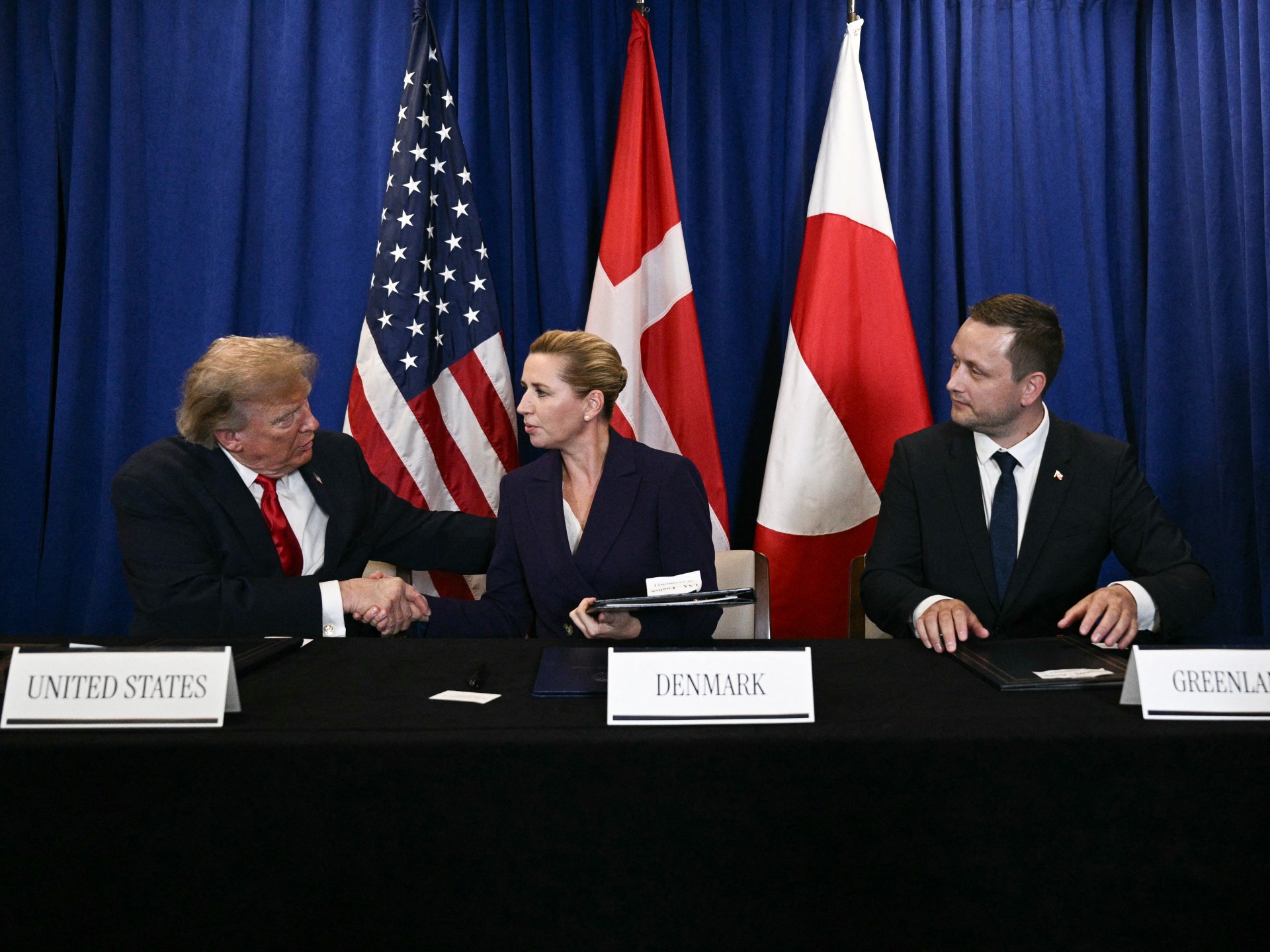
The United States and Denmark have signed a landmark Arctic security agreement regarding Greenland, successfully ending months of diplomatic friction and reassuring NATO allies.
Geopolitical & Core Developments
The United States and Denmark have officially signed a comprehensive bilateral security agreement concerning the strategic territory of Greenland, resolving months of intense diplomatic friction that had rattled transatlantic relations. The accord follows a turbulent period initiated by former US President Donald Trump, whose provocative threats to seize the semi-autonomous Danish territory alarmed European capitals and strained long-standing NATO alliances. The newly minted pact establishes a formal framework for joint defense initiatives, intelligence sharing, and infrastructure development across the vast polar expanse. Diplomats from Washington, Copenhagen, and Nuuk worked behind closed doors for months to craft a treaty that respects Greenlandic sovereignty while addressing mounting American security concerns regarding Russian and Chinese militarization in the High North. State actors involved in the negotiations emphasized that the agreement strikes a delicate balance between collective hemispheric defense and the self-determination rights of the local Greenlandic population, effectively ending a dangerous standoff that threatened the cohesion of Western security architecture.
Global Trade & Economic Ripples
Beyond immediate military implications, the Arctic security pact carries profound economic and commercial consequences for global commodity markets, particularly concerning critical minerals, shipping lanes, and energy exploration. Greenland holds vast, largely untapped reserves of rare earth elements, uranium, and iron ore, which are essential for the global transition toward renewable energy and advanced technology manufacturing. By establishing a stable political environment, the agreement paves the way for secure foreign direct investment and multilateral resource extraction partnerships, reducing Western reliance on single-source supply chains currently dominated by adversary nations. Furthermore, as climate change accelerates the opening of the Transpolar Sea Route and the Northwest Passage, securing the region ensures the safety and predictability of emerging maritime shipping lanes. These shorter routes promise to drastically reduce transit times and fuel costs between North American, European, and Asian ports, directly influencing global logistics, freight pricing, and international trade dynamics.
Related Intelligence: US, Greenland, and Denmark Sign Strategic Arctic Defence Pact
International Reactions & Diplomatic Stances
International response to the signing has been overwhelmingly positive, with leadership from both the North Atlantic Treaty Organization and the European Union welcoming the accord as a triumph of multilateral diplomacy. NATO Secretary General hailed the agreement as a vital reinforcement of the alliance's northern flank, noting that stability in the Arctic is paramount for Euro-Atlantic security. European Commission officials echoed these sentiments, emphasizing that cooperative resource governance prevents zero-sum geopolitical competition in a highly vulnerable ecosystem. Market analysts and geopolitical risk consultancies have similarly lauded the resolution, pointing out that the elimination of immediate territorial threats removes a major overhang of uncertainty that previously weighed on foreign investment sentiment across the Scandinavian and North Atlantic sectors. Official statements from United Nations bodies underscored the importance of maintaining international law and environmental protections within the polar region as commercial activity scales upward.
Strategic Outlook & Future Scenarios
Looking ahead, the implementation of the US-Denmark security framework will set the stage for increased joint military exercises, enhanced radar and satellite surveillance networks, and broader diplomatic engagement across the Arctic Council. Upcoming high-level summits will likely focus on drafting complementary environmental safeguards and indigenous rights protocols to accompany the commercial extraction projects. However, geopolitical escalation points remain, particularly concerning the growing naval presence of non-arctic powers like Beijing, which has labeled itself a near-arctic state, and Moscow's aggressive rebuilding of Soviet-era northern military installations. Kalyar Traders World Desk will continue monitoring how this pact influences bilateral trade agreements, commodity pricing for critical minerals, and the overarching security paradigm governing the world's northernmost frontier.
Join Our Official WhatsApp Channel
Receive live commodity alerts, policy changes, and commercial intelligence directly on WhatsApp.