
Seoul-Kyiv Relations Strain Over North Korean Prisoner Disclosures
Seoul-Kyiv diplomatic tensions escalate after Ukraine reportedly breaches an intelligence non-disclosure agreement concerning captured North Korean soldiers.
Geopolitical & Core Developments
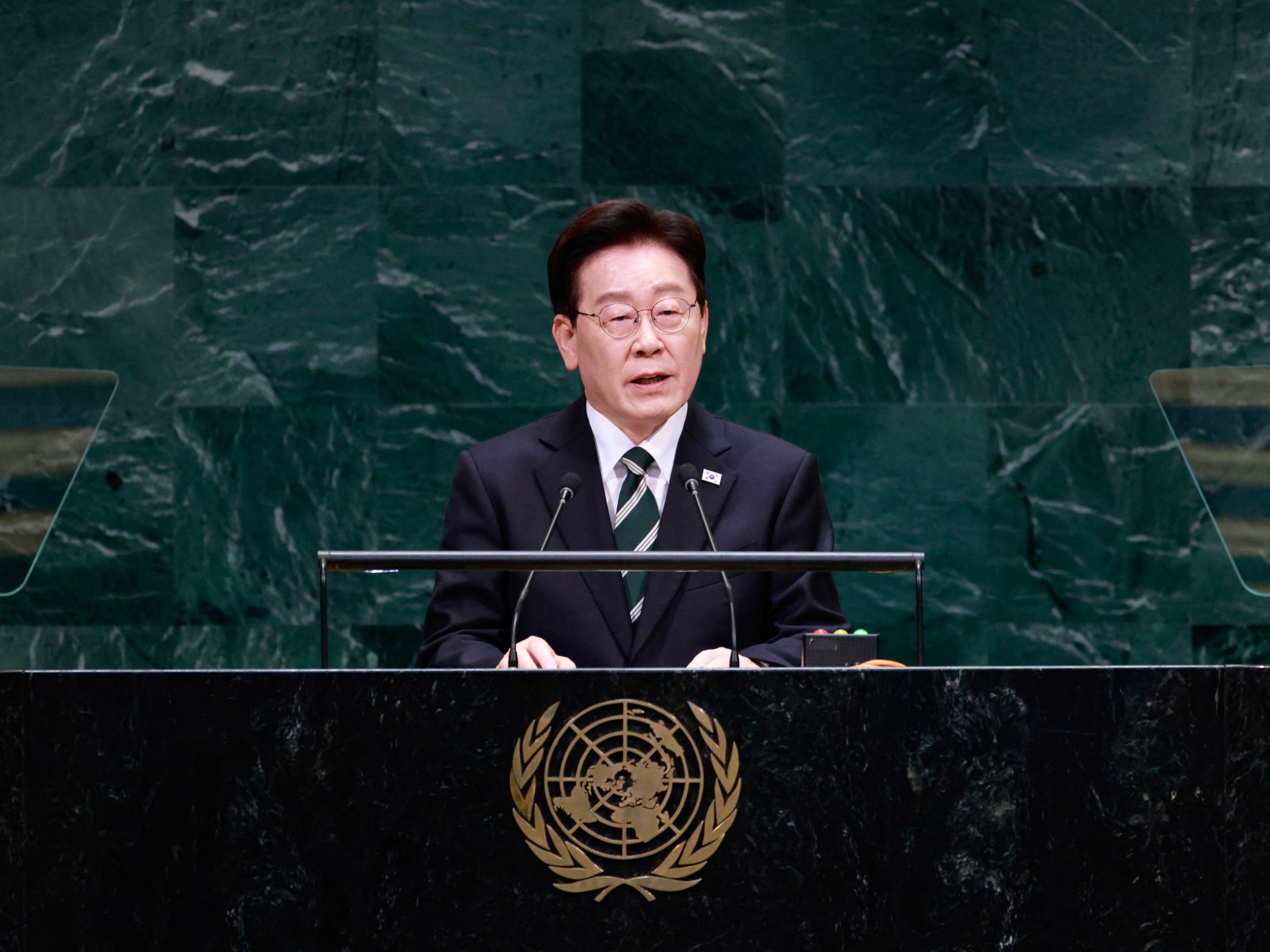
Diplomatic relations between Seoul and Kyiv have hit a significant hurdle following a sharp rebuke from South Korea's presidential office directed at the Ukrainian government. The diplomatic friction centers on the handling and public disclosure of captured North Korean prisoners of war (POWs) currently deployed alongside Russian forces on the Eastern European front. According to senior officials in Seoul, Ukrainian authorities bypassed agreed-upon protocols by leaking details of a sensitive non-disclosure agreement (NDA) regarding the interrogation and status of these captured personnel.
The deployment of North Korean troops into the Ukraine conflict has fundamentally altered the security architecture of the Indo-Pacific and European theaters, binding Asian security directly to the Euro-Atlantic space. South Korea, navigating a delicate policy of providing humanitarian and non-lethal assistance to Ukraine while avoiding direct lethal military exports to a warzone, has sought strict confidentiality to prevent rapid escalation with Pyongyang and Moscow. Kyiv's public handling of the POW transfer framework has undermined this strategic ambiguity, forcing Seoul into an uncomfortable domestic and international defensive posture.
[Global Trade](/news/swiss-neutrality-referendum-tests-global-trade-and-financial-stability) & Economic Ripples
While the immediate dispute appears diplomatic in nature, the secondary economic and commercial implications for global commodity markets and defense supply chains are profound. South Korea represents a critical node in the global industrial economy, serving as a primary exporter of advanced machinery, semiconductors, and increasingly, high-grade defense hardware to NATO-aligned nations filling their depleted arsenals. Heightened friction between Seoul and key European actors risks complicating ongoing negotiations regarding industrial defense co-production and technology transfers.
Furthermore, the deepening alignment between Moscow and Pyongyang—accelerated by North Korea's troop deployment—continues to cast a shadow over maritime shipping lanes in the Sea of Japan and the broader East Asian commercial sphere. Freight rates, regional maritime insurance premiums, and investor sentiment across South Korean equities remain sensitive to any rhetoric signaling an escalation of hostilities on the Korean Peninsula, which serves as a vital logistics artery for global containerized trade.
Related Intelligence: West Bank Escalation Threatens Middle East Stability and Global Supply Chains
International Reactions & Diplomatic Stances
Official responses from multilateral bodies and allied capitals have emphasized the need for unity among democracies supporting Ukraine while acknowledging South Korea's sovereign security concerns. Western intelligence partners have privately expressed concern that public spats over intelligence sharing could deter other Asian partners, such as Japan, from deepening operational cooperation with Kyiv.
Market analysts and geopolitical risk consultancies note that South Korea's conservative administration is under intense pressure from domestic opposition parties to safeguard national security interests and prevent North Korea from acquiring advanced Russian missile and satellite technology in exchange for troop deployments. Consequently, Seoul's willingness to expand its economic footprint in Ukraine's post-war reconstruction may face a temporary cooling period until diplomatic trust is fully restored.
Strategic Outlook & Future Scenarios
Looking ahead, the trajectory of Seoul-Kyiv relations will likely depend on behind-the-scenes damage control led by shared Western allies. Upcoming international summits, including G20 and bilateral security dialogues, will serve as critical venues for ironing out intelligence-sharing protocols. Should the dispute persist, South Korea may adopt a more restrictive stance on indirect military supply chains, slowing the flow of dual-use industrial components to European intermediaries.
Ultimately, the episode highlights the fragility of cross-regional coalitions in an era of fragmented globalization. As geopolitical lines harden, managing sensitive operational disclosures will remain a paramount challenge for governments balancing domestic security imperatives with broader international alliance commitments.
Join Our Official WhatsApp Channel
Receive live commodity alerts, policy changes, and commercial intelligence directly on WhatsApp.