
Seoul Demands Apology From Kyiv Amid Escalating Diplomatic Crisis
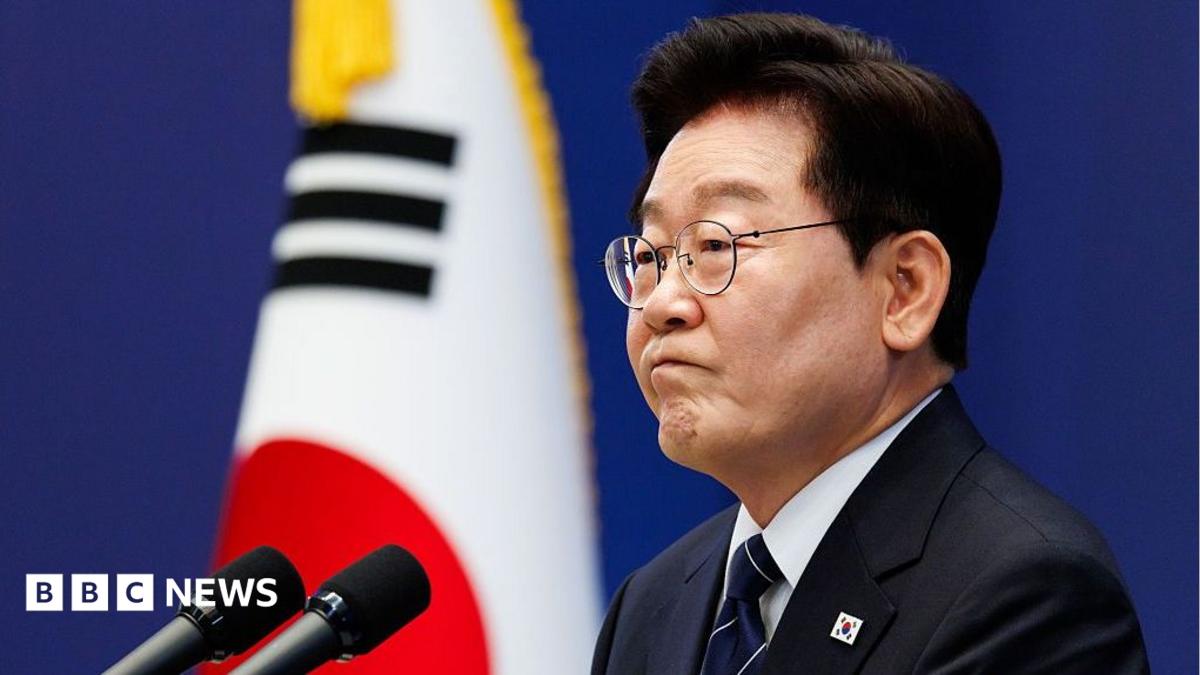
South Korea demands an apology from Kyiv over a worsening prisoner-of-war dispute, with President Lee Jae Myung accusing Ukraine of attempting to provoke a peninsular conflict.
Geopolitical & Core Developments
Diplomatic relations between Seoul and Kyiv have sharply deteriorated following a contentious prisoner-of-war dispute that has drawn international alarm. South Korean President Lee Jae Myung issued a stern ultimatum demanding a formal apology from Ukrainian authorities, warning that inaction would provoke immediate retaliatory measures from Seoul. The controversy erupted after intelligence reports and diplomatic briefings highlighted friction over detained combatants and alleged interference in regional security dynamics. President Lee went further in his public address, accusing the Ukrainian leadership of intentionally attempting to provoke a war on the Korean Peninsula to secure heightened international military aid and diversionary support. This unprecedented rhetoric marks a dramatic pivot in Seoul's foreign policy stance, shifting from cautious diplomatic backing of Kyiv to open hostility and acute strategic distrust.
Global Trade & Economic Ripples
While the diplomatic fallout appears primarily political, international commodity markets and global supply chains are closely monitoring the escalation. South Korea remains a vital anchor in East Asian industrial supply chains, advanced electronics manufacturing, and global shipping logistics. Any sustained diplomatic rupture could impact bilateral trade agreements, defence manufacturing partnerships, and technological exchanges. Furthermore, market analysts note that heightened tensions between major industrial democracies and nations embroiled in the European conflict create unpredictable ripples across global energy markets, currency values, and investor sentiment. Commodity traders are assessing whether Seoul might recalibrate its broader export controls or industrial cooperation frameworks in response to the deepening diplomatic freeze.
Related Intelligence: OpenAI Ousters Reveal Critical Vulnerabilities in Artificial Intelligence Supply Chains
International Reactions & Diplomatic Stances
Global capitals and multilateral institutions have responded with cautious alarm to the escalating war of words between Seoul and Kyiv. Western allies, who have maintained a united front in supporting Ukraine against Russian aggression, find themselves in an uncomfortable diplomatic bind as a key Asian partner openly clashes with Kyiv. United Nations officials have urged both governments to exercise maximum restraint and pursue bilateral dialogue to resolve underlying grievances. Meanwhile, regional actors in East Asia are closely analyzing the fallout, recognizing that the breakdown in trust between Seoul and Kyiv could permanently alter diplomatic alignments, defense intelligence-sharing protocols, and multilateral coalition-building efforts.
Strategic Outlook & Future Scenarios
The trajectory of the Seoul-Kyiv diplomatic crisis hinges on whether Ukrainian authorities issue the requested apology or attempt to downplay the accusations. If Kyiv refuses to comply, President Lee's administration is expected to implement restrictive diplomatic measures, potentially scaling back humanitarian assistance, financial cooperation, or intelligence-sharing frameworks. Conversely, intensive back-channel diplomacy by Western intermediaries may broker a compromise to prevent further estrangement between crucial democratic partners. Upcoming international summits will serve as critical litmus tests for whether this bilateral rift can be contained before it inflicts lasting damage on global geopolitical stability and cross-continental alliances.
Join Our Official WhatsApp Channel
Receive live commodity alerts, policy changes, and commercial intelligence directly on WhatsApp.