
Pakistan Kabaddi Dominates Asian Games Opener As Asim Khan Secures MMA Bronze
Pakistan's kabaddi squad cruised past Malaysia 65-22 in their Asian Games opener, while martial artist Asim Khan claimed a historic bronze medal in the -60kg MMA category.
The Core Development
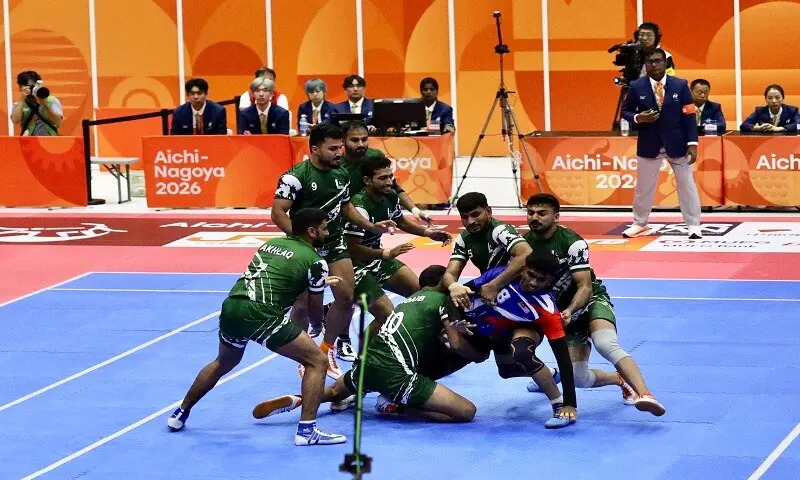
Pakistan launched its campaign at the Asian Games with a commanding performance on Monday, highlighted by a resounding victory on the kabaddi court and a historic podium finish in mixed martial arts. At the Tokai Citizen Gymnasium, the national kabaddi team completely dismantled Malaysia with a scoreline of 65-22 in their Group B fixture. Displaying superior athleticism, tactical discipline, and coordinated raids, the Pakistani squad raced to a commanding 38-11 lead by half-time.
The momentum continued unabated in the second period as the team added 27 more points while capitalizing on defensive lapses by the Malaysian side, ultimately recording 10 all-out points in a truly dominant display. Building on this momentum, Pakistan prepares to face Nepal on Tuesday following Nepal's 48-59 defeat against Thailand.
Meanwhile, at the Nagoya City Inae Sports Centre, Pakistan secured its first medal of this edition in the modern mixed martial arts event. Asim Khan advanced to the semi-finals of the -60kg category after overcoming Cambodia's Sopanha Pheng in the quarter-final on Sunday. Although his run concluded in the last-four stage following a defeat against Tajikistan's Mirzobek Umarov, Khan had already secured a bronze medal for the nation. In the swimming pool, however, compatriot Hamza Asif faced setbacks, failing to progress from the 50-meter heats.
Commercial & Economic Implications
While sporting triumphs at international multi-sport events primarily project national prestige and soft power, they carry tangible downstream economic implications for sports marketing, corporate sponsorships, and domestic retail industries in Pakistan. Success in high-visibility disciplines such as kabaddi and emerging sports like mixed martial arts alters the commercial landscape for sportswear manufacturers, equipment distributors, and media broadcasting rights holders.
Increased athletic visibility stimulates consumer demand for athletic apparel, gym memberships, and training equipment across urban and semi-urban markets in Pakistan. Furthermore, consistent international representation attracts corporate investment from major consumer brands seeking to leverage sporting success for brand positioning. Retail trade in sporting goods experiences seasonal upt ticks during major international competitions, providing a much-needed revenue stream for domestic small and medium enterprises involved in manufacturing and wholesale distribution of sports gear.
Related Intelligence: Granit Xhaka Investigation Threatens Swiss Diplomatic and Commercial Stability
Stakeholder Perspectives & Market Reactions
Sports administrators, federation officials, and business stakeholders have responded enthusiastically to Pakistan's strong start at the Asian Games. Representatives from sports goods manufacturing hubs in Sialkot noted that international victories reinforce Pakistan's reputation as a premier global manufacturing base for high-quality athletic equipment, fostering greater confidence among international buyers and commercial partners.
Consumer response across digital platforms and urban retail centers has been overwhelmingly positive, reflecting deep public engagement with national athletic achievements. Industry bodies have emphasized that sustained institutional funding, modern training infrastructure, and transparent governance within sports federations are vital to translating raw athletic talent into consistent commercial and competitive success on the international stage.
Forward Outlook & Key Watchpoints
Attention now shifts to the upcoming group fixtures, particularly Pakistan's crucial encounter against Nepal, which will dictate the team's standing in Group B and path toward the medal rounds. Sports analysts and federation coordinators are closely monitoring athlete recovery protocols, tactical adjustments, and performance benchmarks as the tournament progresses.
Long-term policy implementation by sports ministries and private sponsors will remain a critical variable determining whether Pakistan can build sustainable high-performance training pipelines. Stakeholders will be watching for increased budgetary allocations, grassroots development initiatives, and public-private partnerships aimed at modernizing training facilities for disciplines like kabaddi and mixed martial arts to ensure enduring international competitiveness.
Join Our Official WhatsApp Channel
Receive live commodity alerts, policy changes, and commercial intelligence directly on WhatsApp.