
New Delhi Imposes Security Lockdown Ahead of High-Stakes Electoral Protests
New Delhi enforces strict security lockdowns and transport curbs as the Cockroach Janta Party demands the election commissioner's resignation over voter list revisions.
Geopolitical & Core Developments
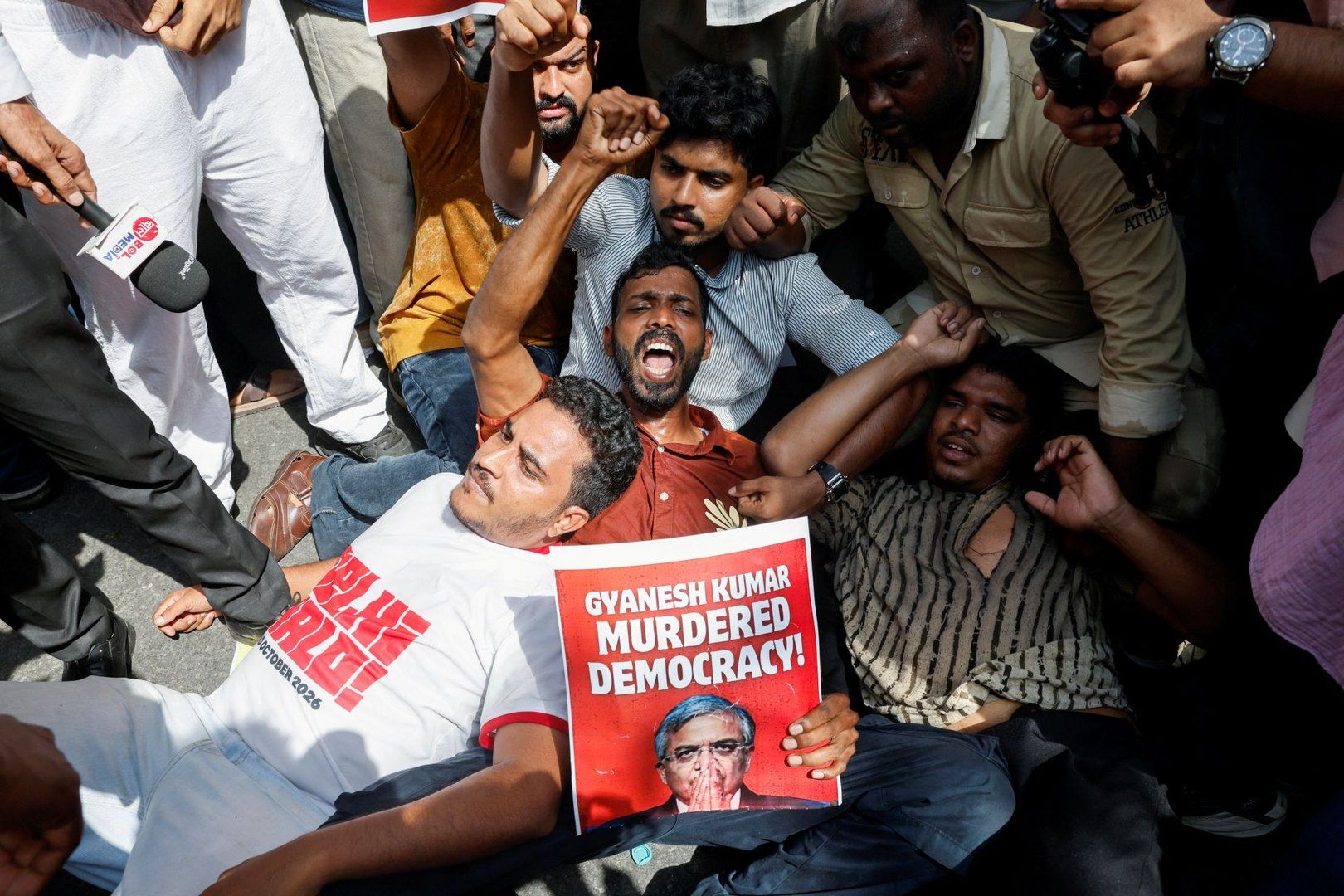
New Delhi has transformed into a fortified zone as central authorities deployed heavy paramilitary and local police contingents, enforcing stringent transport restrictions across the national capital. The security escalation precedes a planned mass mobilization organized by the Cockroach Janta Party, a political faction demanding the immediate resignation of Chief Election Commissioner Gyanesh Kumar. The core grievance stems from sweeping, controversial revisions to official voter registries, which opposition groups argue undermine the integrity of upcoming electoral processes. State security apparatuses have invoked emergency provisions, setting up barricades around key government installations, restricting metro station access, and establishing multi-layered checkpoints to contain potential unrest.
The confrontation highlights deep-seated tensions regarding the autonomy and transparency of India's independent electoral machinery. For a nation historically priding itself on robust democratic traditions, executive friction over institutional oversight mechanisms resonates strongly within international diplomatic circles. Observers note that the state's heavy-handed response reflects growing anxieties among ruling stakeholders regarding public mobilization and civil disobedience in major urban centers. As demonstrators attempt to breach security perimeters, the tactical containment measures deployed by law enforcement underscore a zero-tolerance policy toward unsanctioned political gatherings in the capital.
Global Trade & Economic Ripples
While the immediate crisis is rooted in domestic electoral governance, capital markets and international trade analysts are closely monitoring the situation for broader economic ramifications. India serves as a vital anchor for regional supply chains, foreign direct investment, and consumer demand across South Asia. Prolonged civil unrest, transportation bottlenecks, and security shutdowns in the administrative capital can disrupt commercial operations, delay regulatory approvals, and inject short-term volatility into domestic financial markets. Foreign institutional investors tracking Indian equities and sovereign debt remain sensitive to perceived risks surrounding political stability and regulatory predictability.
Furthermore, disruptions in major metropolitan hubs often ripple outward, affecting logistics corridors and commercial distribution networks essential for both domestic commerce and international trade transactions. Although direct impacts on global commodity pricing, crude oil flows, and maritime shipping lanes remain minimal, multinational corporations operating within the region are reviewing business continuity plans. Ensuring the unhindered movement of goods, corporate personnel, and digital communications is paramount for maintaining investor confidence in India's macroeconomic trajectory as a premier emerging market destination.
Related Intelligence: Hurricane Isaias Strikes Florida Threatening US Energy and Supply Chains
International Reactions & Diplomatic Stances
International bodies, diplomatic missions, and multilateral institutions are closely monitoring developments in New Delhi, emphasizing the universal importance of upholding democratic norms, freedom of assembly, and institutional credibility. While foreign ministries have largely classified the protests as an internal domestic matter, international observers underscore that the perceived independence of electoral management bodies is a critical benchmark for democratic health. Global human rights organizations have urged restraint from both state security forces and political demonstrators, advocating for constructive dialogue rather than coercive containment.
Market analysts and sovereign risk rating agencies note that foreign policy partners value India as a strategic counterweight in the Indo-Pacific region, making stability in New Delhi a matter of international strategic interest. Consequently, foreign capitals are discreetly evaluating whether the current political turbulence will lead to lasting institutional reforms or merely represent a temporary flashpoint in India's vibrant, albeit fractious, political landscape. The ability of the Indian state to balance rigorous public security with the preservation of democratic freedoms will heavily influence international perceptions in the quarters ahead.
Strategic Outlook & Future Scenarios
Looking ahead, the trajectory of the political standoff depends heavily on the government's willingness to engage with opposition grievances regarding electoral transparency. If the Cockroach Janta Party successfully sustains grassroots momentum, pressure on the Election Commission of India could intensify, potentially setting a precedent for future electoral oversight debates. Conversely, stringent law enforcement measures may successfully deter widespread disruption, allowing the administration to maintain strict control over the political narrative.
Upcoming electoral cycles across various states will serve as critical stress tests for the credibility of voter registry systems. Investors and geopolitical strategists will monitor upcoming parliamentary sessions, judicial interventions, and administrative policy adjustments for signs of compromise or escalation. Ultimately, safeguarding both public order and democratic accountability remains the central challenge for Indian policymakers as they navigate this complex domestic crisis.
Join Our Official WhatsApp Channel
Receive live commodity alerts, policy changes, and commercial intelligence directly on WhatsApp.