
Manchester United Crisis Threatens Global Brand Value and Commercial Revenues
Manchester United's worst start to a season threatens its global commercial valuation and investor confidence across international markets.
Geopolitical & Core Developments
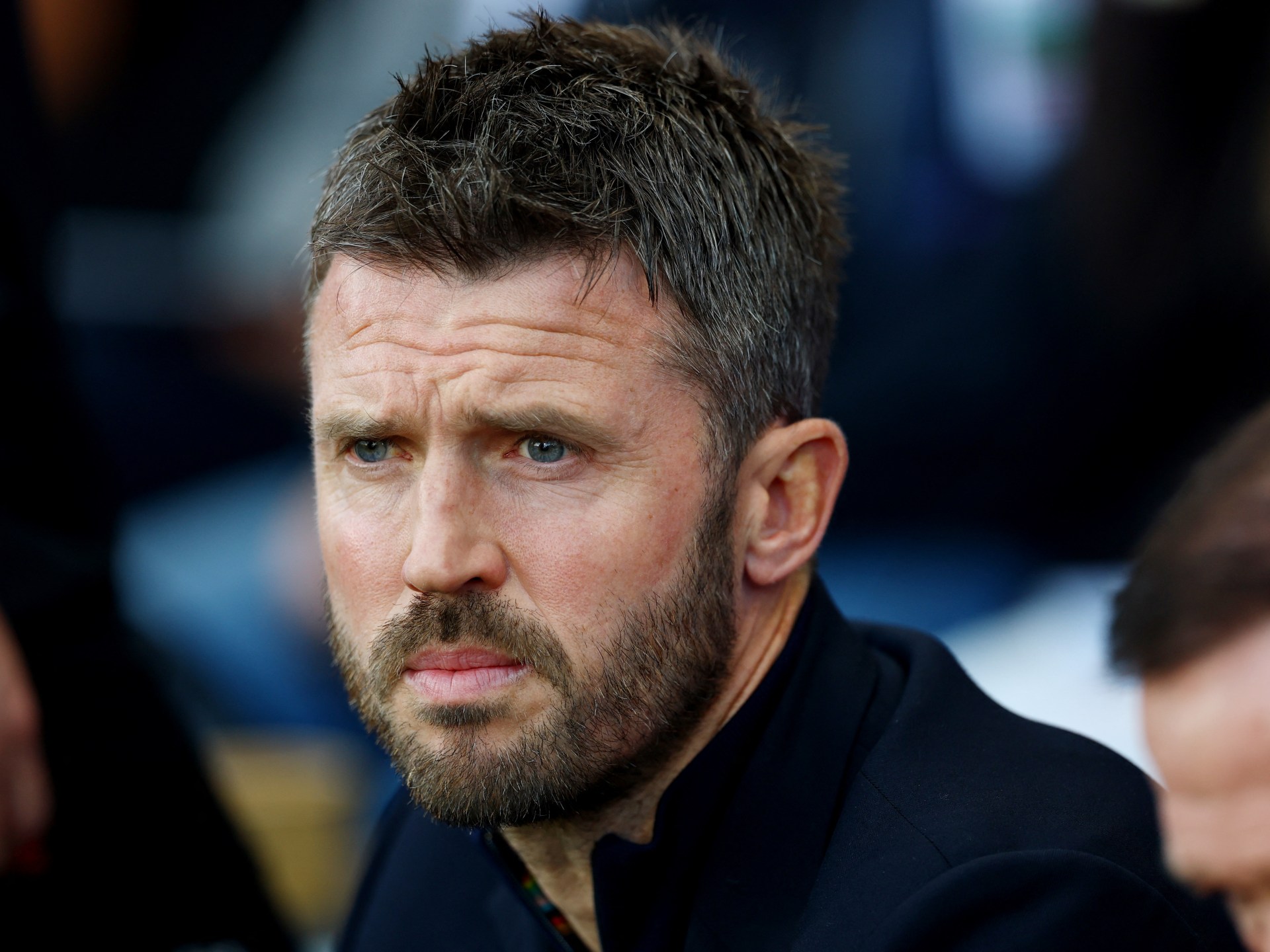
Manchester United Football Club is facing an unprecedented institutional and sporting crisis following a dismal start to the domestic campaign that has equalled the club's lowest points total after five matches. Interim leadership figures, led by senior coaching staff including Michael Carrick, have demanded an immediate and rigorous response from the squad following stinging public criticism regarding the team's lack of competitive intensity. Described by analysts and former players as possessing alarming vulnerabilities, the squad's recent performances have exposed deep-seated structural issues within the organization's player acquisition pipeline and tactical execution.
The timeline of decline traces back through successive managerial changes and massive capital expenditures that failed to yield sustainable sporting dominance. State-backed entities and rival corporate conglomerates dominating modern European football have outpaced United's administrative agility, leaving the historic institution struggling to maintain its competitive edge on the continent. The strategic stakes are extraordinarily high; failure to secure qualification for elite international competitions directly impacts the club's ability to attract world-class talent, further exacerbating the cycle of underperformance and demoralization across the global franchise network.
Global Trade & Economic Ripples
Beyond the stadium gates, the sporting malaise of one of the world's most recognized sports brands carries significant economic implications for international commerce, sporting goods supply chains, and broadcast entertainment revenues. Manchester United operates as a publicly traded commercial powerhouse on the New York Stock Exchange, where sustained on-field failure directly depresses market capitalization and triggers defensive adjustments by institutional investors. Global merchandising contracts, spanning from apparel manufacturing hubs in Southeast Asia to retail distribution networks across the Americas, face diminished consumer demand when the club fails to project a winning image.
Furthermore, international broadcasting rights—negotiated across multiple continents on the premise of premium, high-stakes entertainment—risk valuation downgrades during future cycle renewals if viewer engagement plummets. Shipping and logistics partners managing the massive global distribution of licensed merchandise must recalibrate inventory forecasts, as brand equity erosion translates immediately into sluggish retail turnover in key emerging markets across the Asia-Pacific region and the Middle East.
Related Intelligence: Premier League Tactical Shifts Ripple Across Global Sports Economy
International Reactions & Diplomatic Stances
Financial analysts, sports economists, and global market commentators have expressed mounting concern over the widening chasm between Manchester United's immense commercial valuation and its deteriorating athletic output. Leading economic institutions and sports business consultancies have issued advisory notes highlighting the vulnerability of traditional football business models that rely heavily on sustained tournament success and international fan monetization. Multilateral sports governance bodies and regulatory authorities monitoring financial fair play regulations are also closely observing the club's balance sheet, as spiraling wage bills coupled with declining tournament revenues strain corporate solvency.
Prominent figures within the global sports marketing ecosystem have noted that consumer loyalty in overseas markets is increasingly fickle, with younger demographics shifting allegiance toward ascending clubs backed by sovereign wealth funds or state-of-the-art technological analytics. This shifting diplomatic and commercial landscape leaves legacy institutions like United exposed to hostile capital maneuvers and forced corporate restructurings if operational turnaround strategies fail to materialize swiftly.
Strategic Outlook & Future Scenarios
Looking toward the immediate horizon, the trajectory of Manchester United will depend heavily on emergency operational overhauls, potential executive restructuring, and strategic capital injections during upcoming transfer windows. Upcoming quarterly financial disclosures will serve as a critical barometer for institutional shareholders assessing the durability of the club's commercial revenue streams amidst sustained sporting failure. If leadership fails to engineer a decisive reversal in fortunes, the club risks entering a prolonged structural decline that could permanently alter its standing within the upper echelon of global sports enterprise and international brand hegemony.
Join Our Official WhatsApp Channel
Receive live commodity alerts, policy changes, and commercial intelligence directly on WhatsApp.