
Jinnah Peoples Train Derailment Exposes Balochistan Rail Infrastructure Crisis
The derailment of the Jinnah Peoples Train near Kuchlak highlights mounting infrastructure vulnerabilities across Balochistan's railway network, sparking a dispute between railway authorities and local police over track safety standards.
The Core Development
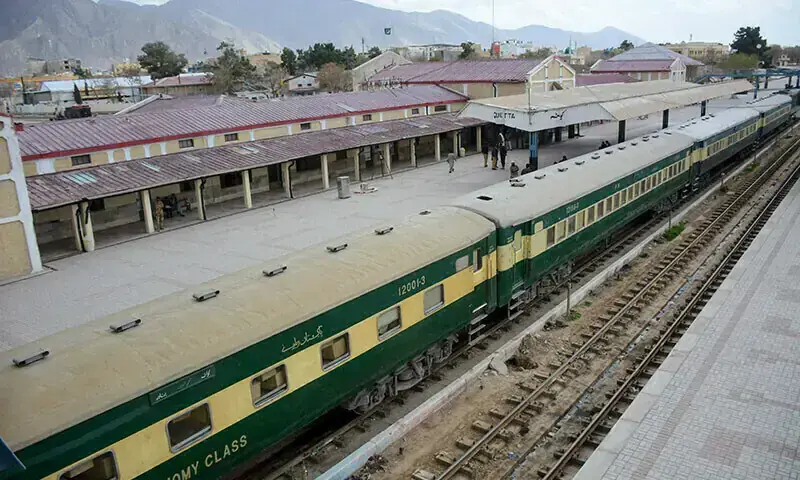
On Sunday, operations of the newly inaugurated Jinnah Peoples Train faced an abrupt disruption when engine No. 5120 derailed on Line No. 3 near the Kuchlak Railway Station in Balochistan. The incident occurred during routine shunting operations as the locomotive was reversing in preparation for its scheduled transit toward Quetta and onward to Sariab.
Initial reports from Pakistan Railways confirmed that no casualties or injuries were sustained among passengers, averting what could have been a major disaster. Railway authorities acted swiftly to mitigate transit delays, deploying a replacement engine that allowed the train to resume its journey to Sariab shortly after the mishap.
However, the immediate aftermath has exposed a sharp institutional contradiction regarding the underlying cause of the derailment. Railway officials initially pointed toward criminal activity, alleging the theft of a critical fishplate—a metal bar used to join rails—as the primary trigger for the track failure, adding that a formal inquiry has been initiated. In stark contrast, Kuchlak police rejected the sabotage hypothesis, publicly attributing the accident to severely deteriorated track infrastructure where maintenance crews had recently been conducting substandard repairs.
Commercial & Economic Implications
While the physical damage was limited to a single locomotive and brief scheduling delays, the Kuchlak derailment carries broader economic ramifications for Balochistan's fragile commercial supply chains. Reliable rail connectivity is vital for moving bulk commodities, agricultural produce, and retail goods between Quetta, Kuchlak, and surrounding commercial hubs at economical freight rates.
Frequent disruptions on provincial rail lines disproportionately burden wholesale distributors and retail traders who rely on predictable transport schedules to maintain stable inventory levels. Unreliable rail transit often forces merchants to shift toward expensive road freight, driving up logistics costs that ultimately cascade down to consumers in the form of higher retail prices and localized inflationary pressures.
Furthermore, investor confidence in regional infrastructure modernization projects, such as the Jinnah Peoples Train initiative, depends heavily on dependable execution and asset security. Repeated operational setbacks threaten to undermine the commercial viability of public transport ventures designed to ease the financial burden on commuters and traders alike.
Related Intelligence: Middle East Escalation Threatens Global Supply Chains and Energy Markets
Stakeholder Perspectives & Market Reactions
Business councils, local trade associations, and commuter advocacy groups have expressed mounting concern over the recurring vulnerabilities plaguing the provincial transport grid. Industry stakeholders argue that shifting blame between law enforcement agencies and railway administration reflects a systemic failure in accountability and routine safety audits.
Legal experts and transport analysts note that conflicting official narratives complicate insurance claims, liability assessments, and infrastructural funding allocations. Public response has been increasingly critical, with civic bodies demanding transparent third-party engineering audits of all newly commissioned passenger and freight routes across Balochistan to prevent catastrophic failures.
Forward Outlook & Key Watchpoints
As Pakistan Railways initiates a formal departmental inquiry into the Kuchlak derailment, industry observers will closely monitor the findings to determine whether infrastructure neglect or security lapses caused the accident. Key watchpoints include the implementation of rigorous track maintenance protocols, the reinforcement of corridor security against hardware theft, and the allocation of emergency capital expenditures to upgrade aging British-era rail assets across Balochistan.
Join Our Official WhatsApp Channel
Receive live commodity alerts, policy changes, and commercial intelligence directly on WhatsApp.