
Israel Marks Three Years Since October 7 Amid Escalating Regional Crisis
Israel marks the third anniversary of the October 7 attacks as the resulting regional conflict continues to exert profound pressure on global trade, energy markets, and international diplomacy.
Geopolitical & Core Developments
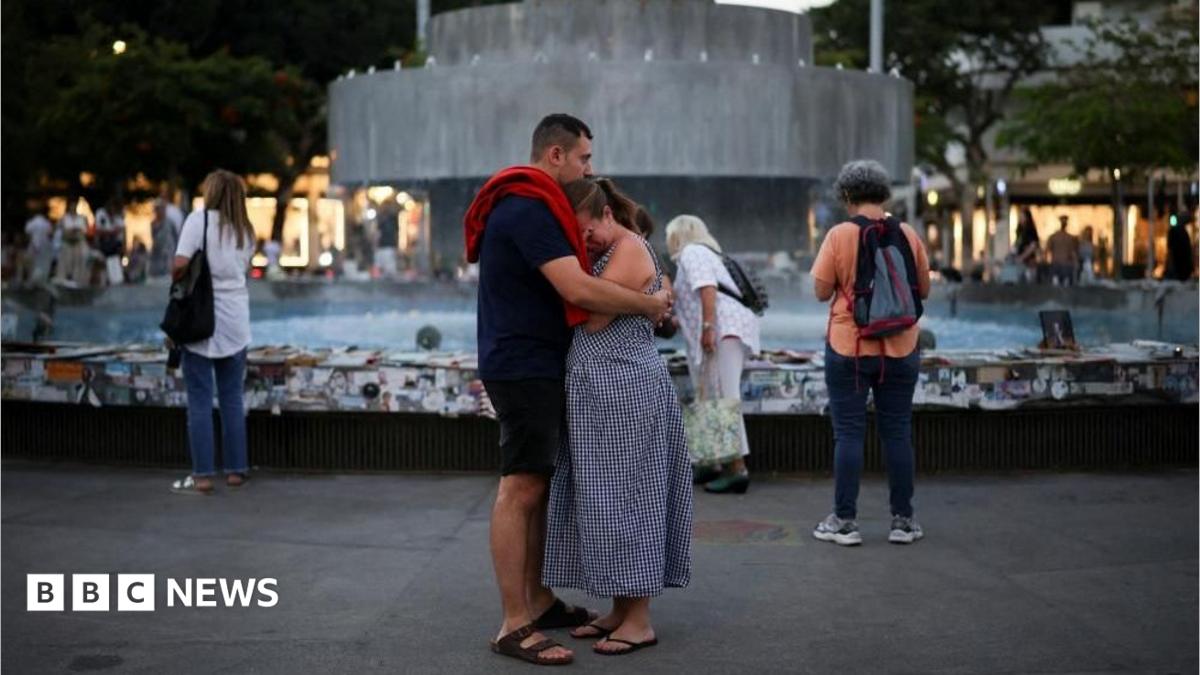
Israel observed solemn memorial events marking the third anniversary of the October 7, 2022, Hamas-led incursions that triggered the devastating and protracted Gaza war. The historic breach of security three years ago fundamentally reshaped the geopolitical architecture of the Middle East, transforming localized territorial disputes into a multi-front regional conflagration involving state actors and powerful non-state militias. Official ceremonies across Israel honored the victims of the initial assault and the subsequent military campaigns, reflecting a nation still deeply traumatized and politically polarized.
Over the past three years, the conflict has metastasized beyond the borders of Gaza, drawing in Lebanon-based Hezbollah, regional proxy networks, and direct military exchanges between Israel and Iran. The diplomatic landscape remains deeply fractured, with international peace initiatives repeatedly stalling over fundamental disagreements regarding permanent ceasefires, hostage releases, and the long-term political governance of the Palestinian territories. Strategic stakes remain exceptionally high as defense postures across the Levant and the Gulf stay at maximum alert, preventing any immediate return to pre-2022 security paradigms.
Global Trade & Economic Ripples
The enduring hostilities in the Middle East continue to send severe shockwaves through global commodity markets, energy supply chains, and international maritime logistics. As a critical artery for global commerce, the region's instability—particularly the persistent security threats to commercial shipping in the Red Sea and the Bab el-Mandeb strait—has forced major container lines to reroute vessels around the Cape of Good Hope. This mandatory detour has systematically inflated transit times, escalated freight rates, and added persistent inflationary pressures to international supply chains.
In global energy markets, crude oil benchmarks have experienced chronic volatility, driven by trader anxiety over potential disruptions to production and transit through the Strait of Hormuz. While global output has largely adapted to geopolitical risk premiums, energy importers face sustained price uncertainty. Furthermore, secondary impacts on agricultural commodities, fertilizer inputs, and industrial manufacturing components continue to challenge central banks striving to anchor inflation expectations in major economies across North America, Europe, and Asia.
Related Intelligence: FCC Warning Highlights AI Robocall Risks for Global Markets
International Reactions & Diplomatic Stances
International bodies and major global powers have used the somber anniversary to reiterate divergent stances on the trajectory of the conflict. The United Nations has repeatedly emphasized the catastrophic humanitarian toll in Gaza and the urgent necessity of unhindered aid delivery, while also condemning ongoing security threats faced by Israeli civilian populations. Western governments maintain firm support for Israel's security while concurrently intensifying diplomatic pressure to secure a sustainable ceasefire and initiate a credible pathway toward a two-state solution.
Conversely, emerging market economies and multilateral coalitions have voiced mounting frustration over the perceived paralysis of international law enforcement and diplomatic frameworks. Market analysts note that institutional investors are increasingly pricing in permanent geopolitical friction, factoring long-term Middle Eastern instability into corporate risk assessments, sovereign debt ratings, and foreign direct investment strategies across the broader Mediterranean and Gulf regions.
Strategic Outlook & Future Scenarios
Looking ahead, the trajectory of the Middle East remains inextricably linked to upcoming diplomatic summits, potential sanctions regimes, and the risk of further military escalation. The prospect of comprehensive normalization agreements between Israel and key Arab states remains frozen, replaced instead by tactical realignments and defensive security pacts. Economic forecasters warn that prolonged hostilities will continue to depress regional growth, accelerate defense spending at the expense of infrastructure investment, and keep global logistics in a state of permanent adaptation.
As the international community navigates this protracted crisis, policymakers are forced to confront the reality that the post-October 7 economic and geopolitical order requires a fundamental overhaul of supply chain resilience, energy diversification, and crisis management protocols. Without a breakthrough in political diplomacy, the commercial and strategic costs of the ongoing stalemate will continue to compound globally.
Join Our Official WhatsApp Channel
Receive live commodity alerts, policy changes, and commercial intelligence directly on WhatsApp.