
English Premier League Surges 20 Percent Among Young US Viewers
Nielsen Sports data reveals a 20 percent surge in English Premier League viewership among young Americans following the World Cup, accelerating transatlantic sports media integration.
Geopolitical & Core Developments
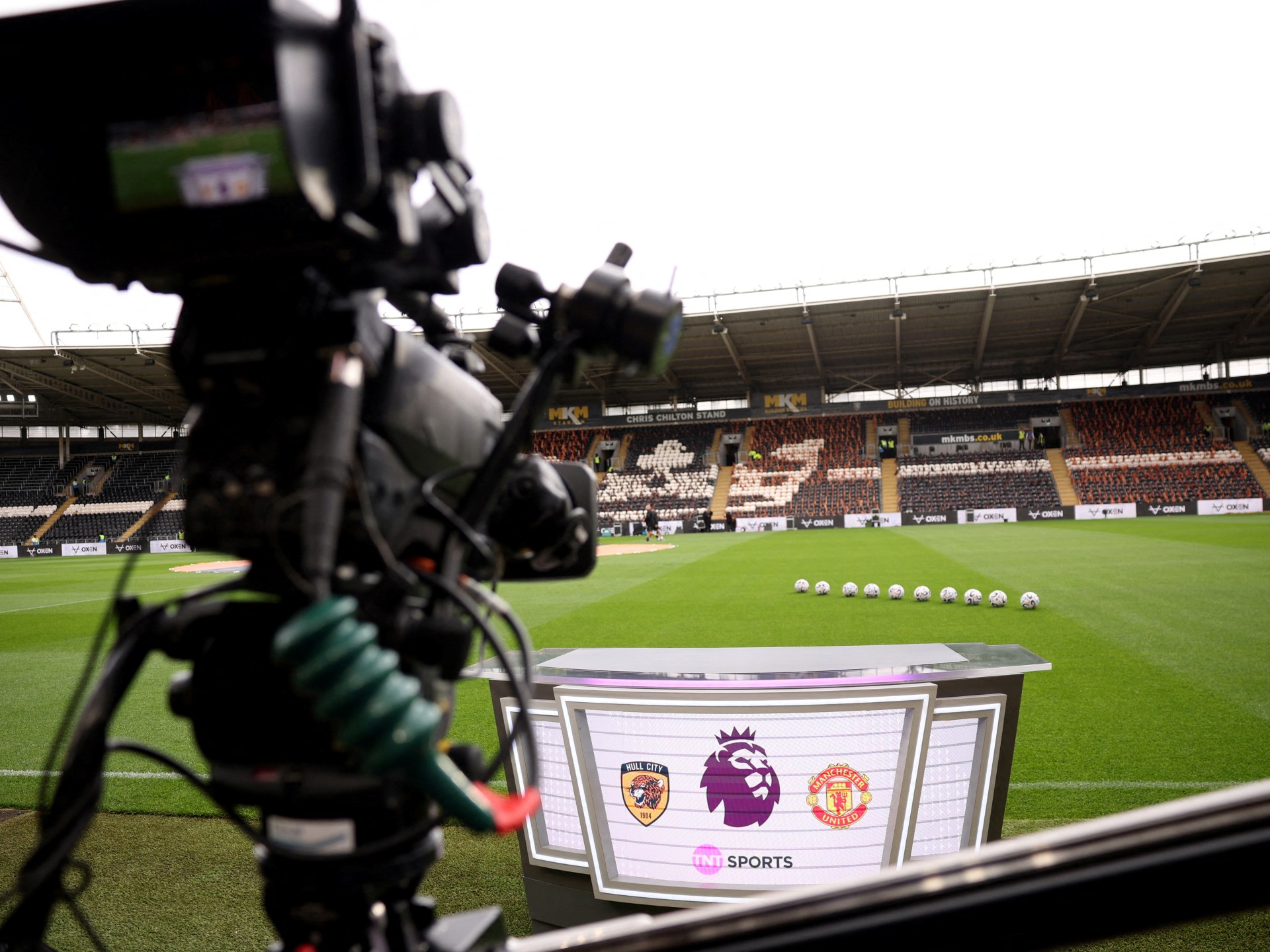
The landscape of transatlantic cultural and commercial exchange has undergone a notable shift, driven by unprecedented growth in sports media consumption. According to comprehensive Nielsen Sports metrics released this week, English Premier League (EPL) television and digital viewership across the United States has expanded by 20 percent among demographics aged 18 to 34. This acceleration directly follows the heightened global visibility generated by the recent FIFA World Cup, which served as a catalyst for broadening soccer's demographic appeal in a traditionally crowded North American sports market. State-side engagement with European footballing institutions has transcended traditional coastal enclaves, penetrating secondary and tertiary US media markets. Major broadcast networks and streaming conglomerates have leveraged sophisticated digital-first distribution strategies, aligning content delivery with the consumption habits of digitally native cohorts. The strategic alignment between UK-based sports administration and US-based media infrastructure highlights a deepening bilateral commercial interdependence within the creative and entertainment industries.
Global Trade & Economic Ripples
The measurable uptick in US viewership carries profound implications for the global sports economy, media rights valuation, and associated commercial supply chains. Media rights holders, corporate sponsors, and merchandise manufacturers are recalibrating their asset allocation models to capitalize on the lucrative North American demographic. As broadcasting rights fees for European football leagues reach historic valuations, the monetization of international audiences has become a primary driver of financial stability for elite clubs. This economic momentum extends far beyond television advertising revenue, stimulating global trade in licensed apparel, digital subscription services, and international tourism. Furthermore, pre-season tour logistics, cross-border corporate sponsorships, and sports technology partnerships represent a rapidly growing sector of transatlantic service trade. The commercial gravity of the EPL in the US market demonstrates how cultural commodities function as high-value economic exports within modern global trade frameworks.
Related Intelligence: Medvedev Disqualification at China Open Shakes Sports Diplomacy
International Reactions & Diplomatic Stances
International market analysts and trade bodies have observed the trend as a barometer of shifting consumer preferences in the world's largest economy. Representatives from multilateral cultural exchange forums note that sports diplomacy and commercial entertainment play a vital role in reinforcing soft power ties between the United Kingdom and the United States. While traditional diplomatic channels focus on macroeconomic policy and security pacts, commercial entities and sports governing bodies are forging robust institutional relationships. Executives within major sports marketing firms emphasize that the structural shift in US media habits is permanent rather than cyclical. Market research groups project that ongoing capital investments by American private equity firms into European football franchises will further accelerate this cross-border commercial integration, prompting regulatory oversight regarding foreign ownership models in domestic sports governance.
Strategic Outlook & Future Scenarios
Looking ahead, the trajectory of European football in the United States points toward deeper market penetration and innovative digital monetization strategies. Upcoming media rights renewal cycles will test the pricing power of leagues operating in an increasingly fragmented streaming environment. Strategic planning committees across prominent EPL clubs are already designing targeted fan-engagement initiatives tailored specifically to the North American timezone and cultural landscape. Potential geopolitical headwinds, including foreign exchange volatility and evolving regulatory frameworks surrounding digital advertising and data privacy, will require agile navigation by multinational broadcasting partners. Ultimately, the successful export of premier sports entertainment to the US market establishes a durable benchmark for global cultural commerce, signaling that transatlantic economic cooperation extends deeply into the digital and experiential economy.
Join Our Official WhatsApp Channel
Receive live commodity alerts, policy changes, and commercial intelligence directly on WhatsApp.